

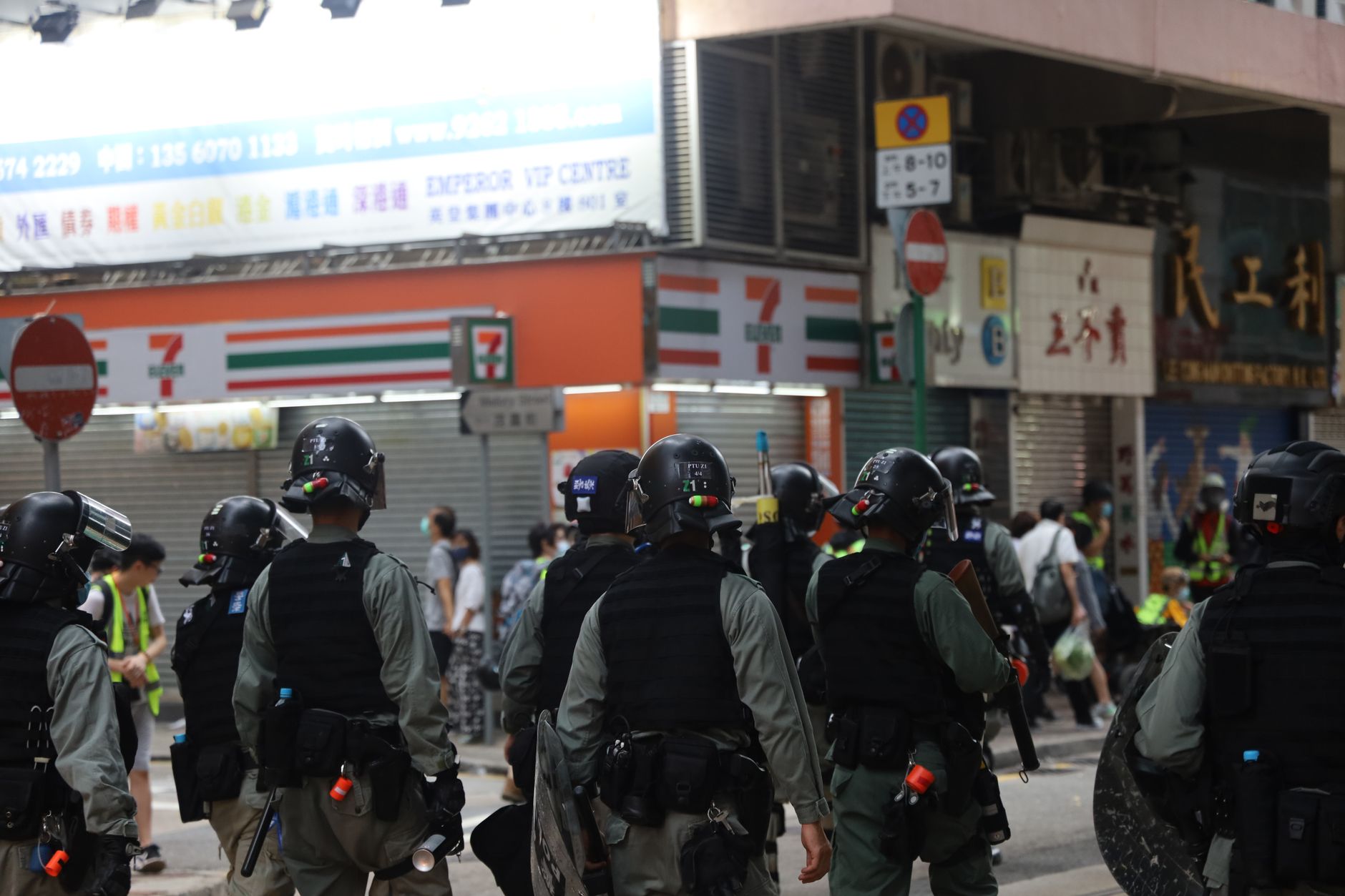
China conflict law is causing significant concern among its neighbors as the country prepares to mobilize all resources in case of conflict. This shift may alter the balance of power in the region.
Overview of China’s New Law
In a significant shift in its legal framework, China has recently enacted a new conflict law aimed at mobilizing all national resources in the event of a conflict. This law is seen as a strategic move to bolster China’s preparedness for potential military engagements, particularly in regions where tensions with neighboring countries are prevalent.
The law outlines several key provisions that could impact not only China but also its neighbors:
- Resource Mobilization: The law allows for the swift allocation of military and civilian resources, enhancing China’s ability to respond to crises rapidly.
- Expanded Authority: Local governments may have increased powers to implement measures that support national defense, which could lead to heightened military activities in border areas.
- Potential for Escalation: The broad scope of the law raises concerns about accidental or intentional escalations in already tense regions.
- Regional Military Dynamics: Neighbors may need to reconsider their own military strategies in response to the perceived threats arising from this new conflict law.
As the implications of this law unfold, many regional observers and analysts are urging neighboring countries to remain vigilant and prepared for any shifts in the balance of power.
Implications for Regional Security
The recent changes to China’s conflict law raise significant concerns regarding regional security. As China positions itself to mobilize all resources in the event of a conflict, neighboring countries may find themselves increasingly at risk. This law not only enhances China’s military capabilities but also establishes a framework that could lead to escalated tensions in the region.
Key implications for regional security include:
- Increased Military Activity: With the ability to mobilize resources rapidly, China may engage in more frequent military exercises near its borders, potentially provoking reactions from neighboring states.
- Pressure on Diplomatic Relations: The implementation of this law could strain diplomatic ties, as countries like Japan, India, and those in Southeast Asia may feel threatened and respond with their own military enhancements.
- Economic Consequences: Heightened tensions can lead to instability in trade and investments, affecting not only regional economies but also global markets.
As the situation develops, it is crucial for neighboring nations to reassess their security strategies in light of the implications of China’s conflict law. The potential for miscalculations or misinterpretations could further complicate an already fragile regional landscape.
How Neighbors Are Responding
As the implications of the new China conflict law unfold, neighboring countries are taking decisive steps to assess and mitigate potential risks. In response, several nations have initiated diplomatic discussions aimed at addressing their concerns regarding China’s expanded military capabilities.
- Japan: The Japanese government is enhancing its defense posture, focusing on bolstering its Self-Defense Forces and increasing cooperation with allied nations, particularly the United States. This includes joint military exercises to improve readiness.
- South Korea: South Korea is closely monitoring China’s military developments and has intensified its engagement with regional partners to ensure collective security. The government is also considering modernizing its own military infrastructure.
- Vietnam: Vietnam has raised its defense spending and is seeking stronger collaboration with other Southeast Asian nations to counterbalance China’s influence in the South China Sea.
- India: India is reinforcing its military presence along the border with China and is exploring deeper strategic alliances with countries such as the United States and Japan.
These proactive measures highlight the growing unease among neighboring countries, reflecting the broader regional implications of the China conflict law and its potential to alter the security landscape in Asia.
Potential Consequences for Trade
The recent changes to China’s conflict law are raising significant concerns among neighboring countries regarding potential disruptions to trade. As China seeks to mobilize all resources in the event of a conflict, the implications for economic interactions could be profound.
Countries that rely heavily on trade with China may face several challenges, including:
- Supply Chain Disruptions: Increased tensions could lead to interruptions in the supply chain, affecting goods ranging from electronics to agricultural products.
- Trade Restrictions: The law may empower China to impose trade barriers or sanctions, putting neighboring economies at risk.
- Market Volatility: Uncertainty surrounding China’s actions could lead to significant fluctuations in global markets, impacting the economic stability of neighboring countries.
- Investment Hesitance: Foreign investors may become wary of investing in countries close to China, fearing that conflict could disrupt their operations.
As the region grapples with the implications of China’s conflict law, the interconnected nature of trade necessitates a careful reassessment of partnerships and strategies moving forward. The potential consequences for trade are significant, and neighboring countries must remain vigilant.
International Reactions
As China implements its new conflict law, international reactions have varied significantly, reflecting a mix of concern and caution among neighboring countries. Many nations are assessing the potential risks associated with this shift in policy, particularly regarding regional stability.
- United States: Officials have expressed alarm over the implications of the law, emphasizing the need for a coordinated response to maintain peace in the Asia-Pacific region.
- Japan: Japan’s government has voiced apprehension, highlighting the importance of dialogue and cooperation to mitigate the risks posed by China’s aggressive stance.
- Australia: Australian leaders are advocating for greater military preparedness, suggesting that the new conflict law could lead to escalated tensions in disputed territories.
- India: India has called for strategic dialogue among regional powers, urging neighboring nations to come together to address the challenges posed by China’s actions.
In summary, the international community is closely monitoring the developments surrounding China’s conflict law, with many neighbors expressing legitimate concerns about the potential for increased conflict and instability in the region.
Future of China’s Military Strategy
The future of China’s military strategy, particularly in light of the new conflict law, raises significant concerns among neighboring countries. As China positions itself to mobilize all resources in the event of a conflict, its military capabilities are expected to expand and evolve rapidly.
Analysts suggest that this shift may lead to several critical developments:
- Increased Military Presence: China may enhance its military operations in the South China Sea and near Taiwan, increasing tensions in these crucial areas.
- Regional Arms Race: Countries in the region could respond by bolstering their own military capabilities, leading to an arms race that might destabilize the balance of power.
- Strategic Alliances: Nations may seek closer alliances with external powers, such as the United States, to counterbalance China’s growing influence.
- Escalation Risks: The new conflict law might embolden aggressive maneuvers, increasing the risk of miscalculations and unintended confrontations between nations.
As the implications of this law unfold, its impact on regional security dynamics will be closely monitored by international observers, highlighting the need for diplomatic engagement to manage potential conflicts.
The implementation of China conflict law raises concerns among neighboring countries regarding potential territorial disputes. As the region navigates these complexities, understanding the implications of China conflict law becomes crucial for maintaining stability.
Photo by Oscar Chan on Pexels