
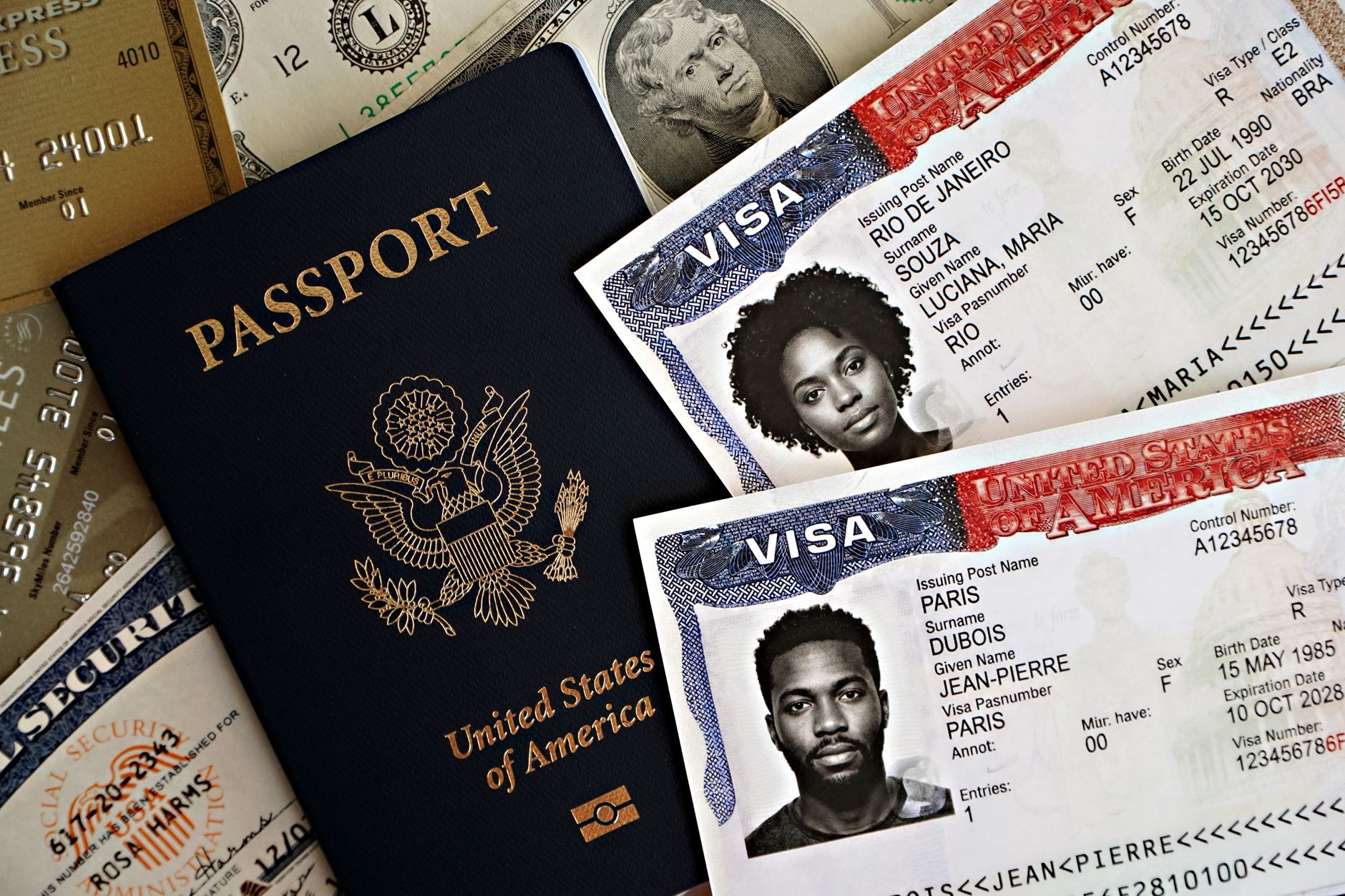
Visa rules for foreign students have been blocked by a US judge, preventing the Trump administration’s new regulations from taking effect. This decision has significant implications for international students and journalists seeking to study or work in the United States.
Overview of the Visa Rules
The recent legal ruling has significant implications for visa rules for foreign students in the United States. The Trump administration had proposed stringent regulations aimed at limiting the duration and conditions under which international students could remain in the country. These changes sparked widespread concern among educational institutions and foreign nationals alike.
Under the proposed rules, foreign students faced the possibility of immediate deportation if their academic programs transitioned to online formats. This scenario raised fears about the potential disruption of education for thousands of individuals who rely on in-person learning experiences.
In addition to the immediate educational impact, the visa rules aimed to create barriers for students seeking to adjust their immigration status post-graduation. Many institutions argued that such restrictions would deter international applicants, ultimately affecting the diversity and quality of education in American universities.
The recent court decision to block these rules is seen as a victory for advocates of international education and has prompted discussions about the future of visa regulations. Stakeholders are now calling for a reevaluation of policies that support foreign students, emphasizing the need for a more inclusive approach to immigration in the educational sector.
Impact on Foreign Students
The recent developments regarding visa rules for foreign students have raised significant concerns among educational institutions and students alike. With the announcement of stricter regulations, many foreign students are left anxious about their future in the United States.
These new visa rules, which were intended to limit the number of international students, could have far-reaching consequences. The impact on foreign students includes:
- Increased Financial Burden: Many students may face higher tuition fees and living costs, making it difficult for them to continue their education.
- Limited Opportunities: Stricter visa conditions could restrict students’ ability to work part-time, further complicating their financial situations.
- Psychological Stress: The uncertainty surrounding their immigration status can lead to significant anxiety and stress among students, affecting their academic performance.
- Reduced Diversity: The tightening of visa rules may deter talented individuals from seeking education in the U.S., leading to a loss of cultural diversity within campuses.
Overall, the impact of these visa rules for foreign students threatens not only their educational aspirations but also the broader landscape of higher education in the country.
Legal Background of the Case
The legal background surrounding the visa rules for foreign students has been a complex and contentious issue. In recent years, various administrations have sought to modify these rules, leading to significant litigation and debate. The Trump administration’s proposed changes aimed to impose stricter requirements on foreign students, raising concerns among educational institutions and advocacy groups.
In July 2020, a federal judge issued a ruling that blocked the implementation of these new visa rules, citing potential harm to students and educational institutions. The judge emphasized the importance of maintaining access to education for international students, who contribute significantly to the academic landscape in the United States.
Moreover, legal experts noted that the administration failed to adequately consider the potential consequences of these changes. The ruling underscored the critical role of foreign students in universities, both economically and culturally. As the legal battle continues, the future of visa rules for foreign students remains uncertain, with many hoping for a resolution that prioritizes educational access and equity.
The ongoing discussion highlights the delicate balance between national security concerns and the need to foster a welcoming environment for international scholars.
Reactions from Educational Institutions
In response to the recent developments regarding visa rules for foreign students, educational institutions across the country have expressed their concerns and support for the ruling. Many leaders in academia believe that the blocked regulations would have had a detrimental effect on the educational landscape.
Dr. Emily Johnson, the president of a prominent university, stated, “The visa rules for foreign students are crucial for maintaining the diversity and vibrancy of our campuses. We welcome international students who contribute significantly to our academic community.”
Several universities have organized forums to discuss the implications of the visa regulations, emphasizing the need for a more inclusive approach to international education. Mark Thompson, a spokesperson for a coalition of universities, noted, “These students bring unique perspectives and skills that enrich our learning environments.”
Moreover, Professor Sarah Lee highlighted the potential economic impact: “The presence of international students supports local economies and creates jobs. Stricter visa rules could have long-term repercussions.”
As discussions continue, many hope for a resolution that prioritizes educational access while ensuring national security, ultimately benefiting both students and institutions alike.
Future of Visa Regulations
The future of visa regulations for foreign students remains uncertain as legal challenges continue to shape the landscape. Recent developments indicate that the judicial branch may play a crucial role in determining the fate of these rules, which have significant implications for international education.
With the recent blocking of the Trump administration’s new visa rules, stakeholders are now left to ponder the potential changes that could arise in the coming months. As educational institutions and foreign students alike await further guidance, the conversation surrounding visa rules has intensified.
- Increased Uncertainty: The legal challenges have created a climate of uncertainty, making it difficult for students to plan their academic futures.
- Potential Revisions: Future administrations may propose new regulations that could either ease or tighten visa rules for foreign students.
- Global Competition: Other countries may seek to attract foreign talent by offering more favorable visa conditions, impacting the U.S. educational system.
As the situation evolves, it is imperative for educational institutions, policymakers, and foreign students to stay informed and engaged in discussions about the future of visa regulations. The outcome will undoubtedly shape the academic landscape for years to come.
Insights from Legal Experts
Legal experts have expressed significant concerns regarding the recent visa rules for foreign students, particularly in light of the recent court ruling that blocks these regulations. According to immigration attorney Maria Gonzalez, the proposed changes could have drastically altered the landscape of higher education in the United States.
Gonzalez noted, “The visa rules for foreign students often reflect broader immigration policies, and any tightening could dissuade potential candidates from pursuing education here. This not only impacts individuals but also affects the diversity and quality of academic institutions.”
Another expert, Dr. Samuel Liu, emphasized the long-term implications of these visa regulations, stating, “If foreign students perceive the U.S. as an unwelcoming environment, we risk losing out on brilliant minds that contribute to innovation and research.”
Furthermore, the ruling highlights the importance of balancing national security concerns with the need for an open academic environment. Experts agree that while security is paramount, the educational benefits of a diverse student body cannot be overlooked.
As the legal landscape evolves, stakeholders remain vigilant, hoping for a future that fosters inclusivity and collaboration in education.
Comparison with Previous Visa Policies
The recent ruling has brought to light significant differences when comparing the current visa rules for foreign students to those in previous years. Under past policies, foreign students enjoyed a more straightforward application process, which facilitated their entry into the United States for educational purposes.
Previously, students were often granted flexible options regarding their stay and study commitments, allowing them to adapt their academic pursuits without the constant fear of visa restrictions. This supported a thriving international student community, contributing positively to the educational landscape and local economies.
However, the new visa rules introduced by the Trump administration marked a stark departure from these earlier practices. The emphasis shifted towards stricter compliance and more frequent check-ins, creating an environment of uncertainty for students. Key differences include:
- Increased Documentation: Students now face more rigorous documentation requirements.
- Limitations on Course Load: Restrictions on course loads have been implemented, affecting part-time students.
- Enhanced Monitoring: Continuous monitoring of student status has become mandatory.
These changes have raised concerns among educators and students alike about the long-term implications for foreign students and the overall quality of education in the U.S.
Conclusion and Next Steps
In light of recent developments regarding the visa rules for foreign students, it is clear that the ongoing legal battles will significantly shape the educational landscape in the United States. The ruling that blocked the Trump administration’s new visa regulations has been met with relief from many institutions that rely on the diversity and talent of international students. However, uncertainty remains as to what future changes may arise in visa policies.
As educational institutions prepare for the next academic year, they must remain vigilant and adapt to any changes in visa rules that may emerge. These institutions are encouraged to enhance their support systems for foreign students, ensuring they have access to legal resources and guidance regarding their visa status.
Moving forward, stakeholders must engage in meaningful dialogues with policymakers to advocate for fair and transparent visa regulations. This collaboration will be essential in creating a stable environment for foreign students, which ultimately enriches the academic experience for all. As the situation evolves, all eyes will be on the decisions made in the coming months, with hopes that a balanced approach to visa rules for foreign students will be established.
The recent changes in visa rules for foreign students have led to significant disruptions in the education sector. Many institutions are struggling to adapt to the stricter visa rules for foreign students, which ultimately affects their enrollment numbers.
Photo by DΛVΞ GΛRCIΛ on Pexels