

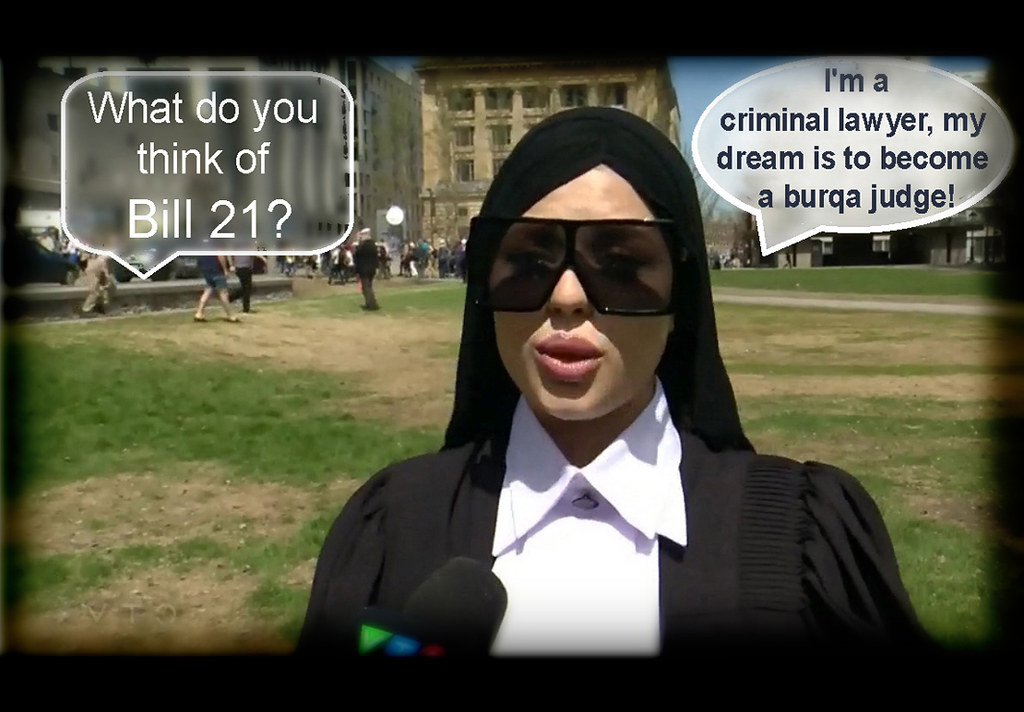
Quebec secularism laws have drastically altered many lives, leaving individuals concerned about the future. As these laws evolve, the implications could become even more significant.
Understanding Quebec’s Secularism Laws
Quebec’s secularism laws, officially known as Bill 21, have sparked widespread debate and concern since their implementation. These laws prohibit certain public sector employees from wearing religious symbols while on the job. Proponents argue that the legislation promotes state neutrality and reinforces the secular nature of the government, while opponents contend that it discriminates against individuals based on their faith.
The impact of these laws has been profound, affecting the lives of many individuals, particularly those in educational and health care sectors. The following points highlight some key aspects:
- Employment Discrimination: Many employees have faced the difficult choice of either removing their religious symbols or losing their jobs.
- Public Backlash: The laws have led to protests and calls for change, with numerous advocacy groups asserting that these regulations infringe on personal freedoms.
- Legal Challenges: Several legal battles are underway, as individuals and organizations challenge the laws on constitutional grounds.
- Community Division: The laws have heightened tensions between different cultural and religious communities, leading to fears of increased polarization.
As Quebec continues to navigate these secularism laws, the long-term implications for its diverse population remain uncertain.
Personal Stories of Affected Individuals
In the wake of Quebec’s secularism laws, many individuals have experienced significant challenges that have altered their daily lives. Personal stories reveal the profound impact these regulations have had on their identities and livelihoods.
- Amina, a teacher in Montreal, found herself in a difficult position when she was asked to remove her hijab to comply with the new regulations. She expressed feelings of alienation and disappointment, stating, “I never thought my faith would be at odds with my profession.”
- David, a police officer, faced scrutiny for wearing a kippah while on duty. He reflected on the confusion these laws have created, noting, “I joined the force to serve my community, not to feel like an outsider in it.”
- Fatima, a student, shared her fears about the future of her education. She worried that the Quebec secularism laws would limit her opportunities and force her to choose between her faith and her aspirations, saying, “I just want to learn and grow, but it feels like I have to hide part of who I am.”
These narratives illustrate a broader concern among many in Quebec about the implications of such laws on personal freedoms and the inclusivity of society.
Legal Challenges Ahead for Quebec
The recent implementation of Quebec secularism laws has sparked significant legal challenges that could reshape the landscape of religious freedom in the province. Critics argue that these laws, aimed at reinforcing the separation of church and state, disproportionately affect individuals who wear religious symbols, such as hijabs, kippahs, and turbans.
As the courts begin to weigh in, several key legal aspects are emerging:
- Charter of Rights and Freedoms: Opponents of the secularism laws contend that they violate the Canadian Charter of Rights and Freedoms, which guarantees freedom of religion and expression.
- Precedents from Previous Cases: Legal experts point to past rulings that favored religious accommodations, suggesting that these precedents may influence the outcome of current challenges.
- Public Sentiment: The societal divide over the secularism laws may also play a role in legal interpretations, as public opinion shifts regarding religious expression in public service roles.
As these court cases unfold, the implications of Quebec’s secularism laws could extend beyond the courtroom, affecting the lives of many individuals who feel their rights are at stake. The outcome may not only redefine the legal framework but also influence the future of multiculturalism in Quebec.
Broader Implications for Canadian Society
The Quebec secularism laws have sparked a broader conversation about the role of religion in public life across Canada. As various provinces examine their own policies, the implications of Quebec’s approach could resonate beyond its borders. Many Canadians are questioning how similar measures might affect their communities and the rights of individuals.
Supporters of the laws argue that they promote a neutral public sphere, where individuals can coexist regardless of their religious beliefs. However, detractors fear that these secularism laws may lead to increased discrimination against religious minorities, particularly Muslim women who wear hijabs and other forms of religious attire. This concern raises significant questions about equality and inclusion within Canadian society.
Moreover, the debate around Quebec’s secularism laws has prompted discussions about national identity and multiculturalism. Some citizens feel that these laws challenge the very fabric of Canadian values, which have traditionally embraced diversity. As this conversation unfolds, it is essential to consider the potential ripple effects on social cohesion and community relations.
Ultimately, how Canada navigates the implications of Quebec’s secularism laws will shape the country’s approach to multiculturalism and individual rights. Balancing secularism with respect for personal beliefs remains a critical challenge for policymakers and citizens alike.
Expert Opinions on Secularism
Experts have weighed in on the implications of Quebec’s secularism laws, highlighting the complexities surrounding the issue. Dr. Marie-Claude Boucher, a sociologist at the University of Montreal, argues that these laws reflect deeper societal tensions. She states, “The laws aim to promote a neutral public space, yet they inadvertently marginalize specific groups, particularly religious minorities.”
Conversely, Professor Jean-Pierre LaCroix, a legal scholar, believes the secularism laws are essential for maintaining social cohesion. He argues, “In a diverse society, clear boundaries regarding religion in public institutions can prevent conflicts and promote inclusivity.” However, he acknowledges, “The way these laws are currently framed can lead to unintended consequences.”
Additionally, Dr. Fatima Ezzahra, an expert in human rights, raises concerns about the potential for discrimination. “We must consider how these laws affect individual freedoms. The intention behind Quebec’s secularism laws may be to foster equality, but the reality is that they often achieve the opposite.”
As discussions continue, many are left wondering about the long-term effects on Quebec society. The divergent opinions underscore the ongoing debate about balancing secularism with the rights of individuals, especially those who feel targeted by these laws.
What Comes Next for Quebec Residents
As Quebec residents grapple with the consequences of the province’s secularism laws, many are left wondering what comes next. The implementation of these laws has already altered daily life for numerous individuals, particularly those who wear religious symbols as part of their identity. With legal challenges on the horizon, residents are concerned about potential escalations in tensions between secular policies and individual freedoms.
Many community leaders are calling for dialogue to foster understanding and inclusivity, emphasizing that the secularism laws should not alienate or marginalize any group. The fear of further restrictions looms large, as some believe that the laws could pave the way for more stringent measures in the future.
The impact on workplaces, schools, and public services is also a pressing issue. Residents worry about the message these laws send regarding diversity and acceptance in Quebec. As debates continue, several key questions remain:
- How will the laws affect the hiring practices of public sector employees?
- What will be the long-term effects on community relations?
- Will there be additional legislation aimed at further entrenching secularism?
Ultimately, the future of Quebec’s secularism laws will shape not only the lives of those directly affected but also the broader social landscape of the province.
The Quebec secularism laws have sparked significant debate regarding their implications for religious freedom in the province. As communities navigate these changes, the true impact of the Quebec secularism laws continues to unfold in various social and cultural contexts.
By Grain Sand via Openverse