
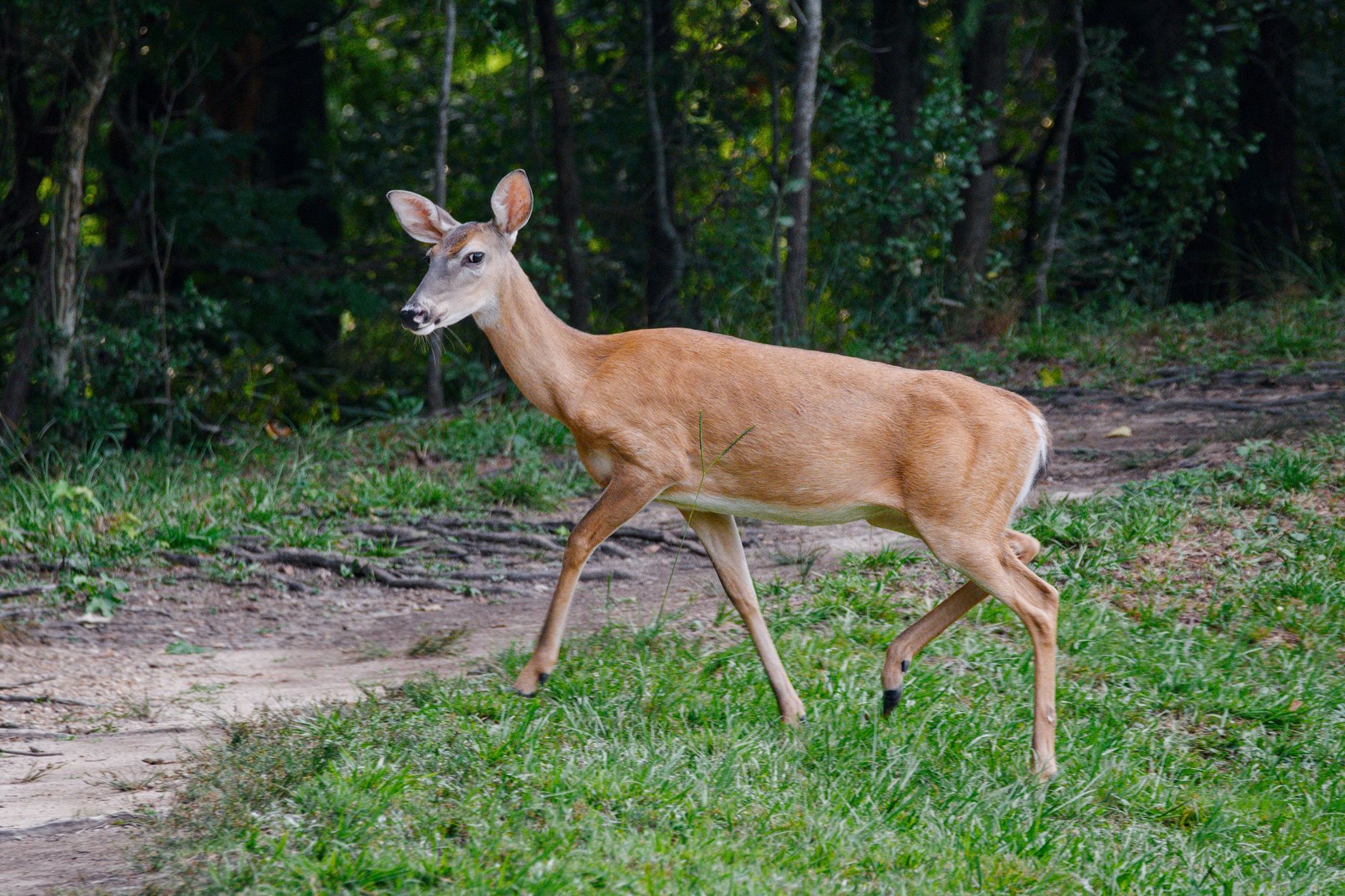
Georgia species risk is increasing as new federal rules threaten local wildlife. These regulations have raised concerns among environmentalists and legal experts about the long-term impact on endangered species.
Understanding the New Federal Rules
Recent changes to federal regulations have raised concerns among environmentalists regarding the potential impact on Georgia species risk. The new rules, aimed at streamlining environmental assessments, may inadvertently jeopardize the habitats of several vulnerable species native to the state.
Key points of the new federal rules include:
- Reduced Protections: Diminished safeguards for critical habitats, which could lead to increased development and habitat destruction.
- Streamlined Assessments: A faster review process that may overlook the long-term effects on biodiversity.
- Limited Public Input: Restrictions on community engagement during the decision-making process, silencing local voices advocating for wildlife conservation.
As Georgia faces the possibility of losing vital ecosystems, the implications of these regulations could be profound, leaving many to question if this is the worst federal rule yet regarding species protection.
Impact on Georgia’s Endangered Species
The recent implementation of new federal rules has raised significant concerns regarding the Georgia species risk. Many experts believe that these regulations could have detrimental effects on local ecosystems and endangered species.
One of the primary impacts is the potential loss of habitat, which is crucial for the survival of various species. The rules may allow for increased development and industrial activities in sensitive areas, posing threats to the already vulnerable populations.
Several species unique to Georgia are particularly at risk, including:
- Georgia pigtoe – a freshwater mussel facing severe habitat loss
- Eastern indigo snake – threatened by habitat destruction and road mortality
- Wood stork – impacted by changes in wetland management
Conservationists argue that without adequate protections, these species may face an uncertain future, further exacerbating the existing Georgia species risk.
Legal Challenges Ahead
As the debate over the new federal rules intensifies, legal challenges are anticipated that could further complicate the situation surrounding Georgia species risk. Environmental advocacy groups are preparing to contest the regulations, arguing that they undermine protections for vulnerable wildlife.
Critics believe that the federal government is prioritizing economic development over ecological preservation, which could lead to irreversible damage to Georgia’s diverse ecosystems. Legal experts suggest that lawsuits might focus on several key areas:
- Violation of the Endangered Species Act: Opponents assert that the new rules fail to uphold the spirit of existing legislation aimed at protecting endangered species.
- Failure to Consider Scientific Evidence: Many argue that the regulations are based on insufficient scientific data, undermining their validity.
- Impact on Local Communities: The legal disputes may also explore how the new rules affect local economies reliant on wildlife tourism.
As these challenges unfold, the future of Georgia’s species remains uncertain.
Community Reactions to New Regulations
Community members across Georgia have expressed their concerns regarding the recent federal rules that put Georgia species at risk. Many local residents feel that the regulations may do more harm than good, jeopardizing both wildlife and local economies.
Several organizations have voiced strong opposition, emphasizing the need for a balanced approach to conservation. They argue that the new rules could hinder critical habitat protection efforts. As one local environmentalist stated, “These regulations threaten not only our biodiversity but also the livelihoods of those who depend on healthy ecosystems.”
In response to the proposed changes, public meetings have been organized to gather feedback and foster dialogue on the issue. Community members are encouraged to participate and share their thoughts. A recent survey revealed that over 75% of respondents believe the new regulations are detrimental to Georgia’s unique wildlife.
As the discussions continue, it remains to be seen how these federal rules will evolve in light of public sentiment.
The Role of Environmental Advocacy
Environmental advocacy groups are stepping up their efforts in response to the new federal rules that threaten Georgia species risk. These organizations play a crucial role in raising awareness about the potential consequences of these regulations on local ecosystems.
Many advocates argue that the rules undermine decades of conservation efforts and could lead to irreversible damage to vulnerable species. In their view, the regulations prioritize economic interests over environmental protections, putting the state’s rich biodiversity at serious risk.
To combat these changes, advocacy groups are mobilizing communities to engage in grassroots campaigns, urging citizens to voice their concerns to policymakers. They emphasize the importance of preserving Georgia’s unique habitats, which support numerous endangered species.
As this situation unfolds, the role of environmental advocacy becomes ever more critical, as they strive to ensure that the voices of concerned citizens are heard and that effective conservation measures are implemented.
Comparing State and Federal Laws
In the ongoing debate surrounding the Georgia species risk, the differences between state and federal laws have become increasingly apparent. While federal regulations aim to protect endangered species on a broader scale, state laws often provide additional layers of protection tailored to local ecosystems.
Some key differences include:
- Scope of Protection: Federal laws typically focus on species listed as endangered or threatened, whereas Georgia state laws may extend protections to more species and habitats.
- Enforcement Mechanisms: State agencies may have more localized enforcement capabilities, allowing quicker responses to threats faced by Georgia’s unique wildlife.
- Community Engagement: State laws often involve local stakeholders in the decision-making process, fostering a sense of ownership and responsibility towards conservation efforts.
As the implications of the new federal rules unfold, understanding these differences is crucial for developing effective strategies to mitigate the Georgia species risk and ensure biodiversity is preserved for future generations.
Future of Wildlife in Georgia
The future of wildlife in Georgia hangs in the balance as new federal regulations threaten numerous native species. Experts warn that the implications of these rules could lead to a significant decline in biodiversity, placing several species at risk of extinction.
Among the species affected, many are already vulnerable due to habitat loss and climate change. The latest federal rules may exacerbate these challenges, making it increasingly difficult for conservation efforts to succeed. As habitats continue to shrink, the delicate balance of Georgia’s ecosystems is jeopardized.
Local organizations are calling for immediate action to safeguard these species. They emphasize the importance of collaboration between state and federal agencies to create effective conservation strategies. Additionally, community engagement is critical in raising awareness about the risks faced by Georgia’s wildlife.
In light of these developments, stakeholders must prioritize the health of Georgia’s ecosystems to ensure a sustainable future for its diverse wildlife.
What Can Be Done to Protect Species?
To address the growing Georgia species risk, several measures can be implemented to protect vulnerable wildlife. First, enhancing collaboration between state and federal agencies is crucial. By working together, they can create more effective conservation strategies that take into account the unique ecological needs of Georgia’s habitats.
Second, increasing public awareness and education about local species and their importance can foster community support for conservation efforts. Engaging local communities in wildlife monitoring programs can also empower residents to take an active role in protecting their natural surroundings.
Third, advocating for stronger environmental policies at both state and federal levels is essential. This includes pushing for legislation that prioritizes habitat preservation and sustainable land use practices.
Finally, supporting conservation organizations that focus on species recovery will ensure that critical resources are directed toward initiatives aimed at safeguarding Georgia’s rich biodiversity.
The recent changes in legislation have raised concerns among conservationists about the implications of the Georgia species risk. Many believe that this could be one of the most detrimental federal rules affecting biodiversity in the region, amplifying the Georgia species risk even further.
Photo by Mehmet Suat Gunerli on Pexels
Where this came from
PMTA rule changes: Clear Impact on Vaping Industry · Young Drivers Education Law: Clear Benefits for New Drivers · Silencer registration enforcement: The Worst Impact on Gun Owners