

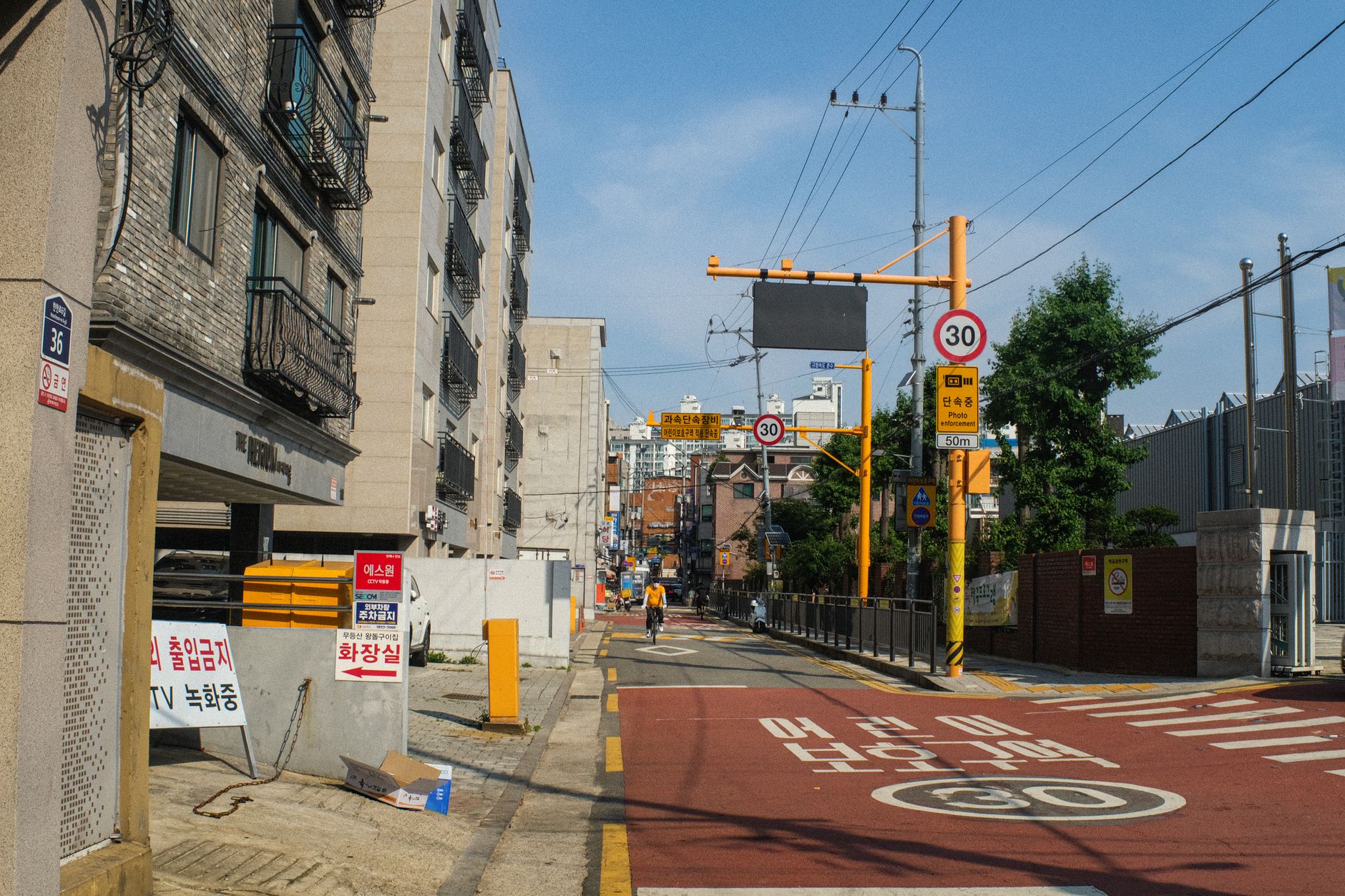
South Korea residency rules are set to be eased for senior housing facilities, providing greater access and options for elderly residents. This change aims to improve living conditions for seniors across the country.
Overview of South Korea’s New Residency Rules
South Korea has recently announced a significant change to its residency rules, particularly aimed at enhancing housing options for seniors. The new regulations are designed to make it easier for older adults to access suitable living arrangements within the country. This initiative comes in response to the growing population of seniors and the increasing demand for age-friendly accommodations.
Key aspects of the revised South Korea residency rules include:
- Increased Accessibility: The government is implementing measures to streamline the application process for residency in senior housing facilities.
- Financial Support: There will be enhanced financial assistance programs to aid seniors looking to secure residency in these facilities.
- Safety Standards: The new rules emphasize the importance of safety and comfort in senior living environments.
This approach aims to ensure that seniors can enjoy a high quality of life while living in communities that cater to their specific needs. As South Korea continues to adapt to demographic changes, these residency rules may play a crucial role in supporting the elderly population.
Impact on Senior Housing Facilities
The recent changes in South Korea residency rules are poised to significantly impact senior housing facilities across the nation. As the population ages, the need for adequate housing options for seniors has become increasingly pressing. The government’s initiative to ease residency restrictions aims to create a more inclusive environment for older adults, ensuring they have access to suitable living arrangements.
Many senior housing facilities are now exploring ways to adapt to these new regulations. This includes:
- Enhanced accessibility: Facilities are expected to invest in modifications that cater specifically to the needs of seniors.
- Increased support services: With the new rules, housing providers can offer more comprehensive services, such as healthcare and wellness programs.
- Community integration: The easing of residency rules encourages a blending of different age groups, fostering a sense of community.
Overall, these changes reflect a growing recognition of the importance of tailored housing solutions for the senior population in South Korea.
Benefits for Elderly Residents
The recent changes in South Korea residency rules have sparked a discussion about the benefits for elderly residents. These modifications aim to create a more inclusive environment for seniors, allowing them easier access to essential services and facilities. Here are some of the key advantages:
- Improved Accessibility: The new rules facilitate better access to healthcare and social services, ensuring that seniors can receive timely assistance.
- Community Integration: By easing residency restrictions, elderly residents can more easily participate in community activities, fostering social connections and reducing isolation.
- Financial Benefits: Enhanced residency options may lead to more affordable housing choices, allowing seniors to allocate their resources to other essential needs.
- Supportive Environments: The revised residency rules encourage the development of senior-friendly neighborhoods, offering services tailored specifically for older adults.
As South Korea continues to adapt its residency rules, it is essential to consider how these changes can improve the quality of life for its elderly population.
Legal Considerations for Providers
As South Korea updates its residency rules, it is essential for providers of senior housing facilities to navigate the legal landscape effectively. The new regulations aim to create a more accommodating environment for elderly residents, but they also bring forth several legal considerations that must be addressed.
Providers should be aware of the following key points:
- Compliance with Licensing Requirements: Facilities must ensure they meet all licensing criteria outlined in the updated residency rules to operate legally.
- Health and Safety Standards: Adhering to health regulations is crucial, as they have a direct impact on the well-being of residents.
- Liability Issues: Understanding liability laws can help protect providers from potential legal disputes related to resident care.
- Informed Consent: Providers must ensure they obtain informed consent from residents regarding any changes in services or policies stemming from the new residency rules.
By staying informed and compliant, providers can better serve the elderly population while navigating the evolving landscape of South Korea’s residency rules.
Community Reactions to Changes
Community reactions to the recent changes in South Korea residency rules have been mixed, as residents and stakeholders voice their concerns and support. Many seniors express optimism about the potential benefits these new regulations may bring. They believe that easing the residency requirements could lead to improved access to housing options tailored to their needs.
- Support from Families: Several family members of elderly residents have applauded the changes, noting that they could enhance living conditions and promote a sense of community.
- Concerns from Providers: However, some senior housing facility providers worry that the new South Korea residency rules may not adequately address the financial implications on their operations.
- Calls for Clarity: Community leaders have urged the government for clearer guidelines to ensure all parties understand the new requirements and their implications.
As discussions continue, the balance between facilitating access for seniors and maintaining the sustainability of housing facilities remains a key concern for many stakeholders involved in this evolving landscape.
Future Implications for Housing Policy
The recent changes in South Korea residency rules are poised to significantly shape the future landscape of housing policy for seniors. As the population ages, the demand for suitable housing options will only increase, necessitating a proactive approach from policymakers.
Experts suggest that the easing of residency restrictions may encourage more investment in senior housing facilities, creating a wider array of options tailored to the needs of elderly residents. However, this shift also raises questions about sustainability and the long-term viability of such developments.
To address these challenges, it will be essential for the government to implement supportive measures, including:
- Incentives for private developers to create affordable housing
- Strategies to integrate seniors into local communities
- Regular assessments of housing policies to ensure they meet evolving needs
Ultimately, the future of housing policy in South Korea will depend on balancing these factors to create an inclusive environment for its aging population.
Many experts argue that the South Korea residency rules provide significant benefits for seniors looking to settle in the country. However, some critics question whether the South Korea residency rules adequately address the unique needs of an aging population.
Photo by Andre Tran on Pexels
Where this came from
You might also like
Georgia species risk: Is it the worst federal rule yet? · PMTA rule changes: Clear Impact on Vaping Industry · Young Drivers Education Law: Clear Benefits for New Drivers