

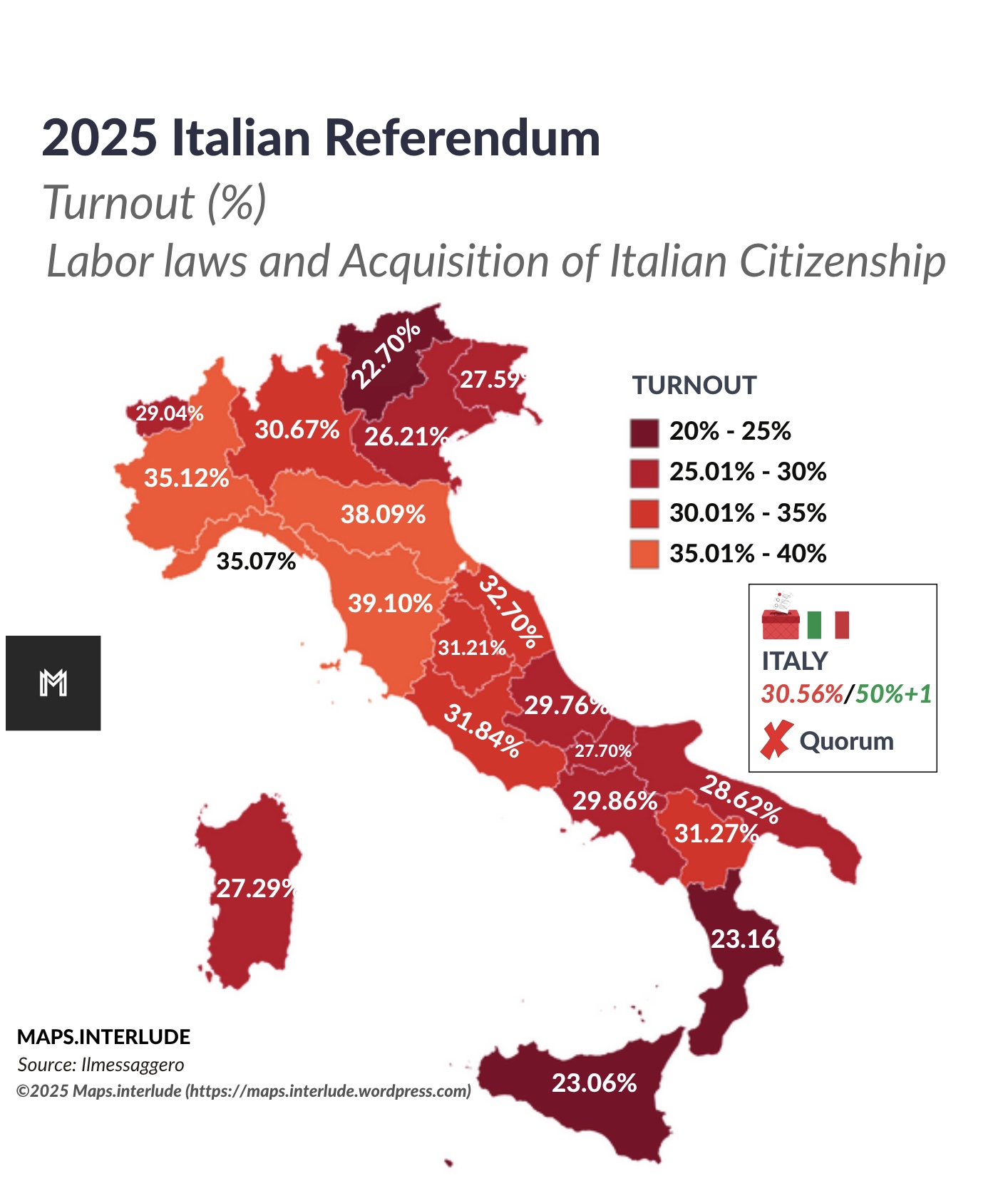
Italian citizenship law is undergoing important adjustments as acknowledged by Tajani. The government is closely monitoring the implementation of these reforms to ensure effectiveness.
Overview of the Italian citizenship law
The recent adjustments to the Italian citizenship law have sparked significant discussion among lawmakers and citizens alike. These changes aim to streamline the process of acquiring citizenship in Italy, making it more accessible for eligible applicants.
Deputy Prime Minister Antonio Tajani has acknowledged the need for these reforms, emphasizing that the government is closely monitoring the implementation of the new regulations. The adjustments reflect a growing recognition of the importance of integrating newcomers into Italian society.
Key features of the revised Italian citizenship law include:
- Reduced waiting times for applicants.
- Clearer guidelines for documentation and eligibility.
- Enhanced support services for applicants navigating the process.
The government aims to create a more efficient and transparent framework that promotes inclusion and diversity within the country. As the implementation unfolds, many are hopeful that these changes will lead to a more welcoming environment for those seeking to become Italian citizens.
Recent changes in citizenship law
Recent adjustments to the Italian citizenship law have gained significant attention as the government seeks to streamline the reform process. In a recent statement, Deputy Prime Minister Antonio Tajani highlighted the importance of these changes, asserting that the administration is closely monitoring their implementation.
Key aspects of the revised law include:
- Facilitation of naturalization: The new provisions aim to simplify the application process for immigrants, making it more accessible.
- Recognition of dual citizenship: The law now allows individuals to hold dual citizenship, fostering a more inclusive approach to nationality.
- Emphasis on integration: Applicants will be encouraged to demonstrate their commitment to integrating into Italian society, including language proficiency and cultural understanding.
These modifications reflect a broader shift in Italian citizenship law, underscoring the government’s intent to adapt to changing demographics and societal needs. The ongoing evaluation of these reforms will be crucial in determining their long-term impact on potential citizens.
Government’s role in monitoring reforms
The Italian government plays a crucial role in monitoring the implementation of the recent adjustments to the Italian citizenship law. As stated by Deputy Prime Minister Antonio Tajani, the government is committed to ensuring that these reforms are effectively executed and achieve their intended outcomes.
To facilitate this process, the government has established several key initiatives:
- Regular Assessments: Officials will conduct periodic evaluations to measure the impact of the new citizenship provisions.
- Stakeholder Engagement: The government plans to engage with civic organizations and legal experts to gather feedback on the reforms.
- Public Awareness Campaigns: Efforts will be made to inform potential applicants about the adjustments and their rights under the new law.
By taking these steps, the government aims to address any challenges that arise during the implementation phase and ensure that the revised Italian citizenship law meets the needs of all citizens and applicants.
Impact of the adjustments on applicants
The recent adjustments to the Italian citizenship law have significant implications for applicants navigating the citizenship process. These changes aim to streamline the application procedure, making it more accessible and efficient.
Among the most notable impacts are:
- Reduced Processing Times: Applicants can expect shorter waiting periods, allowing for quicker decisions on their citizenship status.
- Clearer Requirements: The adjustments clarify documentation and eligibility criteria, reducing confusion and potential errors in applications.
- Increased Support: Enhanced resources and guidance are now available for applicants, including improved online platforms and assistance services.
Furthermore, these modifications reflect the government’s commitment to a more transparent and fair process. As Deputy Prime Minister Antonio Tajani noted, ongoing monitoring of these reforms will ensure their efficacy and address any emerging challenges faced by applicants.
Overall, the revisions to the Italian citizenship law are poised to create a more favorable environment for those seeking citizenship in Italy.
Public response to the citizenship reform
The recent adjustments to the Italian citizenship law have sparked a diverse public response, reflecting a mix of optimism and skepticism among citizens and potential applicants. Many individuals, particularly those awaiting citizenship approval, have expressed hope that the reforms will streamline the process and reduce waiting times.
However, there are concerns among some groups regarding the fairness and transparency of the implementation. Critics argue that while the changes are a step in the right direction, more needs to be done to ensure that all applicants are treated equitably.
In a recent survey, respondents highlighted several key points regarding the reform:
- Increased Awareness: Many are now more informed about their rights and the requirements for citizenship.
- Need for Clear Guidelines: There is a call for clearer communication from government agencies overseeing the process.
- Continued Scrutiny: Citizens emphasize the importance of ongoing monitoring of the new law’s implementation.
Overall, the public response showcases a blend of hope and caution as stakeholders await the full effects of the new citizenship law.
Future outlook for Italian citizenship law
The future outlook for Italian citizenship law appears promising, as officials continue to emphasize the importance of the recent adjustments. These reforms aim to create a more streamlined process for applicants, addressing long-standing concerns regarding delays and bureaucracy.
In light of the government’s commitment to monitor the implementation of these changes, stakeholders are optimistic about the potential for increased efficiency. The adjustments are expected to enhance the overall experience for those seeking citizenship, making it more accessible to individuals from diverse backgrounds.
As the reforms take effect, the government plans to gather feedback from applicants and advocacy groups to ensure that the new processes meet the needs of the community. This ongoing dialogue is crucial in shaping the future of the Italian citizenship law, fostering a more inclusive environment.
With continued attention on these reforms, it is likely that further modifications will be made to enhance clarity and effectiveness, ultimately benefiting both the applicants and the nation.
By Maps.interlude via Openverse
Sources
Italianismo · Italian citizenship law
Related stories
Nangs Delivery – Discover the Role of Cream Chargers in Modern Dessert Making · MH CET Law 2027 Pattern: Clear Insights on Changes Ahead · Character AI private chats face serious legal challenges