
Author: admin

  • Nature Of Mesothelioma Diagnosis

    Nature Of Mesothelioma Diagnosis

    The specifics of a mesothelioma diagnosis significantly shape the potential settlement value. The type, stage, and timing of the diagnosis all play a role in determining the extent of the damages and the prognosis for the patient. It’s not just about having the disease; it’s about what kind and how far it’s progressed.

    Types Of Mesothelioma

    There are several types of mesothelioma, each with different characteristics and prognoses. The most common type is pleural mesothelioma, which affects the lining of the lungs. Peritoneal mesothelioma affects the abdomen, while pericardial mesothelioma affects the heart, and testicular mesothelioma is, well, in the testicles. The specific type of mesothelioma influences treatment options and survival rates, which in turn affects settlement values.

    Stages Of Mesothelioma

    Like many cancers, mesothelioma is staged to indicate how far the disease has spread. Stages range from I to IV, with stage IV indicating the most advanced stage. The stage at diagnosis is a critical factor in determining life expectancy and the intensity of required medical treatment. A later stage diagnosis typically means a poorer prognosis and higher medical costs, which can increase the potential settlement value. Understanding the stages of mesothelioma is key.

    Impact Of Diagnosis Timing

    The timing of a mesothelioma diagnosis can have a significant impact on treatment options and outcomes. An early diagnosis may allow for more aggressive treatment, potentially extending the patient’s life. A delayed diagnosis, on the other hand, may limit treatment options and worsen the prognosis. Here are some things to consider:

    • Earlier diagnosis often leads to more treatment options.
    • Delayed diagnosis can reduce life expectancy.
    • The time between exposure and diagnosis also matters.
    • Regular screenings for high-risk individuals can improve outcomes.

    Asbestos Exposure History

    Duration Of Exposure

    The length of time someone was exposed to asbestos is a big deal when figuring out a mesothelioma settlement. Basically, the longer the exposure, the higher the potential settlement. This is because extended exposure usually means a greater risk of developing mesothelioma. It’s not just about years, though; even short, intense periods of exposure can be significant. The legal teams will dig into work records, witness statements, and any other available data to nail down exactly how long the person was exposed. This helps paint a clearer picture of the risk and potential damages. It’s like, the more you were around it, the more likely it messed you up, right?

    Types Of Asbestos Products

    Not all asbestos is created equal, and the type of asbestos someone was exposed to matters. Some types, like amosite and crocidolite, are considered more dangerous than others. Also, the kind of product containing asbestos makes a difference. For example, working with asbestos insulation might be riskier than handling asbestos-containing floor tiles. Lawyers will look into the specific products the person worked with or was around. They’ll check product labels, safety data sheets, and any other documentation to figure out the exact type of asbestos involved. This helps determine the level of risk and potential harm, which then affects the settlement value. It’s all about figuring out just how bad the stuff was that they were breathing in. Here are some common asbestos-containing products:

    • Insulation
    • Floor tiles
    • Brake linings

    Occupational vs. Environmental Exposure

    How someone was exposed to asbestos—whether at work or in the environment—also plays a role in settlement amounts. Occupational exposure, like working in a factory that used asbestos, is often easier to prove and can lead to higher settlements. Environmental exposure, such as living near an asbestos mine, can be harder to document but is still a valid claim. The legal team will need to gather evidence to show how the exposure happened. This might involve employment records, expert testimony, and environmental testing. Proving the link between the exposure and the mesothelioma diagnosis is key. It’s like, did you get it from your job, or was it just in the air you breathed? Either way, it matters for the case. The average mesothelioma settlement amounts can vary widely depending on these factors.

    Jurisdiction And Venue

    Where a mesothelioma case is filed can really change things. It’s not just a matter of convenience; the laws and court attitudes in different places can seriously affect the outcome. Think of it like this: some states are known to be more sympathetic to plaintiffs in asbestos cases, while others tend to favor the defendants. It’s a big deal.

    State Laws Regarding Asbestos Claims

    State laws are all over the place when it comes to asbestos claims. Some states have laws that make it easier for victims to sue, like longer statutes of limitations or rules that favor plaintiffs when it comes to proving exposure. Other states might have stricter requirements, making it harder to win a case. It’s important to know the specific laws of the state where the case is being filed because they can significantly impact the chances of success. For example:

    • Some states allow claims even if the exposure happened decades ago.
    • Others might require very specific proof of where and when the exposure occurred.
    • And some have caps on the amount of damages that can be awarded.

    Court Preferences

    Even within a state, different courts can have different attitudes toward asbestos cases. Some judges and juries might be more familiar with the issues involved and more sympathetic to the victims. Others might be less so. This can influence everything from how the case is handled to the amount of money that’s awarded. It’s all about understanding the local legal landscape.

    Impact Of Local Jurisdictions

    Local jurisdictions can have a huge impact on mesothelioma cases. Things like the demographics of the area, the local economy, and even the political climate can all play a role. For instance, a jurisdiction with a history of asbestos-related industries might be more familiar with the issues and more likely to side with the plaintiff. On the other hand, a jurisdiction with a strong business community might be more sympathetic to the defendant. Understanding these local factors is key. The location of the lawsuit can affect:

    • The speed at which the case moves through the court system.
    • The potential jury pool and their attitudes toward asbestos claims.
    • The rulings on evidence and legal arguments presented by both sides.

    Ultimately, the jurisdiction and venue of a mesothelioma case are critical considerations that can significantly influence the outcome. It’s not just about where the victim lives or where the exposure occurred; it’s about understanding the legal and social environment of the place where the case is being filed. This is why getting advice from a lawyer who knows the local courts is so important. They can help you figure out the best place to file your case to maximize your chances of getting a fair settlement for mesothelioma cases.

    Defendant’s Financial Status

    The financial standing of the defendant plays a significant role in determining mesothelioma settlement values. A company with substantial assets or significant insurance coverage is more likely to offer a higher settlement than a company facing financial difficulties. The ability to pay is, unfortunately, a key factor.

    Bankruptcy Trusts

    Many companies that used asbestos have since filed for bankruptcy. To compensate victims, bankruptcy courts often establish asbestos trust funds. These trusts are designed to provide compensation to individuals who have been diagnosed with mesothelioma or other asbestos-related diseases. The amount available from these trusts can vary widely, depending on the size of the trust and the number of claims filed. It’s a whole process to file a claim, and it can be confusing.

    Insurance Coverage

    Insurance policies held by the defendant at the time of asbestos exposure can be a major source of compensation. These policies may cover the costs of settlements and judgments. The extent of the coverage, the number of applicable policies, and any disputes with the insurance company can all affect the settlement value. It’s not always straightforward dealing with insurance companies, as you might imagine.

    Corporate Liability

    The extent to which a corporation is liable for asbestos exposure also influences settlement amounts. Factors considered include:

    • The company’s knowledge of the dangers of asbestos.
    • The company’s actions to protect workers and the public.
    • The company’s role in the manufacturing, distribution, or use of asbestos products.

    If a company was aware of the risks and failed to take adequate precautions, it may face greater liability and, consequently, higher settlement demands. It’s all about proving negligence, really.

    Medical Expenses And Treatment Costs

    Cost Of Treatment Options

    Medical expenses are a big part of mesothelioma claims. The costs can be really high, and they cover everything from doctor visits to hospital stays and medicine. Treatment costscan be high, especially with specialized care. It’s not just about what you pay now; it’s also about what you might need to pay in the future.

    Long-Term Care Needs

    Mesothelioma often requires long-term care. This might include:

    • Home healthcare
    • Assisted living facilities
    • Ongoing medical treatments

    These costs add up over time and can significantly impact the settlement value. The need for continuous medical support is a critical factor. It’s important to consider these future expenses when figuring out a fair settlement.

    Impact Of Medical Records

    Medical records are super important. They show:

    • The extent of the illness
    • The treatments received
    • The costs incurred

    Detailed records help prove the financial burden of the disease. They also help show the impact of the illness on the person’s life. Having complete and accurate medical records for pleural mesothelioma can really help the case.

    Pain And Suffering Damages

    Emotional Distress

    Mesothelioma isn’t just a physical disease; it brings a ton of emotional baggage too. The diagnosis itself can cause severe anxiety and depression. Dealing with the constant pain, the uncertainty about the future, and the impact on family life all contribute to significant emotional distress. It’s not just about feeling down; it’s about the profound psychological impact the disease has on a person’s well-being. The legal system recognizes this, and compensation for emotional suffering is a key part of mesothelioma settlements. It’s hard to put a number on feelings, but the courts try to account for the real mental anguish patients endure. If a patient passes away before the lawsuit is resolved, it can be converted into a wrongful death lawsuit.

    Loss Of Enjoyment Of Life

    Mesothelioma can rob people of their ability to enjoy everyday activities. Things that used to bring joy – hobbies, spending time with loved ones, even simple pleasures like a walk in the park – become difficult or impossible. This loss of enjoyment of life is a significant component of pain and suffering damages. It’s about recognizing that the disease has taken away a person’s ability to live life to the fullest. Courts consider how mesothelioma has affected a person’s ability to participate in and appreciate the things they once loved.

    Physical Pain Assessment

    Mesothelioma is often associated with significant physical pain. The location and intensity of the pain can vary depending on the type and stage of the disease. Assessing this pain is crucial in determining the appropriate level of compensation. This assessment often involves:

    • Detailed medical records documenting the patient’s pain levels.
    • Testimony from the patient and their family about the impact of the pain on their daily life.
    • Expert medical opinions on the expected pain associated with mesothelioma.

    Average mesothelioma settlement amounts typically range from $1 million to $1.5 million, though actual payouts can vary based on individual case circumstances. The goal is to provide compensation for the physical suffering endured as a result of the disease.

    Expert Testimony And Evidence

    Role Of Medical Experts

    Medical experts play a big part in mesothelioma cases. They explain the complex medical aspects of the disease to the jury. It’s not something most people understand, so having someone who can break it down is important. These experts can talk about things like:

    • The diagnosis process
    • The cause of mesothelioma
    • The patient’s prognosis

    Importance Of Asbestos Histories

    Figuring out how someone was exposed to asbestos is key. A detailed asbestos exposure history can make or break a case. This involves looking at:

    • Where the person worked
    • What products they used
    • How long they were exposed

    Sometimes, it’s hard to remember all the details from years ago, but it’s worth the effort to get as much information as possible. This information is often used to establish asbestos exposure.

    Use Of Scientific Studies

    Scientific studies are used to back up claims about asbestos and mesothelioma. These studies show the link between asbestos exposure and the disease. They can also provide information on:

    • The types of asbestos that are most dangerous
    • The latency period (how long it takes for the disease to develop)
    • The effectiveness of different treatments

    Settlement Negotiation Strategies

    Initial Offer Considerations

    When it comes to mesothelioma settlements, the initial offer is just the starting point. It’s like the opening bid in an auction – rarely is it the final price. Several things go into figuring out that first offer. The defense will look at the specifics of the case, like the type of mesothelioma, the patient’s age, and the extent of asbestos exposure. They’ll also consider the jurisdiction, as some states are more favorable to plaintiffs than others. The initial offer is often lower than what the case is actually worth, so it’s important not to accept it without careful consideration. It’s a strategic move, setting the stage for the negotiations to come. Claimants should also consider mesothelioma research to better understand their options.

    Counteroffers And Tactics

    Once the initial offer is on the table, the real negotiation begins. This is where the plaintiff’s legal team crafts a counteroffer, backing it up with solid evidence and a strong legal argument. Tactics can vary widely. Some lawyers might emphasize the emotional impact of the disease, while others focus on the economic losses, like medical bills and lost wages. It’s a bit of a dance, with each side trying to get the upper hand. Good communication is key during this phase. The plaintiff needs to be fully informed about each offer and counteroffer, understanding the potential risks and rewards of each decision.

    Role Of Legal Representation

    Having experienced legal representation is super important during settlement negotiations. A skilled attorney knows the ins and outs of mesothelioma litigation. They can assess the true value of the case, negotiate effectively with the defense, and advise the client on whether to accept a settlement or proceed to trial.

    Here’s what a lawyer brings to the table:

    • Experience: They’ve handled similar cases before and know what to expect.
    • Negotiation Skills: They’re skilled at getting the best possible outcome.
    • Objectivity: They can provide unbiased advice, helping the client make informed decisions.

    Basically, a good lawyer is your advocate, fighting for your rights and interests throughout the entire process.

    Precedent Cases And Settlements

    Influence Of Previous Verdicts

    Previous mesothelioma verdicts and settlements can really shape expectations. They give lawyers and clients a sense of what’s possible, influencing how they approach negotiations. It’s not just about the numbers; it’s about understanding how similar cases have been handled. This knowledge helps in building a strong case strategy. You can see how settlements typically range based on past outcomes.

    Comparative Settlement Values

    Figuring out what a fair settlement looks like involves comparing it to others. What factors made those cases successful? Were there specific details about the asbestos exposure or the victim’s health that boosted the settlement amount? Looking at these comparative values helps set realistic goals. It’s like doing your homework before a big test; you want to know what to expect.

    Trends In Mesothelioma Settlements

    Mesothelioma settlements aren’t static; they change over time. Several things can influence these trends, including:

    • New medical research
    • Changes in the law
    • Shifts in public opinion

    Staying on top of these trends is important. For example, verdicts can average between $1 million depending on the jurisdiction and other factors. It’s about seeing the big picture and adjusting your approach accordingly.

    Victim’s Age And Life Expectancy

    Impact Of Age On Settlement Values

    Age plays a big role in figuring out mesothelioma settlement amounts. Generally, younger victims might get bigger settlements. This is because they’re expected to live longer, which means they’ll likely have more medical bills and lost income over their lifetime. Older victims, while still deserving compensation, might see smaller settlements because their expected lifespan is shorter. It’s a tough reality, but it’s how the calculations often work. The courts consider how many years of potential earnings and enjoyment of life have been taken away. This is why mesothelioma compensation can vary so much.

    Life Expectancy Calculations

    Calculating life expectancy isn’t an exact science, but it’s a key part of figuring out a fair settlement. Doctors and experts use different factors to estimate how long a victim might live. These factors include the type and stage of mesothelioma, the victim’s overall health, and how well they respond to treatment. These estimates help determine the amount of money needed to cover future medical costs and lost income. Insurance companies and legal teams often bring in their own experts to give their opinion on life expectancy, which can lead to disagreements and negotiations. It’s a complex process that requires careful consideration of all available medical evidence.

    Consideration Of Dependents

    When a mesothelioma victim has dependents, like children or a spouse, it can significantly affect the settlement amount. The settlement needs to account for the financial support the victim would have provided to their family. This includes things like lost income, healthcare, and education expenses. The courts will look at the victim’s earning history and potential future earnings to figure out how much support the dependents will need. The presence of dependents often strengthens the case for a higher settlement, as it highlights the far-reaching impact of the mesothelioma diagnosis on the entire family. It’s not just about the victim’s suffering, but also the financial hardship faced by those who depend on them.

    Here are some factors considered:

    • The age and health of the dependents.
    • The victim’s historical and projected earnings.
    • The cost of raising and supporting the dependents.

    Legal Representation Quality

    Experience Of Attorneys

    The experience level of the attorneys handling a mesothelioma case can significantly influence the outcome. Attorneys with a proven track record in asbestos litigation often possess a deeper understanding of the complexities involved. They know how to gather evidence, build a strong case, and negotiate effectively with defendants. It’s not just about knowing the law; it’s about knowing the nuances of asbestos cases.

    Track Record In Mesothelioma Cases

    A law firm’s history of success in mesothelioma cases is a key indicator of its ability to secure favorable settlements or verdicts. A strong track record demonstrates the firm’s competence in handling these specific types of claims. Consider these points:

    • Number of cases won or settled.
    • Average settlement amounts obtained.
    • Client testimonials and reviews.

    Client-Attorney Communication

    Open and consistent communication between the client and their legal team is very important. Clients need to be kept informed about the progress of their case, understand the legal strategies being employed, and have their questions answered promptly. Good communication legal advice can reduce stress and build trust during a difficult time.

    Public Awareness And Advocacy

    Role Of Advocacy Groups

    Advocacy groups play a big role in raising awareness about mesothelioma and supporting those affected. These groups work to educate the public about the dangers of asbestos exposure and the importance of early detection. They also provide resources and support to patients and their families, helping them navigate the challenges of living with mesothelioma. Advocacy groups often lobby for stricter regulations on asbestos use and work to ensure that victims receive fair compensation. They can also help connect patients with medical experts and legal resources. It’s a tough fight, but these groups are really making a difference.

    Impact Of Public Opinion

    Public opinion can really shape how mesothelioma cases are viewed and handled. When the public is more aware of the dangers of asbestos and the suffering caused by mesothelioma, there’s often more support for victims and their families. This increased awareness can lead to greater pressure on companies that exposed people to asbestos, potentially leading to higher settlement amounts. Positive public sentiment can also influence juries and judges in court cases, making them more sympathetic to the plaintiffs. Public opinion is a powerful force in these cases.

    Media Coverage Of Mesothelioma Cases

    Media coverage can significantly impact mesothelioma cases. When news outlets report on these cases, it brings attention to the issue and can influence public perception. Favorable media coverage can help victims gain support and increase pressure on defendants to offer fair settlements. However, negative or biased coverage can hurt a case. It’s important for victims and their attorneys to manage media relations carefully to ensure that the story is told accurately and fairly. Here are some ways media coverage can affect cases:

    • Increased public awareness of mesothelioma settlements.
    • Greater scrutiny of companies responsible for asbestos exposure.
    • More support for victims and their families.
    • Potential for higher settlement values due to public pressure.
    • Influence on jury decisions in court cases.

    It’s a complex dynamic, but media coverage is definitely a factor to consider. The media can also highlight the need for legal representation in these complex cases.

    Resources

    Mesothelioma.Net

    Robert King Mesothelioma Law Services
    Mesothelioma Lawyer Center

    Lanier Law

    Mesothelioma Guide

    Mesothelioma Help

    Mesothelioma Hub

    Tor Hoerman Law

    Simmons Firm

    Gori Law

    Dolman Law

    Mesothelioma Fund

    Weitz and Luxenberg


  • Erb’s Palsy and Its Causes

    Erb’s Palsy and Its Causes

    Definition of Erb’s Palsy

    Erb’s palsy, also known as brachial plexus palsy, is a condition that affects the nerves in a baby’s arm. It happens when these nerves, which control movement and sensation in the arm and hand, are damaged during birth. The severity can vary quite a bit. Some babies might have weakness that gets better on its own, while others could face more lasting challenges. It’s a tough situation, and understanding what it is, is the first step in figuring out how to deal with it.

    Common Causes of Erb’s Palsy

    So, what causes this nerve damage? Well, it usually happens during a difficult delivery. Here are some common scenarios:

    • Shoulder dystocia: This is when the baby’s shoulder gets stuck behind the mother’s pelvic bone.
    • Breech presentation: When the baby is positioned feet-first, it can increase the risk.
    • Prolonged labor: A long and difficult labor can also put extra stress on the baby’s nerves.

    Sometimes, doctors need to use tools like forceps or vacuum extractors to help with the delivery, and while they’re meant to help, they can also, unfortunately, increase the risk of Erb’s palsy if not used carefully. It’s a delicate balance, and things don’t always go as planned.

    Impact on Affected Individuals

    Living with Erb’s palsy can be really challenging. The impact varies depending on how severe the nerve damage is, but it often includes:

    • Limited range of motion: It can be hard to move the arm and hand freely.
    • Muscle weakness: The muscles in the affected arm might be weaker than the other arm.
    • Sensory issues: Some people experience numbness or tingling.

    These physical challenges can affect a person’s ability to do everyday tasks, like getting dressed or playing sports. Plus, there’s the emotional side of things. Dealing with a physical disability can be tough on self-esteem and overall well-being. Early intervention and therapy are super important to help kids with Erb’s palsy reach their full potential, but it’s a long road, and it’s not always easy.

    Legal Framework for Erb’s Palsy Lawsuits

    Negligence in Medical Practice

    When Erb’s palsy occurs, the legal system steps in to determine if medical negligence was a factor. Basically, it boils down to whether the healthcare providers involved met the accepted standard of care during the birthing process. If they didn’t, and that failure directly led to the child’s injury, it could be considered negligence. It’s not enough for something to just go wrong; there has to be a clear deviation from what a reasonably competent doctor would have done in the same situation. Think of it like this: did they follow the rules of the road, or did they take a shortcut that ended up causing a wreck? If it’s the latter, there could be grounds for a lawsuit. It’s a complex area, and proving negligence requires a thorough review of medical records and expert testimony.

    Proving Liability in Erb’s Palsy Cases

    Proving liability in Erb’s palsy cases can be a real uphill battle. It’s not enough to just say that the injury happened during birth; you have to show a direct link between the doctor’s actions (or inactions) and the resulting nerve damage. This often involves demonstrating that excessive force was used during delivery or that the medical team failed to recognize and respond to signs of fetal distress. Here are some key elements that need to be established:

    • Duty of Care: Showing that the medical professionals had a responsibility to provide a certain level of care.
    • Breach of Duty: Proving that the care provided fell below that standard.
    • Causation: Demonstrating that the breach of duty directly caused the Erb’s palsy.
    • Damages: Documenting the extent of the injury and the resulting costs (medical bills, therapy, etc.).

    It’s a puzzle with many pieces, and each one needs to fit perfectly to build a strong case. Understanding the process of filing a birth injury lawsuit can provide reassurance for families affected by childbirth injuries.

    Statute of Limitations for Filing Claims

    Time is of the essence when it comes to filing an Erb’s palsy lawsuit. Every state has a statute of limitations, which sets a deadline for how long you have to bring a legal claim. These deadlines can vary depending on the state and the specific circumstances of the case. Generally, the clock starts ticking from the date of the injury (the child’s birth), but there can be exceptions, especially in cases involving minors. Missing the deadline means losing the right to sue, so it’s super important to consult with an attorney as soon as possible. Don’t wait until the last minute to explore your legal options. Here’s what you need to keep in mind:

    1. The statute of limitations varies by state.
    2. Exceptions may apply for minors.
    3. Consulting an attorney early is crucial.

    Factors Influencing Erb’s Palsy Lawsuit Compensation

    Severity of the Injury

    The extent of the nerve damage is a big deal when figuring out how much money someone might get in an Erb’s palsy lawsuit. Mild cases, where the child recovers most or all function after some time and therapy, usually result in lower settlements. On the other hand, severe injuries, like a complete brachial plexus avulsion (where the nerves are torn from the spinal cord), can lead to much larger payouts.

    Here’s a breakdown:

    • Mild Injuries: Partial nerve damage, good chance of recovery.
    • Moderate Injuries: More significant nerve damage, some lasting limitations.
    • Severe Injuries: Complete nerve damage, little to no chance of full recovery.

    Long-Term Care and Rehabilitation Costs

    Erb’s palsy often requires ongoing medical care, therapy, and sometimes even surgery. These costs can add up quickly, and they’re a major factor in determining compensation. The more care a child needs, the higher the potential settlement. This includes things like:

    • Physical therapy to improve range of motion and strength.
    • Occupational therapy to help with daily living skills.
    • Assistive devices, like braces or splints.
    • Potential surgeries to repair or reconstruct damaged nerves.

    It’s not just about the immediate costs either. Lawyers and economic experts will often project these expenses into the future, considering how much care the child will need throughout their life. This can include things like ongoing therapy, adaptive equipment as they grow, and even potential loss of future earnings if the injury limits their ability to work.

    Emotional and Psychological Impact

    It’s easy to focus on the physical aspects of Erb’s palsy, but the emotional and psychological toll on both the child and their family can be significant. This is another factor that can influence compensation. Kids with Erb’s palsy might face challenges with self-esteem, social interaction, and mental health. Parents, too, can experience stress, anxiety, and even depression as they cope with their child’s condition and the demands of caregiving.

    To account for this, settlements can include compensation for:

    • The child’s pain and suffering.
    • Emotional distress experienced by the child and family.
    • Costs of therapy or counseling to address these issues.

    Recent Case Outcomes in Erb’s Palsy Litigation

    Notable Settlements and Verdicts

    Erb’s palsy litigation has seen a range of outcomes, from substantial settlements to defense verdicts. The specifics of each case, including the severity of the injury and the evidence presented, greatly influence the final result. Some families have secured settlements that provide for long-term medical care and support. Other cases, however, have resulted in no compensation for the plaintiffs. It’s a mixed bag, really. You see some cases where families get a good amount to help with care, and then others where they get nothing. It really depends on the details of what happened during the birth and how well the lawyers can prove it.

    Trends in Jury Awards

    Jury awards in Erb’s palsy cases can be unpredictable. There isn’t a set formula for how juries decide on compensation. Several factors play a role, including the child’s projected future medical expenses, the impact on their quality of life, and the perceived negligence of the medical staff involved. Juries tend to be sympathetic, but they also need to see clear evidence of medical negligence. It’s worth noting a few trends:

    • Larger awards often correlate with more severe injuries.
    • Cases with strong expert testimony tend to fare better.
    • The location of the trial can also influence the outcome.

    Impact of Case Precedents

    Case precedents, or previous court decisions, can influence subsequent Erb’s palsy litigation. While each case is unique, judges and juries often look to similar cases for guidance on issues such as the standard of care and appropriate compensation amounts. These precedents can establish legal principles that affect how future cases are argued and decided. For example, a ruling that clarifies the duty of care during delivery can set a benchmark for erb’s palsy attorneys in later cases. It’s not always a direct copy-paste situation, but these past cases definitely shape the legal landscape. It’s like everyone is building on what came before, one case at a time.

    The Role of Expert Testimony in Compensation Claims

    Medical Experts and Their Contributions

    In Erb’s palsy cases, medical experts are super important. They help explain the medical side of things to the court. These experts, often pediatric neurologists or obstetricians, can provide insights into how the injury happened during birth. They review medical records, like those from labor and delivery, and give their professional opinion on whether the standard of care was met. If they think the doctor or hospital messed up, they’ll explain how that mistake led to the Erb’s palsy.

    • They clarify complex medical terms.
    • They explain the extent of the injury.
    • They discuss the long-term effects on the child.

    Economic Experts in Damage Calculations

    It’s not just about the medical stuff; you also need to figure out how much the injury will cost over the child’s lifetime. That’s where economic experts come in. These folks crunch the numbers to estimate things like future medical bills, therapy costs, and lost earning potential. They consider factors like the child’s expected lifespan, the severity of the disability, and the cost of ongoing care. They might also look at how the injury will affect the child’s ability to work later in life.

    • They calculate the cost of physical therapy.
    • They estimate future medical expenses.
    • They project lost income potential.

    The Importance of Credibility

    No matter how knowledgeable an expert is, their testimony won’t mean much if they don’t come across as believable. Credibility is key. The expert needs to be able to explain things clearly and simply, without using a bunch of confusing jargon. They also need to have a solid background and a good reputation in their field. Attorneys will often try to poke holes in an expert’s testimony, so it’s important that the expert is well-prepared and can defend their opinions. If a jury doesn’t trust the expert, they’re less likely to side with the party that hired them.

    Negotiating Settlements in Erb’s Palsy Cases

    Strategies for Effective Negotiation

    When it comes to negotiating settlements in Erb’s palsy cases, a well-thought-out strategy is super important. It’s not just about throwing out a number; it’s about understanding the full extent of the damages and presenting a strong case. First, gather all the evidence. Medical records, expert opinions, and documentation of all expenses related to care and therapy are key. Then, figure out what a fair settlement would look like. Consider the severity of the injury, the long-term care needed, and the emotional impact on the child and family.

    Here are some strategies to consider:

    • Know your bottom line: Before you even start talking numbers, decide the absolute minimum you’re willing to accept. This will help you avoid settling for less than what’s fair.
    • Be patient: Negotiations can take time, so don’t feel pressured to accept the first offer. It’s okay to counter and negotiate until you reach an agreement that works for you.
    • Stay calm and professional: Even though emotions can run high, it’s important to remain calm and professional during negotiations. This will help you make rational decisions and avoid saying something you’ll regret.

    Understanding Settlement Offers

    Settlement offers in Erb’s palsy cases can be complex, and it’s important to understand what they include. A settlement offer will typically cover medical expenses, lost income (if a parent had to take time off work to care for the child), and pain and suffering. However, it might not always cover everything you think it should. For example, it might not fully account for future medical expenses or the cost of ongoing therapy. It’s important to carefully review the offer and make sure it adequately addresses all of your needs. Don’t be afraid to ask questions and seek clarification on anything you don’t understand. It’s also a good idea to have a lawyer review the offer to make sure it’s fair and reasonable. Recent statistics indicate that preventable Erb’s Palsy cases are more common than one might think.

    When to Consider Litigation

    Sometimes, despite your best efforts, you just can’t reach a settlement agreement. In those situations, it might be time to consider litigation. Litigation is the process of taking your case to court and having a judge or jury decide the outcome. It can be a lengthy and expensive process, but it might be necessary if the other side isn’t willing to negotiate in good faith. There are a few things to consider when deciding whether to litigate. First, think about the strength of your case. Do you have strong evidence to support your claim? Second, consider the cost of litigation. Can you afford to pay for attorney’s fees, expert witness fees, and other court costs? Third, think about the potential outcome. What are your chances of winning in court, and what kind of damages might you be awarded? If you decide to litigate, it’s important to find an experienced attorney who can guide you through the process. A skilled attorney can help you build a strong case and represent your interests in court.

    Resources for Families Affected by Erb’s Palsy

    Support Groups and Organizations

    Dealing with Erb’s palsy can feel isolating, but it’s important to remember that you’re not alone. Several support groups and organizations are dedicated to helping families navigate the challenges. These groups provide a space to connect with others who understand what you’re going through, share experiences, and learn coping strategies. Finding the right support network can make a huge difference in your family’s well-being. For example, national organizations like the Birth Trauma Association and Mothers United offer resources and support. It’s worth checking out what’s available in your local area too; sometimes, smaller, community-based groups can provide more personalized assistance.

    Financial Assistance Programs

    The costs associated with Erb’s palsy can really add up. From medical bills and therapy sessions to adaptive equipment and long-term care, the financial burden can be significant. Thankfully, there are financial assistance programs designed to help families manage these expenses. These programs might include grants, low-interest loans, or government assistance. It’s a good idea to research what’s available at the federal, state, and local levels. Don’t be afraid to ask for help; many organizations are specifically set up to guide families through the application process. Financial planning is key to ensuring long-term stability.

    Legal Aid and Representation Options

    If you believe that your child’s Erb’s palsy was caused by medical negligence, exploring legal options might be something to consider. Navigating the legal system can be complex, so it’s important to seek qualified legal aid and representation. Many attorneys specialize in birth injury cases and can help you understand your rights and options. They can assess your case, gather evidence, and represent you in negotiations or litigation.

    Here are some things to keep in mind:

    • Look for attorneys with experience in Erb’s palsy cases.
    • Ask about their fees and payment arrangements upfront.
    • Don’t hesitate to get a second opinion if you’re unsure about your options.
  • What is Asbestos?

    What is Asbestos?

    Chemical Composition of Asbestos

    Asbestos isn’t just one thing; it’s a group of naturally occurring minerals. These minerals are silicates, meaning they’re made up of silicon and oxygen, plus other elements like iron, magnesium, sodium, and calcium. The specific chemical makeup changes depending on the type of asbestos, which affects its properties. The fibrous structure is what makes asbestos so useful and so dangerous.

    Types of Asbestos

    There are two main groups of asbestos: serpentine and amphibole. Serpentine asbestos, like chrysotile, has curly fibers. Amphibole asbestos, which includes amosite, crocidolite, tremolite, actinolite, and anthophyllite, has straight, needle-like fibers. Each type has different properties, like heat resistance and flexibility. Here’s a quick rundown:

    • Chrysotile (white asbestos): Most common type, often found in roofing, ceilings, and walls.
    • Amosite (brown asbestos): Used in insulation boards and thermal insulation.
    • Crocidolite (blue asbestos): Less common but very hazardous, used in some insulation and cement products.

    Historical Uses of Asbestos

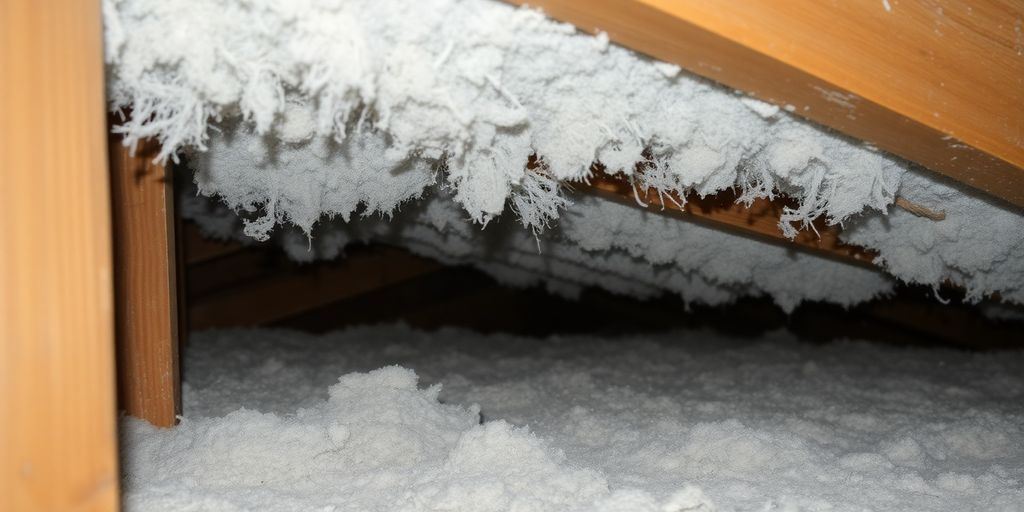
    Asbestos was a popular material for much of the 20th century because it’s strong, fire-resistant, and cheap. You could find asbestos in attic insulation, but also in a ton of other places. It was used in:

    • Building materials: Roofing, flooring, cement, insulation.
    • Automotive parts: Brake linings, clutch facings.
    • Textiles: Fireproof clothing, blankets.

    Its widespread use meant lots of people were exposed, leading to serious health problems later on.

    The Dangers of Asbestos in Attic Insulation

    Health Risks Associated with Asbestos Exposure

    Asbestos, when lurking in your attic insulation, isn’t just a minor inconvenience; it’s a serious health hazard. The real trouble starts when asbestos fibers become airborne. Inhalation is the primary concern. Once these tiny fibers are inhaled, they can lodge in the lungs and other organs. This can lead to a range of severe health problems.

    Symptoms of Asbestos-Related Diseases

    Spotting asbestos-related diseases early can be tricky because the symptoms often take years, even decades, to show up. But being aware of the potential signs is important. Here are some things to watch out for:

    • Persistent coughing or wheezing
    • Shortness of breath, even with minimal exertion
    • Chest pain or tightness
    • Fatigue and weakness
    • Unexplained weight loss

    If you notice any of these symptoms, especially if you suspect asbestos exposure, it’s crucial to consult a doctor right away. Early detection can make a big difference in managing these conditions. Remember, asbestos-related diseases can be sneaky, so don’t ignore persistent health issues. Keeping insulation undisturbed significantly lowers the risk of exposure.

    Long-Term Effects of Asbestos Inhalation

    The long-term effects of breathing in asbestos can be devastating. It’s not just about immediate symptoms; it’s about the potential for developing life-threatening diseases years down the line. Here are some of the most serious conditions linked to asbestos exposure:

    • Asbestosis: This is a chronic lung disease caused by asbestos fibers scarring the lung tissue. It leads to shortness of breath and can be fatal.
    • Lung Cancer: Asbestos exposure significantly increases the risk of developing lung cancer, especially in smokers.
    • Mesothelioma: This is a rare and aggressive cancer that affects the lining of the lungs, abdomen, or heart. It’s almost exclusively caused by asbestos exposure.
    • Other Cancers: There’s also evidence linking asbestos to an increased risk of other cancers, including ovarian and laryngeal cancer.

    It’s a grim picture, but understanding these risks is the first step in protecting yourself and your family. If you suspect asbestos in your home, take it seriously and get it checked out.

    Identifying Asbestos in Attic Insulation

    Common Signs of Asbestos Insulation

    Okay, so you’re worried about asbestos in your attic insulation? I get it. It’s not always super obvious to spot, but there are a few things to look for. One of the big clues is the age of your house. If it was built before the 1980s, there’s a higher chance asbestos might be lurking somewhere.

    • Look for insulation that looks like loose, fluffy fill. This is often vermiculite insulation, and some brands were contaminated with asbestos.
    • Another type is asbestos cement, which is hard and gray.
    • Also, be on the lookout for materials that look damaged or disturbed. When asbestos materials are damaged, they may reveal small, fuzzy fibers resembling frayed fabric.

    Testing Methods for Asbestos

    Alright, so you’ve spotted something that looks suspicious. What’s next? Well, the only way to know for sure if it’s asbestos is to get it tested. Don’t try to mess with it yourself! That’s a big no-no.

    • First, you’ll need to collect a sample. Some people try to do this themselves, but honestly, it’s best to have a pro do it to avoid exposure.
    • The sample then goes to a lab where they use fancy equipment like transmission electron microscopy to analyze it.
    • The lab will send you a report saying whether or not asbestos is present and, if so, what type it is. Remember, asbestos testing requires collecting samples from home materials, which are then analyzed by experts.

    Professional Inspection Services

    Honestly, if you’re even a little bit concerned, just call in the pros. Seriously. It’s not worth risking your health to save a few bucks. A qualified asbestos inspector will come to your house and do a thorough assessment. They know exactly what to look for and where to look. Plus, they have the right equipment and training to handle asbestos safely. They’ll take samples, send them to a lab, and give you a detailed report. They can also advise you on the best course of action if asbestos is found, whether that’s encapsulation or removal. It might cost a bit, but peace of mind? Priceless.

    Legal Regulations Surrounding Asbestos

    Federal Regulations on Asbestos

    The federal government has put quite a few rules in place to try and keep people safe from asbestos exposure. It’s not a free-for-all; there are definitely some serious guidelines that companies and homeowners need to follow. The Environmental Protection Agency (EPA) is a big player here, setting standards and enforcing them. They’ve even banned some uses of asbestos, though it’s not a complete ban, which can be confusing. You can find more information on the EPA’s final rule regarding asbestos and how it affects you.

    State-Specific Asbestos Laws

    While the federal government sets a baseline, individual states can (and often do) have their own asbestos laws that are even stricter. What’s legal in one state might be a big no-no in another, so it’s important to know what the rules are where you live. These state laws can cover things like:

    • Licensing requirements for asbestos removal contractors
    • Notification requirements before starting a renovation project
    • Specific disposal procedures for asbestos-containing materials

    It’s always a good idea to check with your state’s environmental agency or department of health to get the most up-to-date information. They usually have websites or hotlines you can call.

    Liability Issues for Homeowners

    If you’re a homeowner and you know (or even suspect) that your house has asbestos, you could be opening yourself up to some serious liability issues. If you don’t disclose the presence of asbestos when you sell your home, you could be sued by the buyer later on. Also, if you hire someone to do work on your home and they get exposed to asbestos because you didn’t warn them, you could be held responsible. The Asbestos NESHAP regulation is designed to protect public health by controlling asbestos emissions during demolition and renovation, so it’s worth understanding your responsibilities under these rules. It’s a good idea to consult with a lawyer who specializes in asbestos litigation to understand your potential liabilities and how to protect yourself.

    Safe Removal of Asbestos Insulation

    DIY Removal Risks

    Taking on asbestos insulation removal yourself? It might seem like a way to save some cash, but honestly, it’s usually not worth the risk. Asbestos is super dangerous when disturbed, and if you don’t know what you’re doing, you could end up releasing a ton of fibers into the air. These fibers can stick around for a long time and cause serious health problems down the road. Plus, there are a bunch of regulations about how asbestos needs to be handled and disposed of, and you could get into trouble if you don’t follow them. It’s a tricky situation, and it’s often better to leave it to the pros. Safe work practices for asbestos management emphasize the importance of using wet cleaning methods.

    Hiring Professional Asbestos Abatement Services

    When it comes to asbestos, hiring a professional abatement service is often the smartest move. These guys are trained to handle asbestos safely and have the right equipment to do the job without putting anyone at risk. They know all the regulations and will make sure everything is done by the book. Plus, they’ll take care of the disposal, so you don’t have to worry about that either. It might cost more upfront, but it’s a small price to pay for peace of mind and the health of your family. Contractors involved in asbestos removal should prioritize safety by utilizing appropriate personal protective equipment.

    Post-Removal Safety Measures

    So, the asbestos is gone – great! But the job’s not quite done yet. After the removal, it’s super important to make sure everything is clean and safe. This usually involves a thorough inspection to check for any remaining fibers. The pros will often use special air monitoring equipment to make sure the air is clear. You might also need to have the area sealed off to prevent any future contamination. It’s all about making sure your home is safe and healthy for everyone. Here are some key steps:

    • Air Clearance Testing: This confirms that the air is free of asbestos fibers.
    • Visual Inspection: A professional will visually inspect the area to ensure no visible asbestos remains.
    • Proper Disposal Documentation: Ensure you receive documentation confirming proper disposal of asbestos waste at an approved facility. Liability is a big deal here.

    Preventive Measures for Asbestos Exposure

    Sealing Asbestos Insulation

    If you find asbestos in your attic insulation and removal isn’t immediately possible, sealing it might be an option. This involves covering the asbestos-containing material with a protective barrier to prevent fibers from becoming airborne. It’s not a permanent solution, but it can reduce the risk of exposure. You should consider:

    • Using a sealant specifically designed for asbestos encapsulation.
    • Ensuring the sealant is applied evenly and completely covers the affected area.
    • Regularly inspecting the sealed area for any damage or deterioration.

    Regular Inspections and Maintenance

    Regular checks of your attic can help catch potential asbestos issues early. Look for any signs of damage or disturbance to the insulation. Early detection can prevent bigger problems down the road. It’s a good idea to:

    • Schedule professional inspections, especially if you suspect asbestos is present. Testing for asbestos is crucial before disturbing materials.
    • Check for any water damage or leaks that could compromise the insulation.
    • Ensure proper ventilation in the attic to prevent moisture buildup.

    Educating Homeowners on Asbestos Risks

    Knowing the risks associated with asbestos is the first step in protecting yourself and your family. Make sure everyone in your household understands the dangers and knows how to identify potential asbestos-containing materials. It’s important to:

    • Learn about the common places asbestos can be found in homes.
    • Understand the health risks associated with asbestos exposure, such as mesothelioma. To prevent mesothelioma, avoid using pressurized air for asbestos dust removal and instead use a HEPA vacuum.
    • Know what to do if you suspect you’ve found asbestos in your home.

    Impact of Asbestos on Property Value

    Market Perception of Asbestos-Containing Homes

    Homes known to contain asbestos often face a tough time on the market. Many potential buyers are wary of the health risks and the costs associated with asbestos removal. This wariness can lead to lower offers or longer periods on the market. It’s just a fact that people get nervous when they hear the word “asbestos,” and that nervousness translates into less interest in the property. It’s not always fair, but it’s the reality.

    Cost Implications of Asbestos Removal

    Removing asbestos isn’t cheap. The price can vary widely depending on the amount of asbestos, its location, and the local regulations. Here are some things that affect the price:

    • Inspection fees
    • Abatement costs
    • Disposal fees

    These costs can significantly impact a homeowner’s budget, especially if the asbestos issue is discovered during a sale. It might even make sense to just lower the asking price instead of dealing with the removal yourself. It’s a tough call, and it really depends on the specific situation.

    Insurance Considerations for Asbestos

    Getting insurance for a home with asbestos can be tricky. Some insurance companies might refuse coverage altogether, while others might offer it at a higher premium. It’s important to be upfront with your insurance company about any asbestos issues. Here’s what to keep in mind:

    • Disclose any known asbestos
    • Understand policy exclusions
    • Shop around for the best rates

    Not disclosing asbestos can lead to serious problems down the road, including denial of claims. It’s always better to be honest and find a policy that works for your specific needs. You might want to check out the federal regulations on asbestos to make sure you’re in compliance.

    Asbestos and Home Renovations

    Risks During Renovation Projects

    Renovating a home can be exciting, but it’s important to be aware of potential hazards, especially if the house was built before the 1980s. Asbestos was commonly used in many building materials, and disturbing these materials during renovations can release asbestos fibers into the air. This poses a significant health risk to anyone in the vicinity. It’s not just old insulation you need to worry about; asbestos could be in flooring, ceiling tiles, siding, and even some types of paint.

    Best Practices for Safe Renovation

    To minimize the risk of asbestos exposure during renovations, there are several steps you can take:

    • Always have the area tested for asbestos before starting any work. This is the most important step. Knowing where asbestos is present allows you to plan accordingly.
    • If asbestos is found, don’t try to remove it yourself unless you are properly trained and equipped. Handle potential asbestos safely by hiring a certified asbestos abatement contractor.
    • If you are doing minor work and asbestos is present but undisturbed, take precautions to prevent it from becoming airborne. This might involve sealing off the area with plastic sheeting and using a HEPA filter vacuum to clean up any dust.
    • Wear appropriate personal protective equipment (PPE), including a respirator, gloves, and disposable clothing, if you are working in an area where asbestos may be present.

    Permits and Notifications Required

    Depending on where you live and the scope of your renovation project, you may need to obtain permits or notify regulatory agencies before starting work. Many states and local governments have specific regulations regarding asbestos removal and disposal. Failing to comply with these regulations can result in hefty fines and legal trouble. It’s always a good idea to check with your local building department or environmental agency to determine what requirements apply to your project. Ignoring these rules can lead to serious consequences.

    Resources for Asbestos Awareness

    Government Agencies and Organizations

    Several government bodies and organizations provide information and resources regarding asbestos. The EPA offers extensive details on asbestos identification, risks, and regulations. The Consumer Product Safety Commission (CPSC) also provides data on asbestos in consumer products. The Occupational Safety and Health Administration (OSHA) has resources aimed at protecting workers from asbestos fibers in the workplace. These agencies are good places to start when seeking reliable information.

    Support Groups for Affected Individuals

    Dealing with asbestos-related diseases can be incredibly challenging, and support groups can offer a sense of community and understanding. These groups provide a space for individuals and families to share experiences, learn about treatment options, and find emotional support. Many national organizations have local chapters that host meetings and provide resources. Online forums and communities also exist, offering a convenient way to connect with others facing similar challenges. It’s important to find a group that feels right for you and your specific needs. Finding support can make a big difference.

    Educational Materials on Asbestos

    Understanding the risks associated with asbestos is the first step in protecting yourself and your family. Numerous educational materials are available from various sources. These materials cover a wide range of topics, including:

    • Asbestos identification
    • Health risks
    • Safe handling practices
    • Regulations

    These resources can be found in the form of brochures, websites, videos, and training programs. Taking the time to review these materials can help you make informed decisions about asbestos awareness and safety.

    Websites for Legal

    Mesothelioma Hope

    www.weitzlux.com

    Ferraro Law Group

    Cure Meso

    Mesothelioma Help

    Mesothelioma Group

    Lanier Law Firm

    Mesothelioma Hub

    mesotheliomaguide.com

    Gori Law

  • Erb’s Palsy and Its Legal Implications

    Erb’s Palsy and Its Legal Implications

    Defining Erb’s Palsy and Its Causes

    Erb’s palsy, also known as brachial plexus palsy, is a condition that arises from damage to the network of nerves near the neck, which control arm movement. This injury typically occurs during birth, often due to complications such as shoulder dystocia. Medical negligence is a common cause, where improper handling during delivery can lead to nerve damage. Some specific errors include excessive pulling on the infant’s head or using tools like forceps incorrectly.

    Legal Grounds for Filing an Erb’s Palsy Lawsuit

    Parents can file an Erb’s palsy lawsuit if their child’s injury was preventable and resulted from medical malpractice. The legal action seeks to hold healthcare providers accountable for their negligence. Key grounds for filing include:

    • Failure to perform a timely cesarean section despite evident risk factors.
    • Mismanagement of shoulder dystocia during delivery.
    • Inappropriate use of delivery tools like vacuum extractors.

    The Role of Medical Malpractice in Erb’s Palsy Cases

    Medical malpractice plays a significant role in many Erb’s palsy cases. It occurs when healthcare professionals fail to meet the standard of care, leading to injury. For example, if a doctor applies excessive force, it can stretch or tear the brachial plexus nerves. Legal actions not only aim to secure compensation for affected families but also serve as a deterrent against future negligence. For families in Illinois and Missouri, The Gori Law Firm provides specialized legal support to navigate these complex cases effectively.

    Initial Steps in Pursuing an Erb’s Palsy Lawsuit

    Obtaining a Free Legal Consultation

    The first move when considering an Erb’s Palsy lawsuit is to seek a free legal consultation. This initial consultation is crucial to determine if there are grounds for a case. Experienced attorneys in this field can assess the situation at no cost, offering families a risk-free opportunity to explore their legal options. This step involves sharing details about the child’s condition and the circumstances surrounding the injury with a legal expert. The Birth Injury Lawyers Group offers such consultations, helping families across the nation.

    Gathering Essential Evidence for Your Case

    Once it’s established that a case might exist, the next step is gathering evidence. This is a collaborative effort between the family and their legal team. Essential pieces of evidence include:

    • Birth records that detail the labor and delivery process.
    • Diagnostic tests that confirm nerve damage or specific injuries.
    • Maternal medical records, highlighting any pregnancy complications or risk factors.
    • Expert medical reports that link the injury to potential negligence.
    • Witness statements from those present during delivery.

    This evidence is fundamental in building a strong case and identifying liable parties.

    Determining Eligibility for Filing a Lawsuit

    Eligibility to file an Erb’s Palsy lawsuit hinges on several factors, primarily the statute of limitations, which varies by state. It’s essential to act promptly to ensure that legal rights are preserved. Consultation with a lawyer can clarify these timelines and help families understand their eligibility. Additionally, the legal team will evaluate the severity of the injury and the degree of negligence involved, which are key components in determining the viability of a lawsuit.

    The Importance of Statutes of Limitations in Erb’s Palsy Cases

    Understanding State-Specific Deadlines

    When it comes to filing an Erb’s Palsy lawsuit, knowing the statute of limitations is essential. This legal term refers to the deadline by which a lawsuit must be filed. Each state has its own specific time frame, often ranging from one to three years from the date of injury or its discovery. Missing this deadline can mean losing the right to pursue compensation altogether. For instance, in Florida, parents typically have two years to take legal action. This timeframe is crucial for securing legal rights and compensation options for affected children.

    Consequences of Missing the Filing Deadline

    Failing to file within the statute of limitations can have serious repercussions. Once the deadline passes, families may be barred from seeking any legal remedy for their child’s condition. This means no compensation for medical expenses, therapy, or any other related costs. It’s a harsh reality that underscores the importance of acting swiftly and consulting with a legal expert early on.

    How to Ensure Timely Filing of Your Lawsuit

    To avoid missing the statute of limitations, it’s important to take proactive steps:

    • Consult a specialized attorney: They can provide guidance on the specific deadlines that apply to your case.
    • Gather necessary documents: Collect medical records, expert testimonies, and any evidence of negligence as soon as possible.
    • Monitor deadlines: Keep track of important dates and ensure your legal team is aware of them.

    By following these steps, families can better position themselves to file their lawsuit on time and pursue the compensation their child deserves.

    Building a Strong Erb’s Palsy Case

    Collecting Medical Records and Expert Testimonies

    To build a strong case for an Erb’s palsy lawsuit, gathering comprehensive medical records is essential. These records can include everything from prenatal care notes to delivery room documentation. Medical records serve as a foundation for proving that medical negligence occurred. In addition to these records, expert testimonies from medical professionals can provide critical insights into how the injury happened and its long-term effects. These experts can explain complex medical information in a way that is understandable to a jury, strengthening the case.

    Evaluating the Severity of the Injury

    Understanding the extent of the injury is crucial in an Erb’s palsy lawsuit. This involves assessing how the injury affects the child’s ability to perform daily activities and its impact on their future. Medical evaluations and reports can help determine the severity of the injury. Sometimes, the injury might be mild, but in other cases, it could lead to permanent disability. Evaluating the severity helps in estimating the compensation needed for medical expenses, therapy, and other related costs.

    Assessing the Degree of Medical Negligence

    Determining whether medical negligence occurred is a key component of a successful Erb’s palsy lawsuit. This involves analyzing the actions of the healthcare providers during delivery. Did they fail to follow standard procedures? Was there an inappropriate use of force during delivery? Did they ignore potential risk factors? Answering these questions can help establish negligence. Working with Chicago brachial plexus injury attorneys can aid in gathering and presenting compelling evidence against negligent healthcare providers, ensuring that victims receive the justice and compensation they deserve.

    Negotiating Settlements in Erb’s Palsy Lawsuits

    The Role of Settlement Negotiations

    In the realm of Erb’s palsy lawsuits, settlement negotiations play a pivotal role in securing compensation for affected families. These negotiations are often preferred over trial proceedings due to their ability to provide quicker resolutions and reduce the emotional strain on families. During this process, both parties—the family and the medical provider—engage in discussions to reach a mutually agreeable amount that compensates for the child’s medical needs and any emotional distress experienced by the family.

    Factors Influencing Settlement Amounts

    Several factors can influence the amount of a settlement in an Erb’s palsy case:

    • Severity of the Injury: More severe injuries that require extensive medical treatment or result in long-term disability typically lead to higher settlements.
    • Evidence of Medical Negligence: Strong evidence showing that the medical provider’s actions directly caused the injury can significantly impact the settlement amount.
    • Future Medical Needs: The anticipated costs of future medical care, therapies, and potential surgeries are considered when determining the settlement.

    Benefits of Reaching a Settlement

    Settling an Erb’s palsy lawsuit offers numerous benefits for families. Firstly, settlements provide a faster route to compensation, enabling families to cover medical expenses and other related costs promptly. Secondly, settlements can be less stressful than trials, as they avoid the unpredictability of a court verdict. Lastly, reaching a settlement can help families move forward, knowing they have secured financial support for their child’s ongoing care and needs.

    For families dealing with Erb’s palsy due to medical malpractice, Erb’s palsy law firms can be instrumental in guiding them through the settlement process, ensuring fair compensation and holding negligent parties accountable.

    Taking an Erb’s Palsy Case to Trial

    When Settlement Negotiations Fail

    Sometimes, despite the best efforts of legal teams, reaching a settlement in an Erb’s palsy lawsuit isn’t possible. This situation can arise when the parties involved cannot agree on the compensation amount or if one party believes the case should be evaluated by a court. When negotiations hit a standstill, taking the case to trial becomes necessary. In such instances, the role of specialist solicitors becomes crucial as they guide families through the complex legal landscape, ensuring their voices are heard and their cases are robustly presented.

    The Trial Process Explained

    Embarking on a trial involves several stages, each demanding thorough preparation and understanding. Initially, both parties engage in pre-trial activities, which include gathering evidence and selecting a jury. Once the trial begins, the plaintiff’s attorney presents the case, showcasing evidence and calling witnesses to testify. The defense follows suit, challenging the claims and presenting their side. Throughout this process, the judge plays a pivotal role, overseeing proceedings and ensuring fairness.

    Key stages of the trial include:

    1. Jury Selection – Choosing impartial individuals to evaluate the evidence.
    2. Opening Statements – Each side outlines their case to the jury.
    3. Presentation of Evidence – Lawyers present documents, call witnesses, and provide expert testimonies.
    4. Closing Arguments – Summarizing the case and persuading the jury towards a favorable verdict.
    5. Jury Deliberation and Verdict – The jury discusses the case and reaches a decision.

    Potential Outcomes of a Court Trial

    The outcome of a trial can vary significantly. If the jury finds in favor of the plaintiff, the family might receive compensation for medical expenses, ongoing care, and other damages related to the injury. This compensation can be life-changing, providing much-needed financial support. In some instances, if negligence is proven, it can lead to policy changes within medical institutions, preventing future occurrences. However, if the verdict favors the defendant, the plaintiff might not receive any compensation, and the decision could potentially be appealed.

    A notable case involved a medical malpractice case where a $1 million settlement was awarded after a trial. The case underscored the importance of addressing potential delivery complications, especially when medical professionals overlook critical factors like gestational diabetes.

    In conclusion, while trials are often lengthy and demanding, they can be an essential path to justice for families affected by Erb’s palsy. The decision to proceed to trial should be made with careful consideration and the guidance of experienced legal professionals.

    Understanding the Timeline of an Erb’s Palsy Lawsuit

    Factors Affecting the Duration of a Lawsuit

    The timeline of an Erb’s palsy lawsuit can vary widely, often ranging from several months to over a year. Several factors can influence this duration, including the complexity of the case, the amount of evidence, and the willingness of the opposing party to negotiate a settlement. Cases that involve extensive medical records or require multiple expert testimonies may take longer to resolve. Additionally, if the lawsuit progresses to trial, this can extend the timeline significantly due to court schedules and potential appeals.

    Typical Phases of the Legal Process

    1. Initial Consultation and Case Review: This is where families first meet with an attorney to discuss the potential of their case. It’s crucial to gather all relevant medical records and documentation at this stage.
    2. Filing the Complaint: Once the attorney determines there is a case, they will file a formal complaint in court. This step officially begins the lawsuit.
    3. Discovery Phase: During discovery, both parties exchange information, documents, and evidence. This phase can be lengthy as it involves depositions, interrogatories, and requests for documents.
    4. Settlement Negotiations: Many cases are resolved during this phase. Attorneys will negotiate with the opposing party to reach a fair settlement. If successful, this can significantly shorten the lawsuit timeline.
    5. Trial: If negotiations fail, the case will go to trial. Here, evidence is presented before a judge or jury, and a verdict is reached. Trials can be unpredictable and may prolong the legal process.

    How Long Do Erb’s Palsy Lawsuits Take?

    On average, Erb’s palsy lawsuits can take anywhere from several months to over a year to resolve. The timeline largely depends on whether a settlement is reached or if the case goes to trial. Cava Law Firm notes that reaching a settlement can expedite the process, allowing families to receive compensation more quickly. However, if the case proceeds to trial, it may take longer due to the intricacies of court proceedings. It’s important for families to work closely with their legal team to understand the timeline specific to their case and to ensure that all necessary steps are taken promptly.

    Financial Implications of Erb’s Palsy Lawsuits

    Average Settlement Amounts and Their Determinants

    When a family pursues legal action for Erb’s palsy, the financial outcomes can vary significantly. The average settlement for these cases often exceeds $1 million, reflecting the serious nature of the injury and the associated costs. However, the exact amount can be influenced by several factors, such as the severity of the child’s injury, the expected future medical expenses, and the degree of medical malpractice involved. Some notable settlements include $5 million for a Connecticut family and $2.75 million for a family from Pennsylvania. It’s important to remember that each case is unique, and outcomes can differ based on the specific circumstances.

    Cost of Legal Representation and Contingency Fees

    One of the concerns families might have when considering a lawsuit is the cost of legal representation. Fortunately, many law firms work on a contingency fee basis. This means they only get paid if they win the case, taking a percentage of the settlement amount as their fee. This arrangement allows families to seek justice without the burden of upfront legal costs. It’s essential to discuss these terms with a lawyer to understand how they apply to your specific situation.

    Financial Support for Families During the Legal Process

    The financial strain of dealing with Erb’s palsy can be overwhelming. Settlement funds can provide much-needed relief by covering medical expenses, therapy costs, and even compensating for lost income if parents need to take time off work. Additionally, some organizations offer financial assistance to families during the legal process, helping to ease the burden while they await a settlement. Families are encouraged to explore all available resources to ensure they can provide the best care for their child.

    The Impact of Erb’s Palsy Compensation on Families

    For families dealing with Erb’s palsy, financial compensation can be a lifeline. It can cover a wide range of medical treatments essential for the child’s recovery and quality of life. Compensation from Erb’s palsy lawsuits often provides the resources needed for surgeries, therapies, and ongoing medical care. Families can use these funds to pay for:

    • Physical therapy to improve muscle strength and coordination
    • Surgical procedures to repair nerve damage
    • Hydrotherapy sessions to enhance mobility in a low-impact environment

    These treatments are crucial, as early intervention can significantly improve outcomes for children with Erb’s palsy.

    Beyond immediate medical needs, settlements can help families plan for the future. A well-negotiated settlement can cover long-term costs, including:

    • Future medical expenses
    • Special education needs
    • Adaptive equipment and home modifications

    These provisions ensure that the child can lead as normal a life as possible, despite the challenges posed by Erb’s palsy. Erb’s palsy lawsuit settlements often reach substantial amounts, reflecting the seriousness of the condition and the long-term care required.

    The emotional toll of dealing with a birth injury like Erb’s palsy is immense. Financial compensation can alleviate some of the stress by ensuring that parents don’t have to worry about the cost of care. It provides the means to access mental health support for both the child and the family, which is often necessary to cope with the emotional challenges. In many cases, knowing that they have the financial backing to provide the best possible care for their child offers families a sense of relief and stability.

    Overall, while compensation cannot undo the trauma of a birth injury, it plays a vital role in supporting families through difficult times and helping them secure a better future for their child.

    Choosing the Right Legal Representation for Your Case

    Qualities to Look for in an Erb’s Palsy Lawyer

    When seeking legal representation for an Erb’s Palsy case, it’s vital to find a lawyer who specializes in birth injury cases. Experience in handling similar cases can be a game changer. Look for these key attributes:

    • Expertise in medical malpractice and birth injury law.
    • Strong track record of successful outcomes in Erb’s Palsy lawsuits.
    • Compassionate and understanding approach to dealing with sensitive family matters.

    The Importance of Experience in Birth Injury Cases

    A lawyer’s experience in birth injury cases is crucial. They should have:

    1. Extensive knowledge of medical terms and procedures related to childbirth.
    2. Ability to collaborate with medical experts to build a solid case.
    3. Proven negotiation skills to effectively handle settlements or courtroom trials.

    How to Find a Reputable Law Firm

    Finding a reputable law firm involves research and diligence. Consider the following steps:

    • Seek recommendations from trusted sources who have faced similar legal challenges.
    • Check online reviews and ratings of law firms specializing in birth injuries.
    • Schedule consultations to discuss your case and evaluate the firm’s approach.

    If your baby experienced Erb’s palsy during childbirth, you might be eligible for compensation. It’s important to contact a qualified lawyer for a free consultation to explore your legal options.

    Frequently Asked Questions About Erb’s Palsy Lawsuits

    Who Can File an Erb’s Palsy Lawsuit?

    Families whose children have been diagnosed with Erb’s palsy due to potential medical negligence may consider filing a lawsuit. Typically, the legal action is initiated by the parents or guardians of the affected child. It is essential to consult with a legal expert to determine eligibility, as the specifics of each case can vary significantly. Those who suspect that a medical error during delivery led to their child’s condition should seek a free case review to explore their legal options.

    What to Expect During the Legal Process

    Embarking on a legal journey for an Erb’s palsy case involves several stages. Initially, families will engage with a legal team to discuss the details of their situation. This is often followed by:

    1. Consultation: An initial meeting with a lawyer to assess the viability of the case.
    2. Evidence Gathering: Collecting medical records, expert testimonies, and other relevant documents.
    3. Negotiation: Attempting to reach a settlement with the involved parties before proceeding to court.

    While many cases are settled out of court, your legal team will be prepared to represent you in trial if necessary.

    How to Get Started with a Free Case Review

    Initiating a legal claim can be daunting, but starting with a free case review can simplify the process. This initial step involves:

    • Contacting a specialized law firm that handles Erb’s palsy cases.
    • Sharing your child’s medical history and details of the birth.
    • Discussing the potential for a lawsuit with legal experts.

    A free case review not only helps determine if you have a viable claim, but it also provides insight into the legal process without any financial obligation.

  • Garrick McFadden on Pioneering a Black-Owned Car Accident Law Firm in Phoenix

    Interviewer: Thank you for joining us today, Mr. McFadden. You’ve established GAMESQ, PLC, a black-owned Phoenix car accident law firm. What inspired you to create this firm?

    Garrick McFadden: Thank you for having me. The decision to create a black-owned Phoenix car accident law firm stemmed from my desire to address a significant gap in legal representation for our community. I noticed that many African Americans in Arizona were being underserved or even taken advantage of by non-black lawyers, particularly in car accident cases.

    Interviewer: Can you elaborate on the issues you observed?

    Garrick McFadden: Certainly. I’ve had numerous people call me after being injured in car accidents, asking why their lawyers were keeping so much money while they received so little compensation. Often, these clients were sent to medical providers with whom their attorneys had business relationships, resulting in everyone profiting except the injured black client. This pattern of exploitation needed to change.

    Interviewer: How does GAMESQ, PLC differ from other law firms in Phoenix?

    Garrick McFadden: As a black-owned Phoenix car accident law firm, we prioritize transparency, fairness, and genuine care for our clients. We don’t send our clients to specific medical providers for our benefit. Instead, we focus on ensuring our clients receive the care they need to heal and the compensation they deserve. Our approach is about empowering our clients with information and fighting for their best interests.

    Interviewer: You mentioned the underserved black population in Arizona. How does your firm address this issue?

    Garrick McFadden: Many African Americans from various parts of the country move to Arizona and find a lack of black legal representation. GAMESQ, PLC aims to fill this void. We understand the unique challenges our community faces and bring a perspective that many other firms simply can’t offer. Our goal is to provide top-tier legal representation while also serving as a pillar of support for the black community in Phoenix.

    Interviewer: Your educational background is quite impressive. How does this influence your practice?

    Garrick McFadden: I’m fortunate to have graduated from a top 20 law school, which is relatively rare among Phoenix car accident lawyers. This education, combined with my Master’s in Business Taxation, allows me to approach cases with a unique blend of legal acumen and financial strategy. It enables me to create settlements that put more money into my clients’ pockets, which is crucial in personal injury cases.

    Interviewer: Can you share more about your experience and how it benefits your clients?

    Garrick McFadden: Absolutely. I’ve been practicing law for over 17 years and have handled personal injury cases in almost every county in Arizona. I’ve taken and defended over 500 depositions and tried over eight civil jury trials. This extensive experience allows me to anticipate challenges, negotiate effectively with insurance companies, and provide robust representation in court when necessary.

    Interviewer: As a black-owned Phoenix car accident law firm, how do you see your role in the broader context of social justice?

    Garrick McFadden: Our firm isn’t just about winning cases; it’s about promoting equity and justice in the legal system. We strive to be a voice for those who have been historically marginalized or overlooked. By providing excellent legal representation and advocating for our clients’ rights, we’re contributing to a more just and equitable society.

    Interviewer: What message do you have for potential clients who might be considering your firm?

    Garrick McFadden: I want them to know that at GAMESQ, PLC, they’re not just getting a lawyer; they’re getting an advocate who understands their experiences and is committed to fighting for their rights. We bring the best of all worlds to create a unique and powerful black-owned law firm that works for everyone, regardless of race. Our goal is to ensure that survivors of Phoenix car accidents get the legal representation they need and deserve.

    Interviewer: Finally, what are your hopes for the future of GAMESQ, PLC and other black-owned law firms in Phoenix?

    Garrick McFadden: My hope is that GAMESQ, PLC will continue to grow and serve as a model for other black-owned law firms in Phoenix and beyond. I want to see more diversity in the legal profession, particularly in leadership roles. By providing excellent service and achieving positive outcomes for our clients, we demonstrate black-owned law firms’ value and necessity. Ultimately, I hope our success will inspire more African American lawyers to establish their practices and contribute to a more diverse and representative legal landscape in Arizona.

    Interviewer: Thank you for sharing your insights and vision with us, Mr. McFadden. Your commitment to justice and community service through your black-owned Phoenix car accident law firm is truly inspiring.

    Garrick McFadden: Thank you for the opportunity to share our story. We’re committed to serving our community and look forward to continuing our work in Phoenix and beyond.

  • How to Choose the Best Long Island Car Accident Lawyer

    When you’ve been in a car accident on Long Island, finding the right lawyer can make all the difference. A good car accident lawyer not only helps you understand your legal rights but also guides you through the process to get the compensation you deserve. This guide will walk you through everything you need to know to choose the best long island car accident lawyer for your needs.

    Understanding Why You Need a Car Accident Lawyer

    After a car accident, you might be dealing with injuries, vehicle damage, and emotional stress. A car accident lawyer specializes in helping you get through this tough time. They can negotiate with insurance companies, gather evidence, and represent you in court if needed. This ensures you can focus on your recovery while they handle the legal complexities.

    Researching Potential Lawyers

    The first step in finding the right lawyer is doing your homework. Start by looking for lawyers who specialize in car accidents. You can search online, ask for recommendations from friends or family, or check local bar association listings. Make a list of potential candidates and take note of their experience, reputation, and client reviews.

    Checking Credentials and Experience

    When it comes to legal representation, experience matters. Look for lawyers who have handled car accident cases similar to yours. Check their credentials, such as their education, bar association membership, and any awards or recognitions. An experienced lawyer is more likely to understand the nuances of car accident cases and can better advocate for your interests.

    Reading Client Reviews and Testimonials

    Client reviews and testimonials provide valuable insights into a lawyer’s performance and client satisfaction. Look for reviews on the lawyer’s website, Google, and legal review sites like Avvo. Pay attention to comments about the lawyer’s communication, responsiveness, and success in handling car accident cases. Positive reviews from past clients can give you confidence in your choice.

    Evaluating Communication and Availability

    Effective communication is crucial when working with a lawyer. During your initial consultation, pay attention to how the lawyer communicates. Are they listening to your concerns? Do they explain legal terms in a way you can understand? Also, consider their availability. Will they be easily reachable when you have questions or need updates on your case?

    Considering Legal Fees and Payment Structures

    Understanding the lawyer’s fee structure is essential before making a decision. Most car accident lawyers work on a contingency fee basis, meaning they only get paid if you win your case. Confirm the percentage they charge and any additional costs you might incur. Clear communication about fees upfront can prevent any surprises later on.

    Meeting for an Initial Consultation

    Many lawyers offer free initial consultations. Use this opportunity to meet with potential lawyers and discuss your case. Prepare a list of questions to ask, such as their experience with similar cases, their approach to handling car accident claims, and their assessment of your case. This meeting will help you gauge whether the lawyer is a good fit for you.

    Assessing the Lawyer’s Approach and Strategy

    During the consultation, ask the lawyer about their strategy for your case. A good lawyer will outline a clear plan, including investigating the accident, gathering evidence, negotiating with insurance companies, and preparing for trial if necessary. Understanding their approach will give you confidence in their ability to handle your case effectively.

    Checking for Specialized Knowledge

    Car accident cases can involve complex issues like medical records, accident reconstruction, and insurance policies. Look for a lawyer who has specialized knowledge and experience in these areas. They should be able to explain how they will use this expertise to build a strong case on your behalf.

    Understanding the Lawyer’s Track Record

    A lawyer’s track record of success is a strong indicator of their capability. Ask about their past cases and outcomes. How many cases have they won? What kind of settlements or verdicts have they achieved for their clients? A proven track record demonstrates their ability to effectively represent clients in car accident cases.

    Ensuring Comfort and Trust

    Trust and comfort are essential when working with a lawyer. You should feel confident that your lawyer is working in your best interest and that they have your back. Trust your instincts during the consultation. If something feels off, it might be worth considering other options.

    Making Your Decision

    After meeting with potential lawyers and gathering all the necessary information, it’s time to make your decision. Choose a lawyer who not only has the experience and expertise but also makes you feel comfortable and confident in their abilities. Remember, the right lawyer can significantly impact the outcome of your case.

    Taking the Next Step

    Once you’ve chosen your lawyer, move forward with confidence. They will guide you through the legal process, helping you seek the compensation you deserve and providing peace of mind during a challenging time.

    Finding the best Long Island car accident lawyer doesn’t have to be overwhelming. By following these steps, you can make an informed decision and choose a lawyer who will effectively advocate for your rights. If you’re ready to take the next step, reach out to a trusted lawyer today and start your journey towards justice and recovery.

  • Securing the Future: How Top Patent Law Firms are Shaping Innovation


    No company can stand the test of time without protecting its intellectual property. Whether it’s a pharmaceutical giant defending its new life-saving drug or a tech startup ensuring its cutting-edge software remains its asset, the services offered by patent law firms are indispensable. These firms employ an array of professionals, including attorneys specialized in patent prosecution, litigation, and licensing, as well as technical experts who can dissect and understand inventions across various domains.

    With the increasing complexity of technology and the global nature of innovation, firms’ expertise often extends beyond regional patent laws. They help clients maneuver the intricacies of intellectual property law in different jurisdictions, securing the broadest possible protection for their inventions.

    Nurturing Innovation Through Legal Expertise

    Patent law firms do more than just file paperwork or win court cases. They are critical partners in the innovation chain, transforming ideas into assets. By working closely with inventors and companies, patent attorneys play an advisory role in guiding research and development towards patentable innovations. They help identify what constitutes patentable subject matter, conduct prior art searches, and strategize on the best approaches to secure a strong patent position.

    These firms also invest heavily in their legal talent, updating their skills to reflect the changing technological landscape. They stay informed about court decisions, legislative changes, and international regulations that may impact their clients’ intellectual property rights. This continuous education ensures that they can offer the most innovative legal advice, matching the creative endeavors they support.

    Fostering Growth and Investment in Future Technologies

    From startups to multinational corporations, technology companies rely on patent law firms to attract investors and secure funding. A robust patent portfolio signals to investors not only that a company is innovative but also that it has a plan to protect its innovations. This is especially critical in industries with high research and development costs, as solid IP can provide significant leverage in negotiations and partnerships.

    Firms that specialize in patent law provide a range of services beyond the legalities of patenting, including intellectual property strategy development and portfolio management. These services help clients to leverage their IP and generate alternative revenue streams, such as through licensing or enforcement, thus serving to reinforce the link between innovation and business success.

    Conclusion

    Innovation is propelled forward not only by the creative processes within R&D departments but also by the legal frameworks that support and protect those processes. Patent law firms are at the nexus of these processes, ensuring that innovation is not just a spark but a flame that can be nurtured, sustained, and eventually shared across the world. By understanding the essential role they play, we can better appreciate the context in which futuristic technologies are developed and the institutions that make it all possible. Through their efforts, patent law firms not only secure the future of their clients but also play their part in securing the future of us all.

  • Securing the Future: How Top Patent Law Firms are Shaping Innovation

    In today’s fast-evolving marketplace, innovation is the lifeblood of competition. But innovation without protection is like pouring water into a basket—essential but not sustainable. For many forward-thinking companies, the key to securing their future lies in the hands of patent law firm. These organizations are not just the bastions of legal defense; they are the architects of a new era of innovation, playing a pivotal role in shaping the technological landscape and ensuring creators reap the benefits of their ingenuity.

    The Key Players in Intellectual Property Protection

    No company can stand the test of time without protecting its intellectual property. Whether it’s a pharmaceutical giant defending its new life-saving drug or a tech startup ensuring its cutting-edge software remains its asset, the services offered by patent law firms are indispensable. These firms employ an array of professionals, including attorneys specialized in patent prosecution, litigation, and licensing, as well as technical experts who can dissect and understand inventions across various domains.

    With the increasing complexity of technology and the global nature of innovation, firms’ expertise often extends beyond regional patent laws. They help clients maneuver the intricacies of intellectual property law in different jurisdictions, securing the broadest possible protection for their inventions.

    Nurturing Innovation Through Legal Expertise

    Patent law firms do more than just file paperwork or win court cases. They are critical partners in the innovation chain, transforming ideas into assets. By working closely with inventors and companies, patent attorneys play an advisory role in guiding research and development towards patentable innovations. They help identify what constitutes patentable subject matter, conduct prior art searches, and strategize on the best approaches to secure a strong patent position.

    These firms also invest heavily in their legal talent, updating their skills to reflect the changing technological landscape. They stay informed about court decisions, legislative changes, and international regulations that may impact their clients’ intellectual property rights. This continuous education ensures that they can offer the most innovative legal advice, matching the creative endeavors they support.

    Fostering Growth and Investment in Future Technologies

    From startups to multinational corporations, technology companies rely on patent law firms to attract investors and secure funding. A robust patent portfolio signals to investors not only that a company is innovative but also that it has a plan to protect its innovations. This is especially critical in industries with high research and development costs, as solid IP can provide significant leverage in negotiations and partnerships.

    Firms that specialize in patent law provide a range of services beyond the legalities of patenting, including intellectual property strategy development and portfolio management. These services help clients to leverage their IP and generate alternative revenue streams, such as through licensing or enforcement, thus serving to reinforce the link between innovation and business success.

    Conclusion

    Innovation is propelled forward not only by the creative processes within R&D departments but also by the legal frameworks that support and protect those processes. Patent law firms are at the nexus of these processes, ensuring that innovation is not just a spark but a flame that can be nurtured, sustained, and eventually shared across the world. By understanding the essential role they play, we can better appreciate the context in which futuristic technologies are developed and the institutions that make it all possible. Through their efforts, patent law firms not only secure the future of their clients but also play their part in securing the future of us all.

  • Securing the Future: How Top Patent Law Firms are Shaping Innovation

    In today’s fast-evolving marketplace, innovation is the lifeblood of competition. But innovation without protection is like pouring water into a basket—essential but not sustainable. For many forward-thinking companies, the key to securing their future lies in the hands of patent law firm. These organizations are not just the bastions of legal defense; they are the architects of a new era of innovation, playing a pivotal role in shaping the technological landscape and ensuring creators reap the benefits of their ingenuity.

    The Key Players in Intellectual Property Protection

    No company can stand the test of time without protecting its intellectual property. Whether it’s a pharmaceutical giant defending its new life-saving drug or a tech startup ensuring its cutting-edge software remains its asset, the services offered by patent law firms are indispensable. These firms employ an array of professionals, including attorneys specialized in patent prosecution, litigation, and licensing, as well as technical experts who can dissect and understand inventions across various domains.

    With the increasing complexity of technology and the global nature of innovation, firms’ expertise often extends beyond regional patent laws. They help clients maneuver the intricacies of intellectual property law in different jurisdictions, securing the broadest possible protection for their inventions.

    Nurturing Innovation Through Legal Expertise

    Patent law firms do more than just file paperwork or win court cases. They are critical partners in the innovation chain, transforming ideas into assets. By working closely with inventors and companies, patent attorneys play an advisory role in guiding research and development towards patentable innovations. They help identify what constitutes patentable subject matter, conduct prior art searches, and strategize on the best approaches to secure a strong patent position.

    These firms also invest heavily in their legal talent, updating their skills to reflect the changing technological landscape. They stay informed about court decisions, legislative changes, and international regulations that may impact their clients’ intellectual property rights. This continuous education ensures that they can offer the most innovative legal advice, matching the creative endeavors they support.

    Fostering Growth and Investment in Future Technologies

    From startups to multinational corporations, technology companies rely on patent law firms to attract investors and secure funding. A robust patent portfolio signals to investors not only that a company is innovative but also that it has a plan to protect its innovations. This is especially critical in industries with high research and development costs, as solid IP can provide significant leverage in negotiations and partnerships.

    Firms that specialize in patent law provide a range of services beyond the legalities of patenting, including intellectual property strategy development and portfolio management. These services help clients to leverage their IP and generate alternative revenue streams, such as through licensing or enforcement, thus serving to reinforce the link between innovation and business success.

    Conclusion

    Innovation is propelled forward not only by the creative processes within R&D departments but also by the legal frameworks that support and protect those processes. Patent law firms are at the nexus of these processes, ensuring that innovation is not just a spark but a flame that can be nurtured, sustained, and eventually shared across the world. By understanding the essential role they play, we can better appreciate the context in which futuristic technologies are developed and the institutions that make it all possible. Through their efforts, patent law firms not only secure the future of their clients but also play their part in securing the future of us all.

  • From Idea to Patent: How Lawyers Facilitate the Journey

    In the modern wave of innovation, ideas have become the currency of progress. Yet between the flicker of an original thought and the recognition of a patent, a complex and often daunting process looms. patent lawyer attorneys and agents, the unsung architects behind the scenes, play a vital role in shepherding inventors through this labyrinth of legal requirements and strategic maneuvering. This article unpacks the crucial steps that legal professionals guide inventors through in the patenting process and underscores their often-overlooked contributions to the innovation ecosystem.

    The Early Stages: Navigating Idea to Application

    An inventor’s first steps are critical but treacherous. The mere act of sharing an idea, unprotected, can inadvertently strip an inventor of future patent rights. Here, the guidance of a patent lawyer is invaluable. Lawyers assist with the articulation and documentation of the invention in a language and format that meets patent office standards. This includes drafting a patent application that intricately weaves a narrative of novelty, non-obviousness, and utility—cornerstones of patentability.

    Beyond the legal vernacular, patent lawyers provide strategic counsel, aiding inventors in decisions about the best time to file, whether to file a provisional or non-provisional application, and how to craft patent claims that establish a broad protection net without overreaching. In this lifeline of protection, patent lawyers act as translators, advocates, and architects of an idea’s legal blueprint.

    The Prosecution Process: From Application to Grant

    Once an application is filed, the path to patent grant is far from straightforward. The patent prosecution process is a series of negotiations with the patent office, involving responses to rejections, amendments, and potentially appeals. Patent lawyers act as diplomats, representing inventors’ interests and navigating the delicate balance between pushing claim scope and retaining validity.

    During prosecution, a lawyer’s role is multifaceted. They parse through the nuances of patent examination reports, translate legal jargon into actionable steps for their clients, and formulate responses that chart a course through the goodwill and the wary skepticism of patent examiners. This process, which can stretch over several years, requires patience, precision, and an intimate understanding of both the invention and the intricacies of patent law—a trifecta that patent lawyers are uniquely positioned to provide.

    Beyond the Grant: Enforcing and Monetizing Patents

    Securing a patent is just the beginning. The ultimate goal is often leveraging the patent’s monopoly right. Whether it’s commercializing a product, licensing the technology, or enforcing the patent against infringers, patent lawyers are central to these endeavors. They conceptualize and execute licensing agreements, conduct due diligence, and litigate infringement issues when necessary.

    An experienced patent attorney becomes a strategic partner post-grant, advising on market conditions, potential disputes, and the evolving value of the patent. In this capacity, patent lawyers become business allies, guiding inventors and companies on how to wield their patents to maximum effect—be it in the boardroom or the courtroom.

    In Conclusion: The Patent Lawyer as Inventors’ Ally

    The path from idea to patent is riddled with legal complexities that can derail even the most brilliant innovations. Patent attorneys and agents act as more than mere legal counsel; they are trusted guides, who, with each step, ensure that the flicker of an original thought is transformed into the secure flame of a granted patent. Their involvement is not only about navigating the legal minefields but also about shaping the commercial landscape in which an invention will thrive.

    For those braving the innovation frontier, partnering with a skilled patent attorney can mean the difference between lost opportunity and secured legacy. In acknowledging the indispensable role of patent lawyers, we honor not just the legal profession but the very essence of progress—that brief moment of synthesis when ink meets paper, and an idea is immortalized in law.