
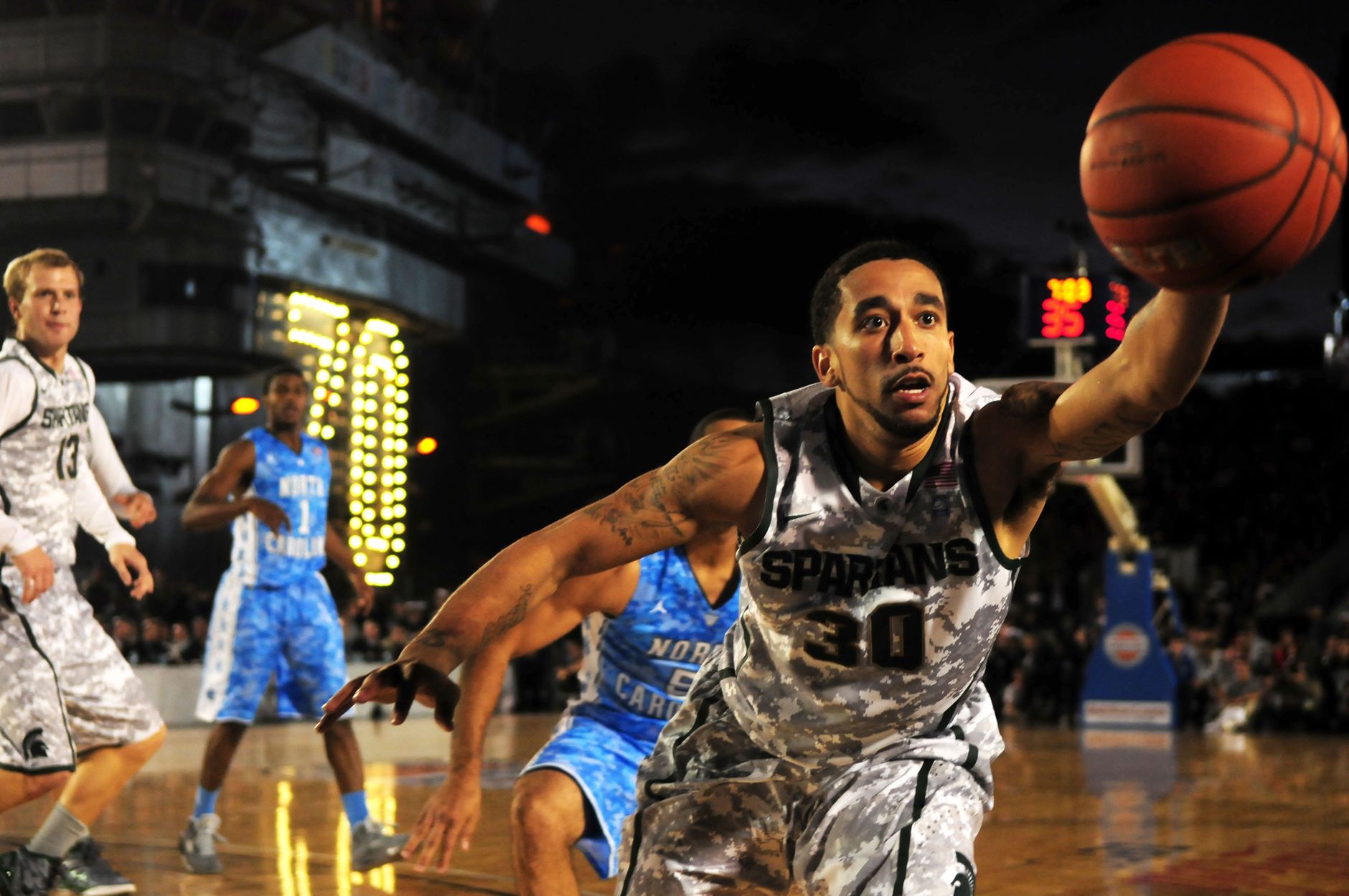
NCAA player eligibility lawsuit highlights the ongoing legal battles surrounding college athletes’ rights and state regulations. The recent lawsuit against the governor underscores the complexities of player eligibility in the NCAA.
Overview of the NCAA lawsuit
The ongoing NCAA player eligibility lawsuit has sparked significant debate surrounding the rights of student-athletes. It arises from a legal clash between the NCAA and state officials, particularly focusing on a recent executive order issued by the governor aimed at altering player eligibility rules. This executive order seeks to enhance opportunities for athletes, allowing them to profit from their name, image, and likeness.
As the lawsuit progresses, several key issues are emerging:
- Legal Precedents: The case could set important legal precedents regarding athlete rights and institutional regulations.
- State vs. Federal Authority: The conflict raises questions about the balance of power between state laws and NCAA regulations.
- Impact on Athletes: The outcome could significantly affect the future of college sports and player compensation.
As this lawsuit unfolds, its implications extend far beyond the courtroom, impacting the landscape of college athletics nationwide.
Implications for college athletes
The recent NCAA player eligibility lawsuit has significant implications for college athletes across the nation. As the legal battle unfolds, several key factors emerge that could reshape the landscape of college sports.
- Increased Scrutiny: The lawsuit brings heightened attention to the rules governing athlete eligibility, prompting discussions about fairness and equity in college athletics.
- Possible Reforms: Depending on the outcome, the lawsuit could lead to changes in NCAA policies that may make it easier for players to navigate eligibility requirements.
- Impact on Recruitment: Coaches and programs may need to adjust their recruiting strategies in response to new legal precedents, potentially altering the competition dynamics.
- Future Legal Challenges: This case may set the stage for additional lawsuits regarding player rights, further complicating the NCAA’s regulatory framework.
In conclusion, the NCAA player eligibility lawsuit has the potential to create lasting changes in the college sports landscape.
State executive order details
The recent NCAA player eligibility lawsuit has brought significant attention to state executive orders that affect college athletics. In a surprising move, the NCAA has filed a lawsuit against the governor of a state, challenging an executive order that allows student-athletes to profit from their name, image, and likeness (NIL). This executive order, established to enhance the rights of players, has raised questions about compliance with NCAA regulations.
The order outlines several key provisions:
- Compensation Rights: Athletes can receive payment for endorsements and sponsorships.
- Transparency Requirements: Schools must disclose any agreements made by athletes to the NCAA.
- Recruitment Guidelines: New rules are set to govern how athletes can be recruited based on their NIL agreements.
The legal ramifications of this executive order and the ensuing lawsuit could reshape the landscape of college athletics and player eligibility moving forward.
Legal precedents in player eligibility
The NCAA player eligibility lawsuit highlights several key legal precedents that could shape the future of college athletics. Historically, courts have ruled on issues concerning the rights of student-athletes and the authority of governing bodies like the NCAA. Notable cases include:
- O’Bannon v. NCAA: This landmark case challenged the NCAA’s restrictions on athlete compensation, paving the way for greater financial rights.
- NCAA v. Alston: In 2021, the Supreme Court ruled that the NCAA could not limit education-related benefits, reinforcing athletes’ rights.
- Northwestern University Football Players: A 2014 case where players sought unionization, emphasizing their status as employees.
These precedents may influence the outcome of the NCAA player eligibility lawsuit, as legal arguments increasingly focus on athletes’ rights and equity in college sports.
Reactions from NCAA officials
NCAA officials have expressed strong concerns regarding the recent NCAA player eligibility lawsuit, which challenges the association’s long-standing rules. In a statement, the NCAA emphasized the importance of maintaining uniform standards across college athletics to ensure fair competition.
Among the reactions:
- President Mark Emmert: “This lawsuit threatens the integrity of college sports, which relies on a level playing field.”
- Legal Counsel Sarah Johnson: “We believe that our regulations are essential for protecting student-athletes and upholding the mission of higher education.”
- Compliance Director Tom Richards: “The potential implications of this case could reshape how eligibility is determined, creating chaos in college athletics.”
As the NCAA navigates this legal challenge, officials remain focused on the potential repercussions it may have on future policies and the very fabric of college sports.
Future of NCAA regulations
The future of NCAA regulations is now under intense scrutiny following the ongoing NCAA player eligibility lawsuit. As legal battles unfold, the NCAA may face pressure to reevaluate its existing policies regarding athlete participation and eligibility. This situation has raised important questions about fairness and equity in college sports.
Stakeholders are closely watching how this lawsuit could reshape the regulatory landscape. Potential changes could include:
- Increased transparency: The NCAA may be compelled to provide clearer guidelines on player eligibility.
- Enhanced athlete rights: There may be a push for greater protections for student-athletes against arbitrary eligibility decisions.
- Interstate consistency: States may collaborate to create uniform eligibility standards to avoid confusion.
As the legal proceedings progress, the implications for both the NCAA and its athletes will continue to evolve, potentially redefining the framework of college sports.
Photo by Pixabay on Pexels