

UK sanction powers are being expanded to enable action against companies that support West Bank settlements. This development marks a significant shift in the UK’s approach to international law and human rights.
Overview of the New Sanction Powers
The recent expansion of the UK sanction powers marks a significant shift in the government’s approach to international relations, particularly concerning the ongoing conflict in the West Bank. These new measures aim to hold accountable those entities providing support to settlements deemed illegal under international law.
According to officials, the enhanced sanctions will target various sectors, focusing on:
- Businesses directly involved in settlement construction.
- Financial institutions facilitating transactions linked to settlement activities.
- Organizations providing logistical or operational support to settlement enterprises.
By implementing these sanctions, the UK government seeks to send a clear message about the importance of adhering to international legal standards and promoting peace in the region. The action is part of a broader strategy to curb activities that undermine the viability of a two-state solution and to support efforts for a lasting resolution.
As the UK strengthens its stance, it aligns itself with other nations advocating for responsible investment practices and the upholding of human rights. This proactive measure underscores the country’s commitment to addressing the complexities of the Israeli-Palestinian conflict through diplomatic means.
Impact on Companies Supporting Settlements
The recent expansion of UK sanction powers aims to address the growing concerns regarding companies that support settlements in the West Bank. This initiative is expected to have significant implications for various businesses involved in activities that facilitate these settlements.
Companies that directly or indirectly contribute to the establishment and maintenance of settlements may face various consequences, including:
- Financial Penalties: Firms could incur hefty fines if found in violation of the new sanctions.
- Reputation Damage: Association with settlement activities may lead to a tarnished public image, affecting customer trust and investor relations.
- Trade Restrictions: Sanctioned companies might face limitations in their ability to engage in trade with the UK, impacting their overall market reach.
Furthermore, the UK government has indicated that it will actively monitor compliance, and businesses are encouraged to reassess their operations in the region to avoid potential repercussions. The enforcement of these sanction powers highlights the UK’s commitment to addressing the complexities surrounding the Israeli-Palestinian conflict and promoting adherence to international law.
Legal Framework Behind the Sanctions
The legal framework behind the UK sanction powers is designed to ensure that actions taken against companies supporting settlements in the West Bank are both justified and legally sound. The UK government has implemented these measures in accordance with international law, emphasizing its commitment to uphold human rights and promote peace in the region.
At the core of this legal framework is the Sanctions and Anti-Money Laundering Act 2018, which provides the government with the authority to impose sanctions in response to violations of international humanitarian law. This legislation allows the UK to act independently of the European Union, enabling more agile responses to global crises.
In addition to the Sanctions and Anti-Money Laundering Act, the UK utilizes various international treaties and conventions to justify its actions. These include:
- UN Security Council Resolutions: Obligating member states to take measures against entities undermining peace.
- Geneva Conventions: Addressing the legality of settlements in occupied territories.
This comprehensive legal approach reinforces the UK’s stance on the issue and highlights its unique sanction powers aimed at curbing support for settlement activities.
Reactions from the International Community
The recent expansion of UK sanction powers has garnered significant attention from the international community, prompting a range of reactions from various stakeholders.
Many foreign governments have expressed support for the UK’s decisive stance against companies that aid in the establishment of settlements in the West Bank. A spokesperson for the European Union emphasized the importance of adhering to international law, stating that such measures reinforce the EU’s commitment to a two-state solution.
In contrast, some nations have criticized the UK’s approach, arguing that these sanctions could hinder peace negotiations and exacerbate tensions in the region. A representative from the United States highlighted concerns that the sanctions might alienate key partners in the Middle East peace process.
Human rights organizations have largely welcomed the move, viewing it as a necessary step to hold accountable those who contribute to settlement expansion. These groups have called for further action, urging the UK to expand its sanction powers to cover a broader range of entities involved in similar activities.
As the international community continues to react, the long-term effectiveness of the UK’s sanction powers will be closely monitored, particularly regarding their impact on the Israeli-Palestinian conflict.
Potential Consequences for UK Businesses
The recent expansion of UK sanction powers may have significant implications for UK businesses involved in activities related to West Bank settlements. Companies that choose to continue supporting these settlements could face various consequences as the UK government intensifies its scrutiny and enforcement of these sanctions.
Potential repercussions for businesses include:
- Financial Penalties: Firms found in violation of the sanctions could incur hefty fines, undermining their financial stability.
- Reputation Damage: Associations with settlements may lead to negative public perception, affecting customer loyalty and brand image.
- Loss of Access to Markets: Companies may find it challenging to operate in other markets that impose restrictions on businesses linked to the occupation.
- Legal Repercussions: Engaging in prohibited activities could result in legal challenges not only from governmental bodies but also from non-governmental organizations advocating for human rights.
As the UK government commits to enforcing these sanction powers vigorously, businesses must reassess their operations and ensure compliance to avoid potential fallout.
Historical Context of Sanctions in the UK
The use of sanctions as a foreign policy tool in the UK has evolved significantly over the years, particularly in response to international conflicts and humanitarian concerns. Historically, the UK has imposed sanctions to promote peace, security, and human rights worldwide.
In recent years, the focus has shifted towards applying pressure on entities that support controversial activities, such as the expansion of settlements in the West Bank. The UK sanction powers have been a critical part of this strategy, aiming to deter actions deemed contrary to international law.
From the 1990s onwards, the UK has implemented various sanctions regimes, often in collaboration with international partners. These measures have included asset freezes, trade restrictions, and travel bans, targeting individuals and organizations involved in human rights abuses and violations of international law.
In light of ongoing tensions in the Middle East, recent expansions of UK sanction powers have been particularly significant. This new direction reflects a commitment to uphold international norms and address the complexities surrounding settlement support in occupied territories. Observers note that these sanctions are not merely punitive but serve as a catalyst for broader discussions on peace and stability in the region.
Future Implications for West Bank Policies
The recent expansion of UK sanction powers marks a significant shift in the UK’s approach to its foreign policy, particularly concerning the West Bank. As these new measures take effect, they are likely to reshape the landscape of international investment and trade in the region.
Moving forward, the implications for West Bank policies could be profound. The UK government has signaled that it intends to use these powers to hold accountable those who facilitate or profit from settlement expansion. This could lead to:
- Increased scrutiny of businesses operating in the West Bank, particularly those involved in construction or agriculture.
- Heightened tensions between the UK and Israel, as some companies may seek to challenge or circumvent these sanctions.
- Pressure on other nations to adopt similar measures, potentially creating a unified front against settlement activities.
- Legal challenges from affected businesses that may argue against the validity of the sanctions under international law.
Ultimately, the effectiveness of these sanctions will depend on their enforcement and the willingness of the international community to support the UK’s objectives. The future of West Bank policies may hinge on the responsiveness of both businesses and governments to these emerging legal frameworks.
Public Opinion on the Sanction Expansion
Public opinion regarding the expansion of UK sanction powers has been a topic of considerable debate. Many citizens express strong support for the government’s decision to take a firmer stance against companies involved in supporting settlements in the West Bank.
Surveys indicate that a significant portion of the population believes that economic measures are necessary to promote peace and uphold international law. Some key points from recent public sentiment include:
- Support for Human Rights: A majority of respondents view the sanctions as a means to protect human rights and promote justice for the Palestinian people.
- Concerns Over Trade Relations: While there is support for sanctions, some citizens worry about potential negative impacts on UK businesses and trade relations.
- Desire for Government Action: Many individuals feel that the UK should take a more proactive role in international diplomacy, using these sanction powers as a tool for enforcing ethical business practices.
Overall, public opinion is largely in favor of the UK’s enhanced sanction powers, viewing them as a necessary step towards addressing complex geopolitical issues while fostering accountability among corporations operating in contested regions.
The UK sanction powers have been instrumental in addressing the issue of settlement support in contested regions. By leveraging these UK sanction powers, the government aims to deter activities that undermine peace and stability.
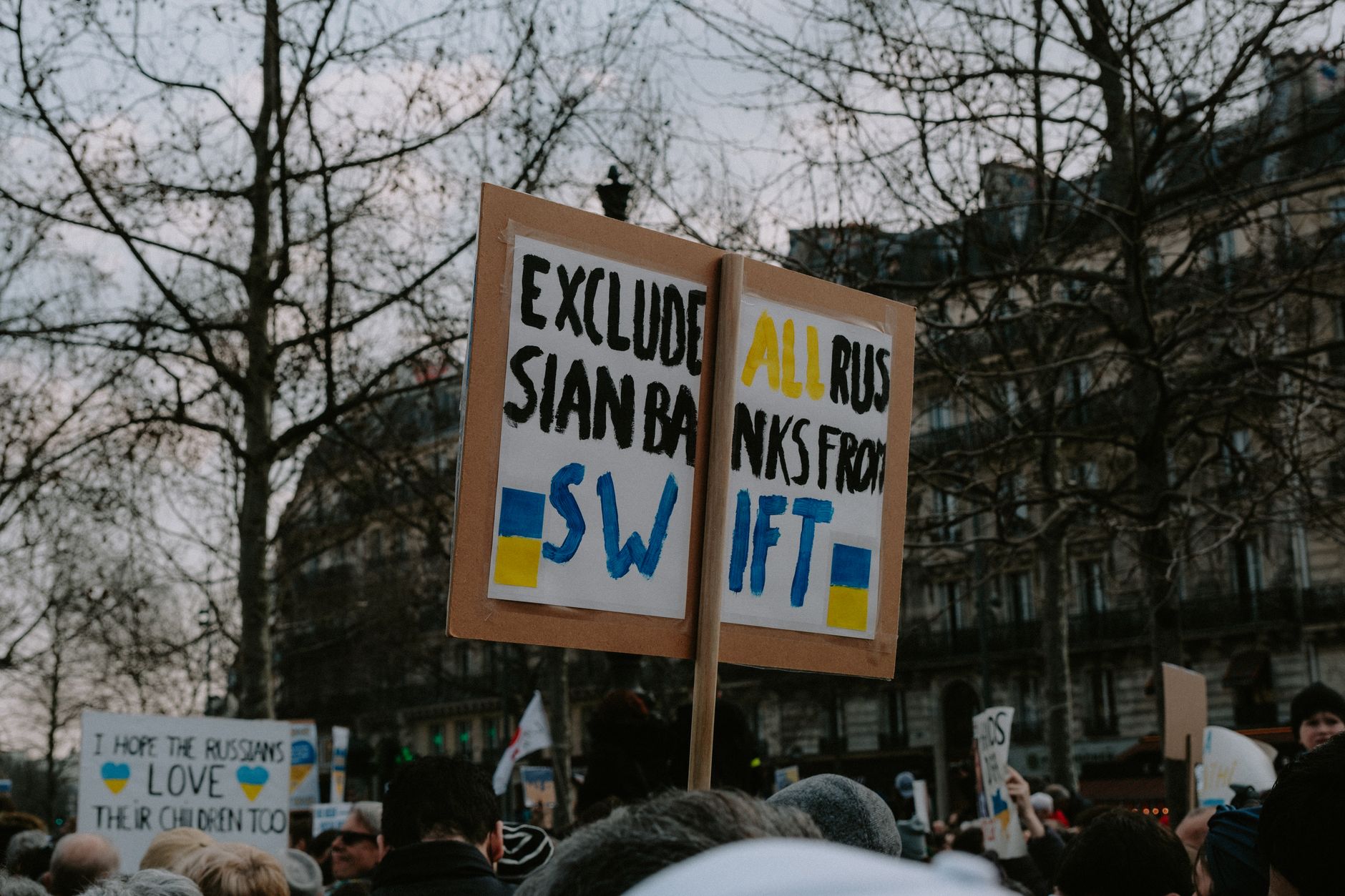
Photo by Mathias Reding on Pexels