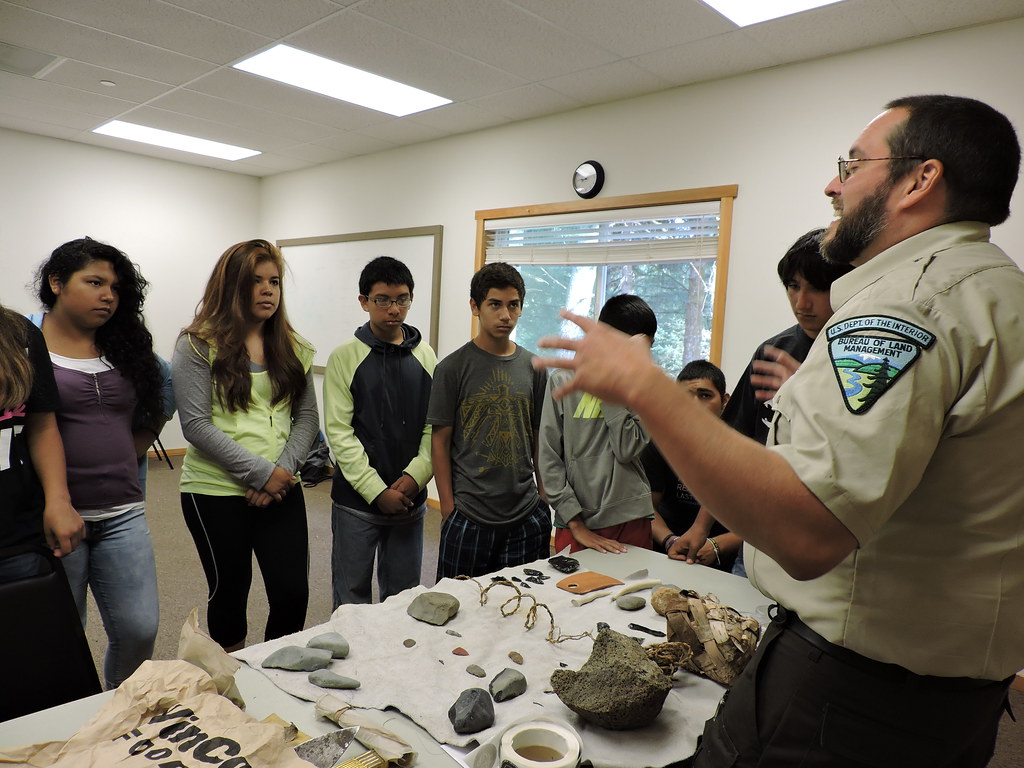

Sonam Wangchuk school activities are under scrutiny as Ladakh sends a notice demanding the cessation of operations. This development raises significant legal questions regarding educational institutions in the region.
Background on Sonam Wangchuk
Sonam Wangchuk is a renowned engineer and activist known for his innovative work in sustainable development and education in the Ladakh region. He founded the Himalayan Institute of Alternatives Ladakh (HIAL) in 2016, which focuses on providing quality education while incorporating the unique cultural and environmental aspects of the region.
Wangchuk’s approach emphasizes experiential learning and holistic development, aiming to empower the youth of Ladakh. His initiatives have included various school activities that promote environmental awareness, local craftsmanship, and leadership skills among students. However, recent developments have put a spotlight on these educational endeavors.
The Ladakh administration has issued a legal notice to Wangchuk’s school, mandating the cessation of certain activities. This notice raises concerns regarding compliance with local regulations and the protection of the region’s cultural integrity. Wangchuk’s school activities have garnered attention both locally and internationally, as he advocates for an education system that is more aligned with the ecological and cultural needs of Ladakh.
As the situation unfolds, the implications for Wangchuk’s educational mission remain to be seen, and the community watches closely.
Details of the Legal Notice
In a recent development, the authorities in Ladakh issued a clear legal warning to Sonam Wangchuk’s school, mandating an immediate cessation of its activities. This notice has raised significant concerns regarding the operations of the institution, which has been known for its unique educational approach that emphasizes environmental sustainability and cultural preservation.
The legal notice outlines several key points, including:
- Compliance Issues: The school has reportedly failed to adhere to certain regulatory standards set by educational authorities.
- Unauthorized Activities: Specific programs conducted by the school have been deemed unauthorized, prompting the need for immediate corrective measures.
- Impact on Community: The notice highlights the potential adverse effects on the local community and educational landscape if the activities continue unchecked.
Sonam Wangchuk, a prominent figure in the region, has been at the forefront of advocating for alternative education methods. However, the recent legal action raises questions about the future of the school and its programs. Observers are now closely monitoring how this situation unfolds and the implications it may have on Sonam Wangchuk’s school activities moving forward.
Implications for Educational Institutions
The legal notice issued to Sonam Wangchuk’s school has raised significant concerns among educational institutions in the region. The implications of this warning extend beyond just one establishment, highlighting the need for compliance with local regulations in all school activities.
Authorities are now expected to scrutinize similar institutions to ensure they are not operating outside the legal framework. This has created a ripple effect, leading to increased anxiety among administrators who fear facing similar repercussions. Educational leaders are urged to reassess their activities to avoid potential legal challenges.
In light of these developments, many schools are re-evaluating their operational protocols. The importance of adhering to local laws cannot be overstated, especially for those engaged in community-focused initiatives. The legal warning serves as a reminder that while innovative educational practices, like those promoted by Sonam Wangchuk’s school, are vital, they must align with governmental regulations.
As the situation unfolds, it will be crucial for educational institutions to remain informed and proactive. Engaging with legal experts and consulting with officials may help institutions navigate this challenging landscape while continuing to foster positive learning environments.
Community Reactions to the Notice
The recent legal notice issued to Sonam Wangchuk’s school has sparked a wave of reactions from the local community. Many residents have expressed their concerns over the implications of halting educational activities that have become integral to the region.
Community members have voiced their support for the school’s mission, emphasizing its role in promoting sustainable education and local culture. “Sonam Wangchuk’s school activities have been a beacon of hope for our children,” stated a local parent. “We fear that shutting it down would rob them of valuable opportunities.”
Others have taken to social media platforms to share their thoughts, with many calling for a dialogue between the school administration and the authorities. “The school embodies the spirit of innovation and resilience,” remarked a former student. “We must find a way to keep it operational while addressing any legal concerns.”
The situation has ignited a broader discussion about educational reforms in Ladakh, with some advocating for more support for institutions that focus on local issues. As the community rallies to defend the school, the future of Sonam Wangchuk’s school activities remains uncertain amid the ongoing legal challenges.
Future of the School Activities
The future of the school activities led by Sonam Wangchuk now hangs in the balance following the recent legal warning issued by authorities in Ladakh. This notice has created uncertainty around the ongoing programs that have been instrumental in promoting education and environmental awareness in the region.
Supporters of Wangchuk argue that the school activities not only foster academic growth but also instill crucial values such as sustainability and community service. However, the legal notice calls for an immediate halt, citing various regulatory concerns. The implications of this warning could extend beyond the school itself, potentially affecting other educational institutions in the area that might be inspired by Wangchuk’s innovative approaches.
As the situation unfolds, stakeholders are left to ponder the next steps. Local educators and parents are advocating for dialogue, urging the authorities to reconsider their stance. They believe that a collaborative approach could yield a solution that allows the school activities to continue while addressing the legal concerns raised.
In a region where education plays a vital role in development, the outcome of this situation will be closely monitored by both supporters and critics alike.
The recent developments surrounding Sonam Wangchuk school activities have raised concerns among parents and educators. Authorities are urging strict compliance with regulations to ensure the safety and well-being of all participants in Sonam Wangchuk school activities.
References
Related reading
New air travel rules: Clear changes for safer flights · Land Law Impact: Proven Strategies to Revive Indian Farms · Ukraine Civil Service Rules: Clear Changes for Employees