

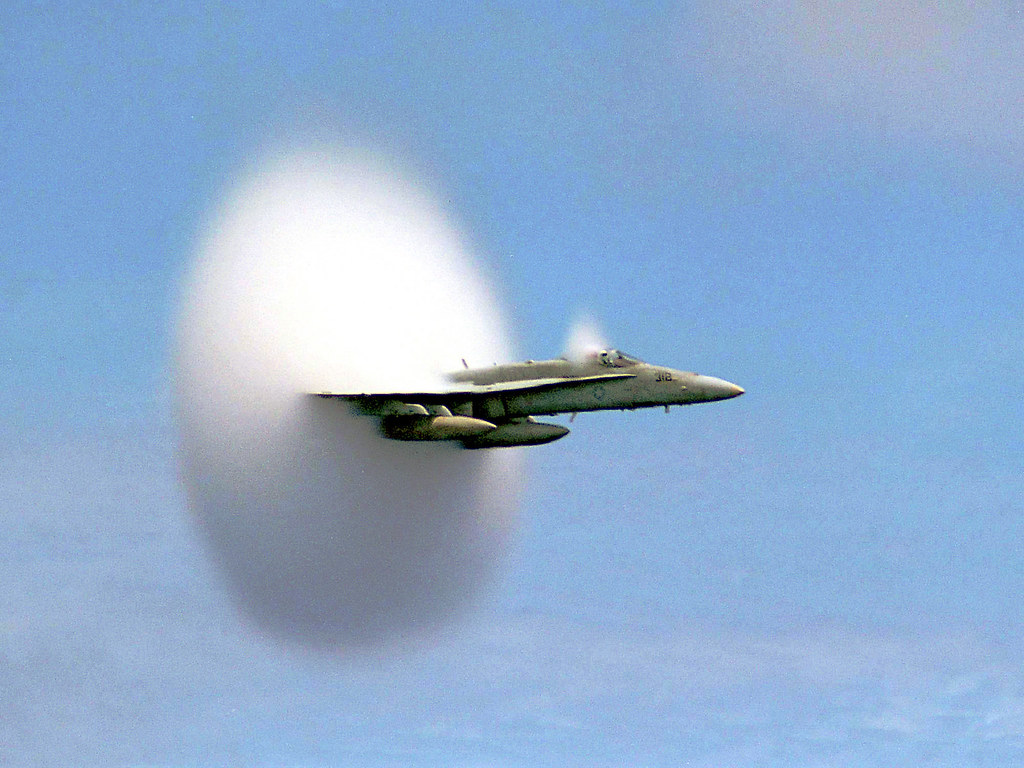
New air travel rules are set to take effect from January 1st, replacing outdated British-era laws. These changes aim to improve safety and streamline the travel experience.
Overview of the new air travel rules
The aviation industry is set to undergo significant changes with the introduction of new air travel rules, aimed at enhancing safety and efficiency. Starting January 1st, these regulations will replace outdated British-era laws that have governed air travel for decades.
Key adjustments include:
- Enhanced Security Measures: Stricter screening processes for both passengers and luggage to ensure a safer flying experience.
- Updated Passenger Rights: Clear guidelines on compensation for delays and cancellations, providing travelers with more support.
- Environmental Regulations: Implementation of measures to reduce carbon emissions, promoting a more sustainable approach to air travel.
- Improved Accessibility: New provisions to enhance the travel experience for passengers with disabilities, ensuring compliance with modern standards.
These new air travel rules reflect a commitment to modernizing the aviation sector and addressing current challenges. As the industry adapts, airlines and travelers alike will need to familiarize themselves with these changes to ensure a smooth transition into the new regulatory framework.
Impact of replacing British-era laws
The decision to replace British-era laws with new air travel rules marks a significant shift in the aviation sector. Effective from January 1st, these reforms aim to modernize regulations and enhance passenger safety across the board.
One of the most noticeable impacts of this transition is the introduction of updated security protocols. Travelers can expect:
- Streamlined security checks: Enhanced technology will expedite the screening process, reducing wait times at airports.
- Improved baggage handling: New tracking systems will ensure that luggage is monitored more effectively, minimizing the risk of loss.
- Greater clarity in regulations: The updated guidelines will provide clearer information on prohibited items and travel restrictions, making it easier for passengers to comply.
Moreover, the new air travel rules will foster a more collaborative environment among airlines, ground services, and regulatory bodies, leading to a more efficient travel experience. While the changes may take some time for travelers to adjust to, the overall goal is to create a safer and more reliable air travel landscape for everyone.
Key changes to expect in air travel
As the new air travel rules take effect from January 1st, passengers can expect several significant changes to enhance safety and efficiency in air travel. These updates aim to modernize the security protocols and streamline the travel experience for everyone.
Among the key changes to expect in air travel are:
- Increased screening measures: Enhanced security checks will be implemented, including more thorough screening of carry-on luggage and personal items.
- Updated identification requirements: Travelers will need to present government-issued photo identification, with stricter verification processes to ensure compliance.
- Changes to liquids policy: New limitations on the volume of liquids and gels allowed in carry-on bags will be enforced, aiming to reduce the risk of prohibited items being brought on board.
- Expanded use of technology: Airports are set to introduce advanced scanning technology that will expedite the boarding process while maintaining high security standards.
These modifications reflect a commitment to enhancing passenger safety and are expected to improve overall efficiency in air travel.
Why the new regulations are necessary
The introduction of the new air travel rules is a response to the evolving needs of modern aviation and a commitment to enhancing passenger safety. The previous regulations, many of which date back to the British-era, have shown limitations in addressing current threats and challenges in air travel.
One of the primary reasons for these new regulations is the increased demand for air travel and the corresponding rise in passenger volumes. With more people flying than ever before, it is crucial to ensure that safety measures keep pace with this growth.
Additionally, advancements in technology have transformed the way we approach security and safety in aviation. The new air travel rules will incorporate cutting-edge practices and tools designed to streamline security processes while maintaining a high level of safety.
Moreover, these regulations aim to enhance international compliance, aligning domestic policies with global standards. This is particularly important in a time when international travel is becoming more accessible and interconnected.
In summary, the necessity for new air travel rules goes beyond mere updates; it reflects a proactive approach to safeguarding passengers and the aviation industry as a whole.
Timeline for implementation of new rules
The timeline for implementation of the new air travel rules has been established, with significant changes set to take effect from January 1st. These regulations aim to enhance safety and efficiency within the aviation sector.
Key milestones leading up to the full implementation include:
- October 1: Initial announcement of the new air travel rules, providing stakeholders time to adjust.
- November 15: Launch of public consultations, allowing travelers and industry professionals to voice concerns and suggestions.
- December 1: Final adjustments to the regulations based on feedback received during consultations.
- January 1: Official enforcement of the new rules, marking a significant shift from the previous British-era laws.
Airlines and airports are currently preparing their staff and systems to ensure a smooth transition to the new air travel rules. This preparation includes training personnel on the updated procedures and implementing new technology where necessary.
Stakeholders remain optimistic that these developments will lead to a safer and more streamlined travel experience for all passengers.
Public response to air travel changes
The announcement of the new air travel rules has generated a mixed response from the public, with many expressing both support and concern. Passengers are eager for improvements in safety and efficiency, but there are also questions about the implications of these changes.
In a recent survey, 65% of respondents indicated that they welcomed the new air travel rules, highlighting the importance of modernizing regulations to enhance security measures. However, some travelers voiced apprehension regarding potential delays and increased costs associated with compliance.
Many frequent flyers have shared their thoughts on social media:
- “I appreciate the focus on safety, but I hope it doesn’t mean longer wait times at the airport.”
- “It’s about time we updated these outdated laws. Let’s make air travel as safe as possible!”
- “I worry about how the new rules will impact my travel plans and budgets.”
As the implementation date approaches, the government is urging travelers to stay informed and prepare for the upcoming changes. The public’s ongoing feedback will play a crucial role in shaping the final details of these new air travel rules.
Future of air travel regulations
The future of air travel regulations is set to evolve significantly with the introduction of the new air travel rules. These changes aim to enhance safety and efficiency in the aviation sector, responding to the growing demands of modern air travel.
Regulators are optimistic that the new framework will streamline processes, providing clearer guidelines for both airlines and passengers. Key areas of focus include:
- Enhanced security measures: Updated protocols will be implemented to ensure passenger safety during flights.
- Environmental standards: New regulations will encourage airlines to adopt more sustainable practices, reducing their carbon footprint.
- Customer rights: Passengers will benefit from improved protections regarding cancellations and delays, fostering greater accountability from airlines.
- Technological advancements: Adoption of cutting-edge technology will facilitate smoother check-in processes and better communication during travel.
As the industry adapts to these new air travel rules, stakeholders are encouraged to participate in ongoing discussions to ensure a successful transition. The collaboration between governments, airlines, and travelers will be crucial in shaping a safer and more efficient future for air travel.
By NASA Goddard Photo and Video via Openverse