

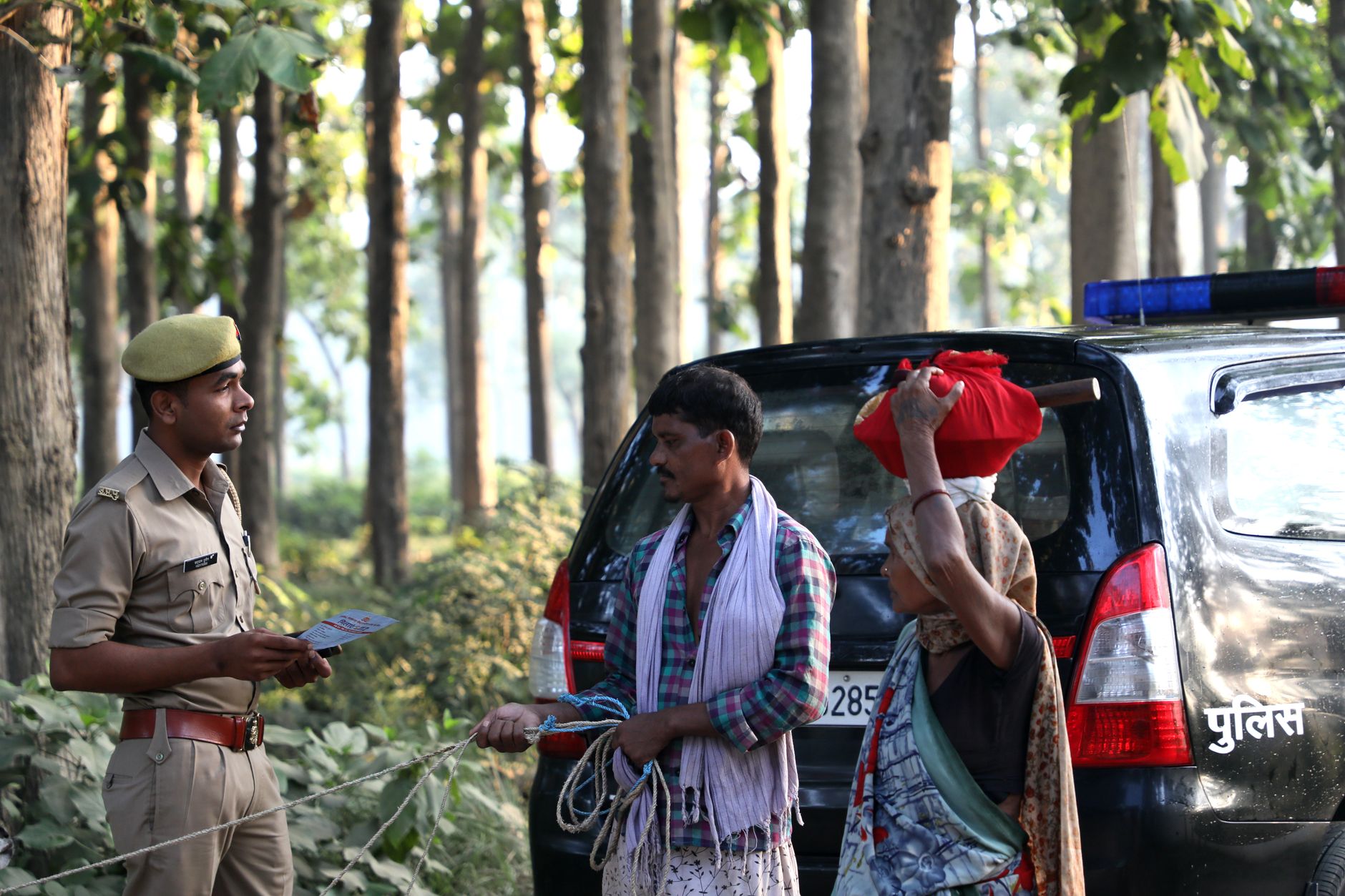
The Anti-Conversion Law India has led to significant changes, with churches canceling vacation Bible schools across the country. This controversial legislation is sparking debate among religious communities.
Overview of the Anti-Conversion Law
The Anti-Conversion Law in India has become a contentious issue, raising concerns among various communities, particularly Christian organizations. This legislation aims to regulate religious conversions, with proponents arguing that it protects vulnerable individuals from coercion. However, critics contend that it disproportionately targets minority religions, effectively curtailing their rights.
In recent events, many churches have been compelled to cancel traditional activities such as Vacation Bible Schools, fearing legal repercussions under the stringent provisions of the law. This has sparked widespread debate regarding the impact of the Anti-Conversion Law on religious freedom and community engagement.
Key aspects of the law include:
- Prohibition of Forced Conversions: The law stipulates severe penalties for individuals or organizations found guilty of coercing someone to convert to another religion.
- Mandatory Registrations: Converts must often apply for permission, which can deter many from pursuing their faith openly.
- Increased Scrutiny: Religious gatherings and activities may face heightened surveillance, impacting community outreach efforts.
As the debate continues, many fear that the Anti-Conversion Law could hinder the ability of churches to operate freely and serve their communities.
Impact on Religious Institutions
The implementation of the Anti-Conversion Law in India has raised significant concerns regarding its impact on religious institutions, particularly churches. Many religious leaders argue that the law creates an atmosphere of fear and suspicion, hindering their ability to operate freely.
Churches across the country have reported a decline in participation in various activities, including vital programs such as Vacation Bible Schools. The law’s stringent regulations have led to increased scrutiny of religious gatherings, prompting many institutions to cancel events that would typically foster community and faith.
Several factors contribute to the mounting anxiety among religious leaders:
- Increased Monitoring: The law facilitates greater surveillance of religious practices, which may discourage congregations from engaging in public worship.
- Legal Ramifications: Fear of legal repercussions for proselytizing has made churches hesitant to share their beliefs openly.
- Community Division: The law has the potential to sow discord among different religious groups, leading to tensions that further affect church operations.
As the implications of the Anti-Conversion Law unfold, the future of churches in India remains uncertain, raising questions about religious freedom and its fundamental rights.
Church Responses to the Law
In light of the recent implementation of the Anti-Conversion Law in India, many churches have expressed significant concern about its implications for their activities. The law, which critics argue is aimed at curbing religious conversions, has prompted several congregations to cancel events traditionally seen as essential for community engagement.
Church leaders have voiced their apprehensions, stating that the legislation could inhibit their ability to freely practice and share their faith. Reverend John D’souza of the St. Mary’s Church remarked, “We are deeply worried that our fundamental rights are being compromised. The Anti-Conversion Law creates an environment of fear that discourages outreach.”
In response to the law, numerous churches have taken proactive steps:
- Suspending Vacation Bible Schools to avoid potential legal complications.
- Increasing community dialogue to address concerns among congregants.
- Collaborating with legal experts to better understand the ramifications of the law.
As the situation unfolds, many are left questioning whether the Anti-Conversion Law will have a lasting impact on the future of religious expression in India.
Public Opinion on the Legislation
Public opinion on the Anti-Conversion Law India remains sharply divided, reflecting the complex interplay between religious freedom and societal values. Supporters of the legislation argue that it is essential for preserving cultural integrity and preventing forced conversions. They believe that the law protects individuals from coercion and maintains harmony among different faiths.
Conversely, critics contend that the law infringes upon fundamental rights and stifles religious expression. Many church leaders express concern over the chilling effect it has on their communities. “This law creates an atmosphere of fear,” stated one pastor, highlighting how congregations across the nation have become increasingly hesitant to engage in outreach programs.
Furthermore, the legislation has prompted churches to rethink their activities. For instance, numerous institutions have canceled events such as Vacation Bible Schools, fearing repercussions under the law. This has raised alarms among various advocacy groups, who argue that the law undermines the spirit of pluralism that India has historically embraced.
The growing apprehension surrounding the Anti-Conversion Law India indicates a pivotal moment for religious institutions, as they navigate a landscape fraught with both legal and societal challenges.
Legal Challenges Ahead
The implementation of the Anti-Conversion Law in India has sparked a series of legal challenges that could reshape the landscape for religious freedom. Critics argue that the law is not only a violation of constitutional rights but also an infringement on personal liberties. Legal experts anticipate that various religious organizations, particularly churches, will challenge the law in higher courts.
Many churches have already taken steps to voice their opposition:
- Filing Petitions: Several church leaders have announced plans to file petitions questioning the law’s constitutionality.
- Legal Support: Organizations dedicated to religious freedom are gearing up to provide legal support for those who wish to challenge the law.
- Public Awareness: Campaigns are being organized to raise public awareness about the implications of the Anti-Conversion Law.
This wave of legal action is not just about defending religious practices; it embodies a broader struggle for civil rights in India. As the judiciary begins to address these challenges, the outcome may set important precedents that define the future of religious expression and freedom in the country.
Future of Bible Schools in India
The introduction of the Anti-Conversion Law in India has raised significant concerns regarding the future of Bible schools across the nation. Many churches have already begun to cancel their planned Vacation Bible Schools, fearing repercussions from the stringent regulations. This has left many families and communities disheartened, as these programs are often crucial for spiritual growth and community bonding.
With the law in place, church leaders are grappling with how to adapt their educational programs while remaining compliant. This has led to a reevaluation of curricula and outreach strategies, as churches seek to avoid potential legal challenges. In the face of these uncertainties, some leaders advocate for a more cautious approach, while others call for resilience and creativity in delivering their messages.
Additionally, the impact on youth engagement in faith-based activities is profound. Many young attendees find value in these schools, not just for religious instruction but for building friendships and life skills. As the future of Bible schools in India hangs in the balance, communities are left pondering what the long-term effects of the Anti-Conversion Law will mean for their spiritual and educational initiatives.
Comparative Analysis with Other Countries
In examining the implications of the Anti-Conversion Law in India, it is essential to compare it with similar legislation in other countries. Several nations have enacted laws aimed at regulating religious conversions, but the context and enforcement vary significantly.
- Indonesia: The country has regulations that require individuals to seek approval from the local government before converting to another religion. This often leads to bureaucratic hurdles and social pressures that can hinder religious freedom.
- Saudi Arabia: Religious conversion is strictly prohibited, with severe penalties for those who attempt to abandon Islam. The law reflects a rigid stance on maintaining religious homogeneity.
- Pakistan: The country has laws against forced conversions, particularly targeting minority communities. However, the enforcement of these laws is often inconsistent, leading to ongoing debates about religious freedoms.
In contrast, India’s Anti-Conversion Law has sparked intense discussions regarding its impact on churches and religious minorities. Critics argue that such legislation undermines the secular fabric of the nation, while supporters claim it protects vulnerable populations from coercion. The global context highlights the challenges faced by various nations regarding religious freedom and conversion rights.
The implications of the Anti-Conversion Law India have raised significant concerns among various religious communities. Many fear that the Anti-Conversion Law India could lead to increased persecution and restrictions on religious freedoms.
Photo by 112 Uttar Pradesh on Pexels