
IOA constitution inconsistency is a pressing concern raised by Abhinav Bindra regarding the electoral rules for the upcoming SoM elections.
Understanding the IOA Constitution
The Indian Olympic Association (IOA) has come under scrutiny for its constitution inconsistency, particularly regarding the electoral rules for the upcoming elections of the Sports Management (SoM) committee. These inconsistencies have raised concerns among athletes and officials alike, as they question the fairness and transparency of the electoral process.
Abhinav Bindra, an esteemed Olympic gold medalist, has voiced his apprehensions regarding the current state of the IOA constitution, emphasizing that such discrepancies can undermine the credibility of the organization. The issues highlighted include:
- Lack of clarity in the eligibility criteria for candidates.
- Ambiguous provisions regarding the voting process.
- Unclear timelines for elections and nominations.
The ongoing debate over the IOA constitution inconsistency calls for urgent reforms to ensure a more robust and equitable governance structure in Indian sports.
Abhinav Bindra’s Concerns
Abhinav Bindra, the Olympic gold medalist, has voiced his concerns regarding the IOA constitution inconsistency that has surfaced in the lead-up to the elections for the Sports of Management (SoM). He highlighted that the discrepancies in the electoral rules could undermine the integrity of the upcoming elections.
Bindra stated that the existing constitution appears to have conflicting provisions that could lead to confusion and potential disputes among stakeholders. He emphasized the importance of having a clear and consistent constitution to ensure fair representation and governance within the Indian Olympic Association.
In his remarks, he called for a thorough review of the current electoral framework, urging the IOA to rectify any inconsistencies to maintain the credibility of the organization. He believes addressing these issues is crucial for the future of Indian sports.
Implications of Electoral Rules
The inconsistency in the IOA constitution has raised several implications regarding the electoral rules that govern the elections for the Sports of Management (SoM). As athletes and officials prepare for the upcoming elections, clarity around these rules is crucial. The discrepancies highlighted by Abhinav Bindra suggest that some provisions may not align with the principles of fair play and transparency.
Key concerns include:
- Eligibility Criteria: Ambiguities in who qualifies to vote or stand for election could disenfranchise certain members.
- Voting Procedures: Lack of uniformity in the voting process might lead to confusion and disputes post-elections.
- Accountability Measures: Inconsistent enforcement of regulations may undermine trust in the electoral outcomes.
Ultimately, addressing these inconsistencies is essential to ensure a fair electoral process within the IOA.
Historical Context of IOA Elections
The Indian Olympic Association (IOA) has faced scrutiny regarding its constitution inconsistency, particularly in the context of its electoral processes. Historical examination reveals that the IOA’s electoral framework has been shaped by various amendments and regulations over the years. This evolution has not only impacted the governance of sports in India but has also led to confusion among stakeholders.
In past elections, discrepancies in eligibility criteria and the interpretation of rules have raised questions about transparency and fairness. The involvement of prominent athletes like Abhinav Bindra in highlighting these issues reflects a growing concern among sportspersons regarding the integrity of the electoral process.
As the IOA prepares for upcoming elections, addressing these inconsistencies will be crucial to ensure that the organization functions effectively and maintains the trust of its members and the broader sporting community.
Legal Perspectives on Sports Governance
The recent discussions surrounding the IOA constitution inconsistency have raised important legal perspectives on sports governance in India. Legal experts argue that the discrepancies within the constitution may not only affect the integrity of the elections but also undermine the overall governance of sports bodies.
Key points highlighted include:
- Compliance with National Laws: The IOA must align its constitution with existing national sports laws to ensure legitimacy.
- Judicial Oversight: Courts may intervene if constitutional inconsistencies lead to disputes, potentially affecting the election outcomes.
- Transparency and Accountability: Clear and consistent governance structures are essential for fostering trust among athletes and stakeholders.
As the debate continues, it becomes crucial for the IOA to address these inconsistencies to uphold its credibility and function effectively in the sporting landscape.
Future of IOA Constitution
The future of the Indian Olympic Association (IOA) constitution hangs in the balance as concerns regarding its inconsistency continue to surface. Stakeholders are questioning how these inconsistencies may impact the governance of sports in India.
As the IOA prepares for upcoming elections, the spotlight is on the electoral rules that some argue are misaligned with the constitution. This misalignment could lead to potential disputes and challenges, further complicating the already intricate landscape of sports administration.
Experts believe that addressing these inconsistencies is crucial for ensuring transparency and fairness within the organization.
- Clarifying electoral processes: A need for uniformity in rules.
- Stakeholder engagement: Involving athletes and officials in drafting amendments.
- Long-term vision: Establishing a robust framework for future governance.
Ultimately, resolving the IOA constitution inconsistency will be vital for fostering trust and integrity in Indian sports.
The ongoing debate surrounding the IOA constitution inconsistency highlights the need for a comprehensive review of governance structures. Many stakeholders are calling for clarity to address the IOA constitution inconsistency that has led to confusion and conflict within the organization.
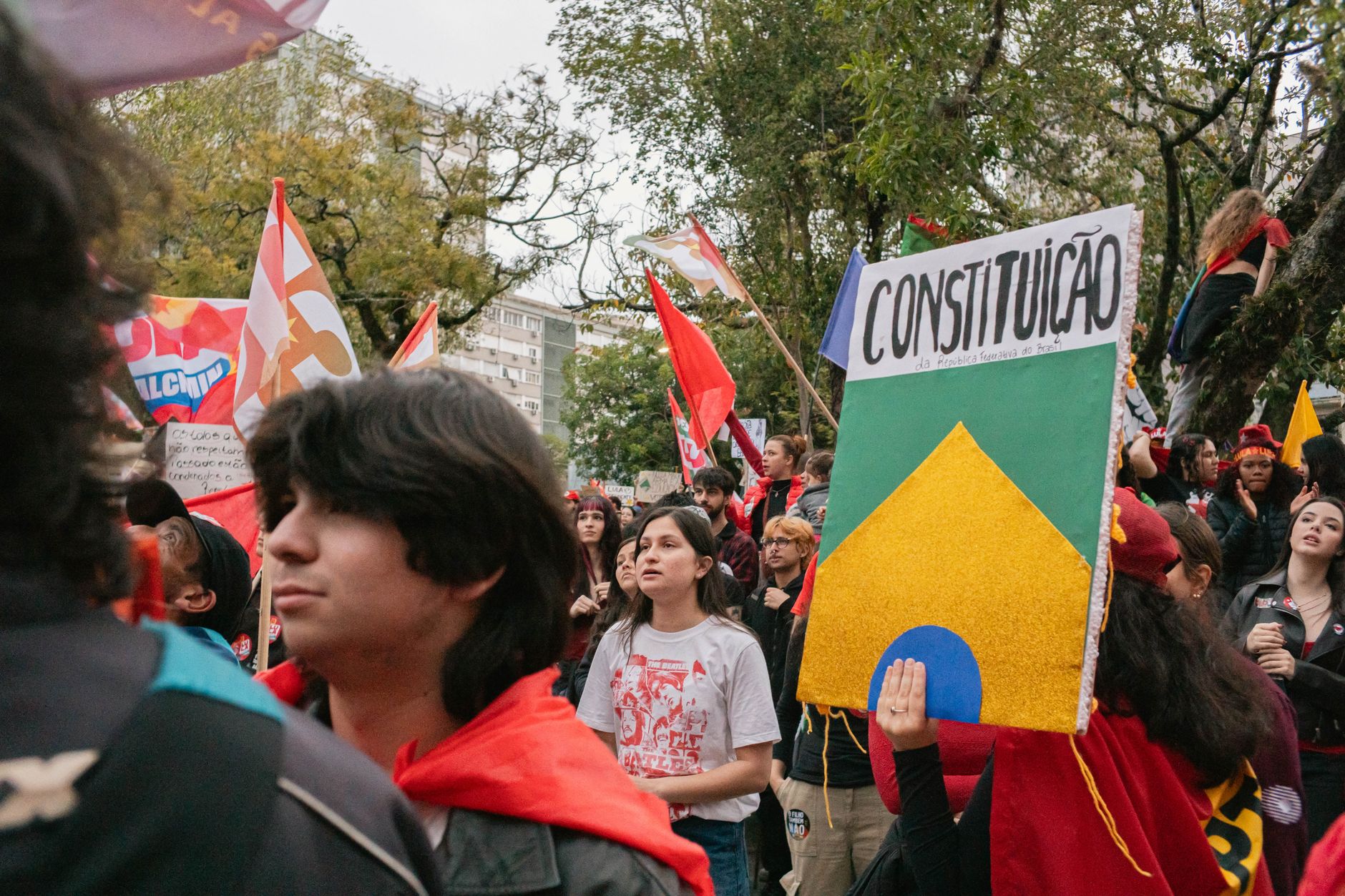
Photo by Rô Acunha on Pexels