

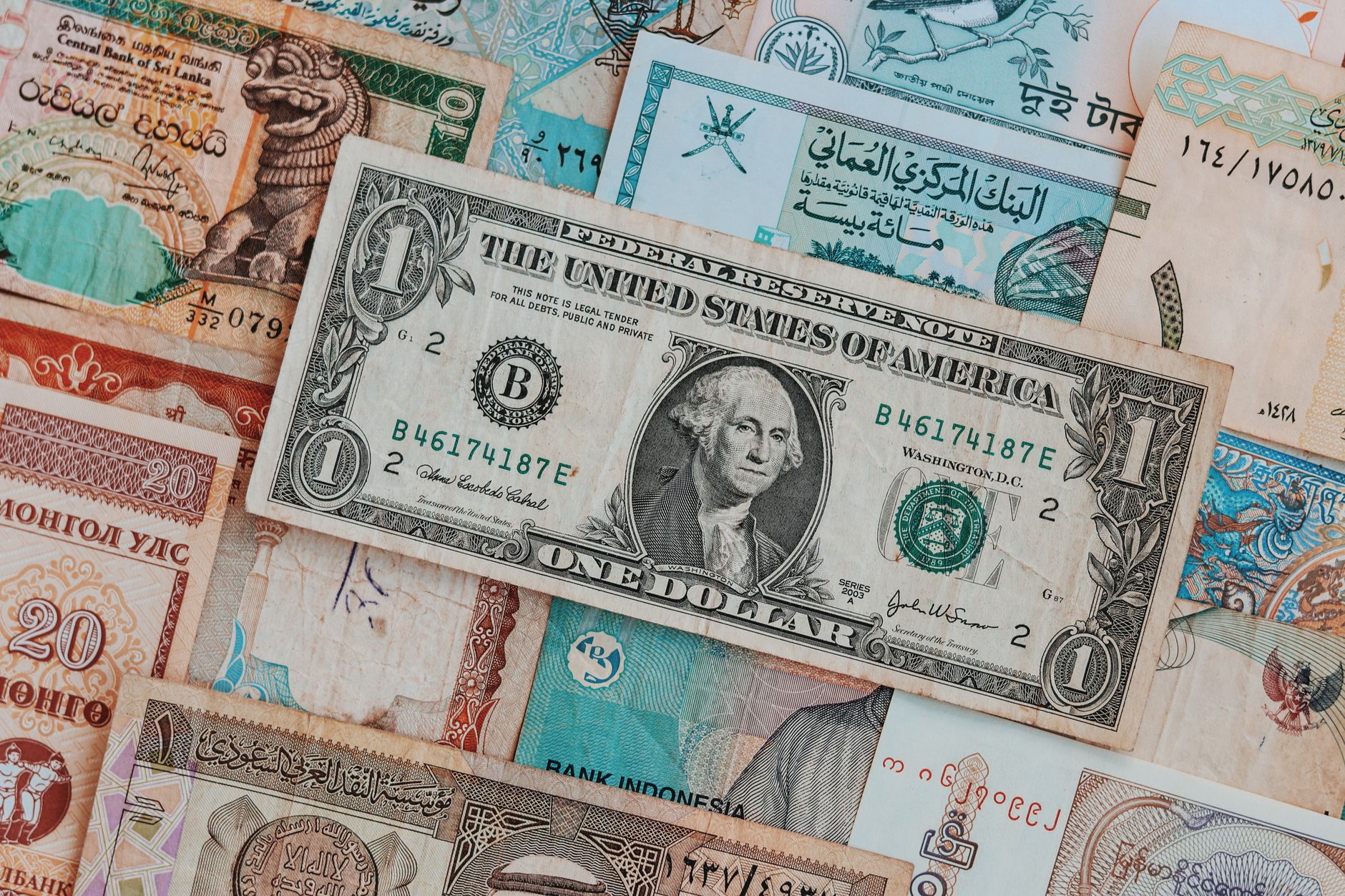
Pakistan foreign exchange rules are undergoing major changes that promise to reshape the financial landscape. These alterations aim to enhance economic stability and improve business operations.
Overview of Pakistan’s Foreign Exchange Rules
Pakistan’s foreign exchange rules are poised for significant changes in 2023, impacting various stakeholders including businesses and individual citizens. The government aims to streamline processes and enhance transparency within the foreign exchange market, addressing long-standing issues that have affected economic stability.
Among the critical updates to the foreign exchange rules are:
- Increased Transparency: The government plans to introduce measures that will promote clearer communication regarding exchange rates and transaction fees.
- Regulatory Simplification: Efforts are underway to simplify existing regulatory frameworks, making it easier for individuals and businesses to comply with foreign exchange requirements.
- Strengthened Monitoring: Enhanced monitoring mechanisms will be implemented to prevent illegal currency trading and ensure adherence to the new rules.
- Facilitation for Investors: The revised rules aim to create a more conducive environment for foreign investors, encouraging capital inflows into the country.
These changes are anticipated to provide a more robust structure for managing foreign exchange activities, ultimately contributing to a healthier economic landscape in Pakistan.
Implications of the New Regulations
The recent changes to Pakistan’s foreign exchange rules are set to have significant implications for both individuals and businesses operating within the country. These regulations aim to streamline processes and enhance transparency in foreign currency transactions.
One major implication is the potential for increased foreign investment. By simplifying the compliance requirements, the government hopes to attract more foreign capital, which can help bolster the economy. Additionally, these changes may encourage local businesses to engage more actively in international trade.
However, there are concerns regarding the adaptability of small and medium enterprises (SMEs) to the new framework. Many SMEs may find it challenging to navigate the updated regulations, which could impact their competitiveness in the global market. It is essential for these businesses to seek guidance and support to ensure compliance with the new foreign exchange rules.
Furthermore, there may be fluctuations in the local currency as the market adjusts to the revised regulations. Stakeholders are advised to stay informed about the developments and consider their strategies accordingly.
- Increased foreign investment potential
- Challenges for SMEs in compliance
- Currency fluctuations may occur
How Will Businesses Adapt?
As Pakistan’s foreign exchange rules undergo significant changes in 2023, businesses are faced with the challenge of adapting to a new regulatory landscape. Companies relying on foreign transactions will need to reassess their financial strategies to comply with the updated regulations.
Firstly, businesses must enhance their understanding of the new foreign exchange rules to ensure compliance. This includes training staff and possibly hiring experts to navigate the complexities of the regulations. Additionally, organizations may need to invest in updated financial software to facilitate accurate reporting and transactions.
Furthermore, companies should establish strong relationships with local banks to manage their foreign exchange needs effectively. This collaboration can provide vital insights into the practical implications of the new rules and help businesses mitigate risks associated with currency fluctuations.
Moreover, companies that engage in international trade may consider diversifying their markets. By exploring new regions, they can reduce dependency on any single currency or economic environment, thus improving their financial stability.
Ultimately, adapting to the evolving foreign exchange rules will require agility and foresight, but proactive planning can position businesses for success in a challenging economic climate.
Timeline for Implementation
The timeline for implementing the new Pakistan foreign exchange rules has been officially announced, outlining key dates and phases for both businesses and individuals to prepare for the changes. The government has emphasized that a gradual implementation approach will be taken to ensure a smooth transition.
The following is a breakdown of the timeline:
- Phase 1: Awareness Campaign (January – March 2023)
- Launch of informational sessions and workshops for stakeholders.
- Distribution of guides detailing the new regulations.
- Phase 2: Initial Compliance (April – June 2023)
- Businesses required to submit preliminary compliance reports.
- Financial institutions to update systems for new reporting standards.
- Phase 3: Full Implementation (July 2023 onward)
- All entities must adhere to the new foreign exchange rules.
- Regular audits and monitoring will commence to ensure compliance.
Stakeholders are urged to stay informed throughout this process to effectively manage the transition.
Expert Opinions on Changes
Experts in the field of finance and international trade are weighing in on the upcoming changes to Pakistan’s foreign exchange rules, predicting significant impacts for both individuals and businesses. Dr. Ayesha Malik, an economist at the Institute of Financial Studies, emphasizes the need for a balanced approach. She states, “The new regulations must promote transparency while also facilitating easier access to foreign currency for legitimate business activities.”
Another expert, Mr. Tariq Khan, a financial consultant, believes that these changes could potentially stabilize the economy. He notes, “If implemented effectively, the revised foreign exchange rules could enhance investor confidence and attract foreign direct investment, which is crucial for economic growth.”
However, some analysts caution that the success of these new regulations will depend on their execution. Ms. Fatima Noor, a policy analyst, points out, “Without proper oversight and enforcement, the intended benefits of the foreign exchange rules may not materialize.”
Overall, the expert consensus suggests that while challenges remain, the upcoming changes could pave the way for a more robust economic landscape in Pakistan.
Conclusion and Future Outlook
As Pakistan navigates a rapidly changing economic landscape, the upcoming alterations to its foreign exchange rules are poised to create significant impacts for both individuals and businesses. These changes, deemed essential for enhancing economic stability and attracting foreign investment, are expected to streamline processes and encourage compliance.
In conclusion, the revised foreign exchange rules are not just regulatory adjustments; they represent a strategic shift towards fostering a more transparent and competitive market environment. Stakeholders will need to stay informed and agile in their responses to these developments.
The future outlook hinges on the effectiveness of these new regulations in addressing existing challenges, such as currency volatility and limited access to foreign exchange. Key areas to watch include:
- Implementation of technology solutions for seamless transactions.
- Monitoring and evaluation of the impact on trade and investment flow.
- Government support mechanisms for businesses adjusting to the new framework.
Ultimately, the success of Pakistan’s foreign exchange rules will depend on the collaborative efforts of the government, financial institutions, and the business community to adapt and thrive in this evolving environment.
As the government prepares to implement new policies, stakeholders are closely monitoring the implications of the updated Pakistan foreign exchange rules. These changes aim to enhance transparency and facilitate smoother transactions in the evolving financial landscape.
Photo by Pratikxox on Pexels
Where this came from
You might also like
Anti-Conversion Law India: Is It the Worst for Churches? · Transgender Sports Ban: The Right Legal Defense Strategy · Class Action Lawsuit: Honest Details About Triller Group