
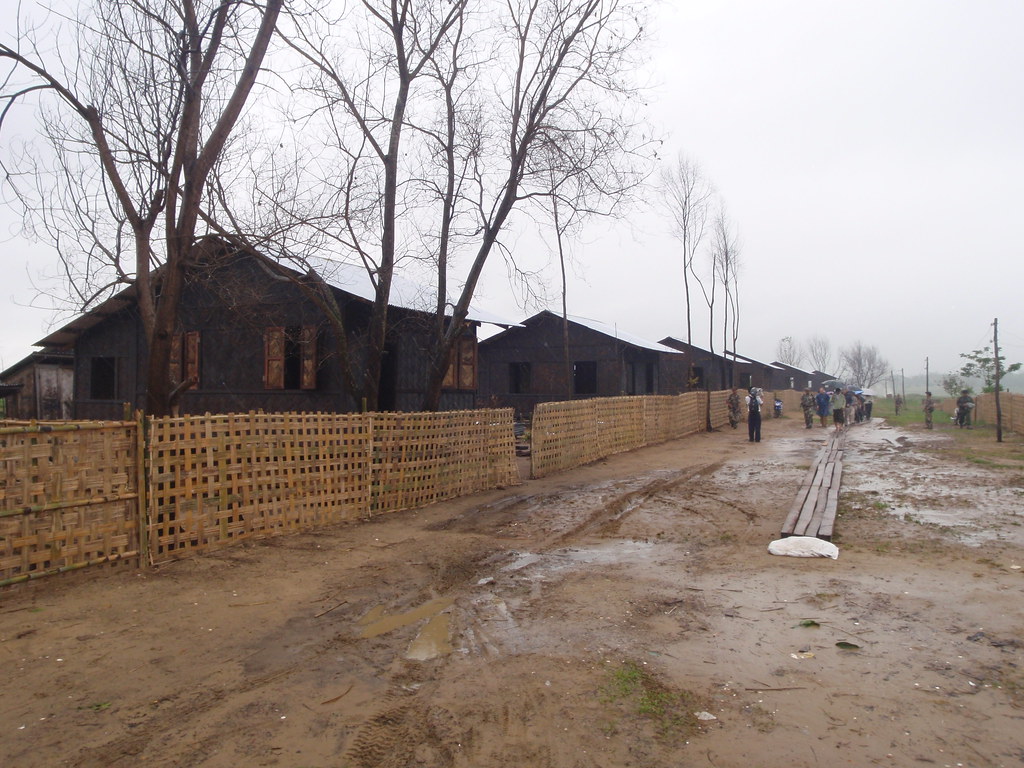
Rohingya return to Myanmar has gained momentum as India backs the repatriation following the ICJ’s genocide ruling. This decision comes after seven years of legal proceedings and highlights the ongoing humanitarian crisis.
Background on the Rohingya Crisis
The Rohingya crisis has been a humanitarian tragedy for several years, marked by violence and persecution against the Rohingya people in Myanmar. Since 2016, hundreds of thousands have fled to neighboring countries, particularly Bangladesh, escaping widespread violence and discrimination.
In 2019, the International Court of Justice (ICJ) ruled that Myanmar must take measures to prevent genocide against the Rohingya, a decision that has highlighted the urgent need for a resolution. Despite this ruling, the situation remains dire, as many Rohingya continue to live in refugee camps, facing significant challenges.
Recently, India expressed its support for the Rohingya return to Myanmar, emphasizing the importance of establishing a safe and dignified path for repatriation. The international community continues to call for accountability and justice for the Rohingya, as their plight remains a pressing global issue.
India’s Role in Supporting Repatriation
India has taken a significant step in supporting the repatriation of Rohingya refugees in light of the recent ruling by the International Court of Justice (ICJ) concerning genocide. This ruling, which follows seven years of proceedings, has drawn attention to the plight of the Rohingya and their potential return to Myanmar.
In response to the ongoing humanitarian crisis, Indian officials have emphasized the importance of ensuring a secure and dignified return for the Rohingya. The Indian government is actively engaging in discussions with Myanmar to facilitate the safe path for their return.
Key points regarding India’s role include:
- Diplomatic Engagement: India is leveraging its diplomatic channels to advocate for the rights and safety of the Rohingya.
- Regional Stability: A successful repatriation is seen as crucial for maintaining peace and stability in the region.
As the situation evolves, India’s commitment to supporting the Rohingya return to Myanmar remains a focal point of its foreign policy.
ICJ’s Ruling Explained
The International Court of Justice (ICJ) recently issued a ruling that has significant implications for the Rohingya return to Myanmar. The ruling, which concluded a seven-year legal battle, addressed allegations of genocide against the Rohingya people, affirming that the Myanmar government bears responsibility for the atrocities committed.
In its decision, the ICJ emphasized the importance of preventing further harm to the Rohingya and called for measures to ensure their safety and security. The court underscored the need for accountability, urging Myanmar to take steps to protect the Rohingya population and provide justice for the victims of past violence.
This ruling has garnered support from various nations, including India, which has expressed its commitment to facilitating the safe return of Rohingya refugees to Myanmar, reflecting a broader international push for justice and reconciliation.
Challenges Faced by Rohingya Refugees
The return of Rohingya refugees to Myanmar is fraught with numerous challenges that need addressing. These challenges not only hinder the repatriation process but also pose significant risks to the safety and well-being of those involved. Among the primary obstacles are:
- Lack of Safety: Many Rohingya fear returning to Myanmar due to ongoing violence and persecution, raising concerns about their safety upon return.
- Legal Uncertainty: The legal framework regarding citizenship and rights for returning refugees remains unclear, complicating their reintegration.
- Humanitarian Needs: Refugees often require extensive support, including food, shelter, and healthcare, which may not be readily available in Myanmar.
- Psychosocial Trauma: Many returning Rohingya face psychological challenges stemming from their experiences, which can hinder their ability to rebuild their lives.
Addressing these issues is crucial for ensuring a safe path for the Rohingya return to Myanmar.
Future of Rohingya in Myanmar
The future of the Rohingya in Myanmar remains uncertain, despite recent developments encouraging their return. With India backing the repatriation process following the International Court of Justice’s ruling, there is cautious optimism about a safe path for the Rohingya return to Myanmar. However, significant challenges persist.
Many refugees fear for their safety and well-being upon returning, as the conditions in Myanmar have not significantly improved. The lack of legal protections and potential persecution raises concerns about their ability to reintegrate into society.
Key factors influencing their future include:
- Security Measures: Ensuring a safe environment for returnees.
- Legal Rights: Establishing clear rights and protections for the Rohingya.
- International Support: Continued advocacy from global organizations and nations.
Addressing these issues is crucial for a sustainable resolution.
International Response to the Crisis
The international response to the Rohingya crisis has been varied, reflecting the complexity of the situation. Many countries and organizations have called for a safe and dignified return of the Rohingya to Myanmar, emphasizing the need for proven justice and accountability.
- The United Nations has urged Myanmar to ensure the safety of returning refugees and address the root causes of their displacement.
- Human rights groups have reported ongoing violence against the Rohingya, raising concerns over their safety if they return.
- Regional players, including India, have expressed support for the repatriation process, aligning with the emerging consensus on the need for stability in the region.
Despite these efforts, the lack of concrete actions and guarantees for the Rohingya’s safety continues to hinder progress on their return to Myanmar.
The ongoing discussions surrounding the Rohingya return to Myanmar emphasize the need for safety and security for the displaced community. Ensuring a safe path to proven justice is crucial for the success of any Rohingya return to Myanmar.
By EU Civil Protection and Humanitarian Aid via Openverse