
Russia-related sanctions have been waived under new law, prompting significant reactions from various sectors. This decision marks a pivotal moment in U.S.-Russia relations and legal frameworks surrounding international trade.
Overview of Recent Legal Changes
In 2023, a series of significant legal changes have emerged regarding Russia-related sanctions, prompting widespread discussions among policymakers and international relations experts. These alterations reflect ongoing tensions between Russia and Western nations, particularly in light of the ongoing conflict in Ukraine.
The recent legislative adjustments encompass a variety of measures aimed at addressing the evolving geopolitical landscape. Notably, one of the most controversial changes involved the waiver of specific sanctions previously imposed on Russia. This decision has raised eyebrows among many, who argue that it undermines the effectiveness of existing sanctions.
Key elements of the recent legal changes include:
- Amendments to Tariff Structures: New tariffs have been introduced, while others have been suspended, significantly impacting trade relations.
- Regulatory Adjustments: Regulatory bodies are now tasked with the ongoing assessment of sanctions effectiveness, leading to potential future alterations.
- Increased Oversight: Certain provisions have been put in place to ensure better compliance and monitoring of sanctions related to Russian entities.
- Diplomatic Strategies: The changes are part of a broader diplomatic strategy aimed at isolating Russia on the international stage.
As these legal changes unfold, the implications for both domestic and international relations remain a focal point of debate among experts and lawmakers alike.
Implications of Waiving Sanctions
The recent decision to waive key Russia-related sanctions has raised significant concerns among analysts and policymakers. By suspending these sanctions, the implications could reverberate across multiple sectors, potentially undermining previous efforts to hold Russia accountable for its actions.
One of the primary implications of waiving sanctions is the potential for increased economic collaboration between Russia and countries that had previously been deterred by these legal restrictions. This could lead to:
- Revived Trade Relationships: Nations may re-establish trade ties that were severed due to sanctions, resulting in a flow of goods and services that could bolster Russia’s economy.
- Investor Confidence: The removal of sanctions might attract foreign investments into Russia, allowing for economic growth that could further challenge international diplomatic efforts.
- Geopolitical Tensions: Countries that oppose the waiving of sanctions may feel compelled to take a firmer stance against Russia, leading to heightened tensions in global politics.
Furthermore, the waiver could send a troubling message to other nations regarding the effectiveness of sanctions as a tool for international diplomacy. If such measures can be easily lifted, it may diminish their deterrent effect in the future.
As the landscape evolves, stakeholders must carefully analyze the potential long-term consequences of these legal changes on international relations and security.
Historical Context of U.S.-Russia Relations
The historical context of U.S.-Russia relations provides essential insight into the recent legal changes affecting Russia-related sanctions. Over the decades, the diplomatic relationship between the two nations has been marked by periods of tension and cooperation, heavily influenced by geopolitical events.
In the aftermath of the Cold War, the United States and Russia initially sought a path towards collaboration. However, various incidents, including NATO’s eastward expansion and Russia’s actions in Ukraine, have led to a deterioration of trust and an increase in sanctions. In 2014, the U.S. government imposed a range of sanctions in response to Russia’s annexation of Crimea, marking a significant turning point in relations.
Subsequent administrations have continued to adapt these sanctions, reflecting ongoing concerns over human rights abuses, election interference, and military aggression. The introduction of new tariffs and the waiving of some existing sanctions, as seen in recent legislative measures, have sparked debates about the effectiveness and consequences of such actions.
- Cold War Origins: The U.S. and Russia’s rivalry dates back to the mid-20th century.
- Post-Soviet Cooperation: Initial hopes for partnership quickly diminished.
- Recent Tensions: Sanctions have become a primary tool for U.S. foreign policy.
Understanding this historical context is vital for comprehending the implications of the latest legal changes and the ongoing discussions surrounding Russia-related sanctions.
Key Players in the Sanction Debate
In the ongoing debate surrounding Russia-related sanctions, several key players have emerged, each influencing the direction of policy and legislative changes. Notably, former President Donald Trump has taken a significant role, advocating for the waiver of certain sanctions as part of a broader strategy under new laws aimed at fostering diplomatic relations.
Several other influential figures include:
- Congressional Leaders: Members of both the House of Representatives and the Senate have voiced their opinions, with some supporting the waiver while others argue for stricter measures against Russia.
- Economic Analysts: Experts in international trade and finance are closely monitoring the impacts of sanctions, providing insights into how these legal changes may affect global markets.
- Activist Groups: Organizations focused on human rights and international law continue to lobby for the enforcement of sanctions, emphasizing their importance in holding Russia accountable for its actions.
- Foreign Policy Experts: Scholars and analysts are debating the long-term implications of waiving sanctions, weighing the potential benefits of improved relations against the risks of empowering aggressive behavior.
As these key players engage in this complex and often contentious debate, the stakes remain high, with the outcomes potentially reshaping U.S.-Russia relations for years to come.
Public Reactions to the New Law
Public reactions to the recent legal changes regarding Russia-related sanctions have been mixed, reflecting deep divisions among citizens and political commentators. Many have expressed concern that waiving these sanctions could undermine international efforts to hold Russia accountable for its actions.
Critics argue that this move sends a troubling message to allies and adversaries alike, suggesting that the U.S. may be willing to compromise on its commitment to global norms. Some vocal opponents have taken to social media, using platforms to voice their discontent and mobilize support for reinstating the sanctions.
Supporters of the new law, however, claim it is a necessary step toward fostering better relations with Russia. They argue that reducing tariffs and waiving certain sanctions could lead to improved diplomatic dialogue. As one supporter noted, “Engagement is the key to resolving conflicts, and these changes may pave the way for negotiations.”
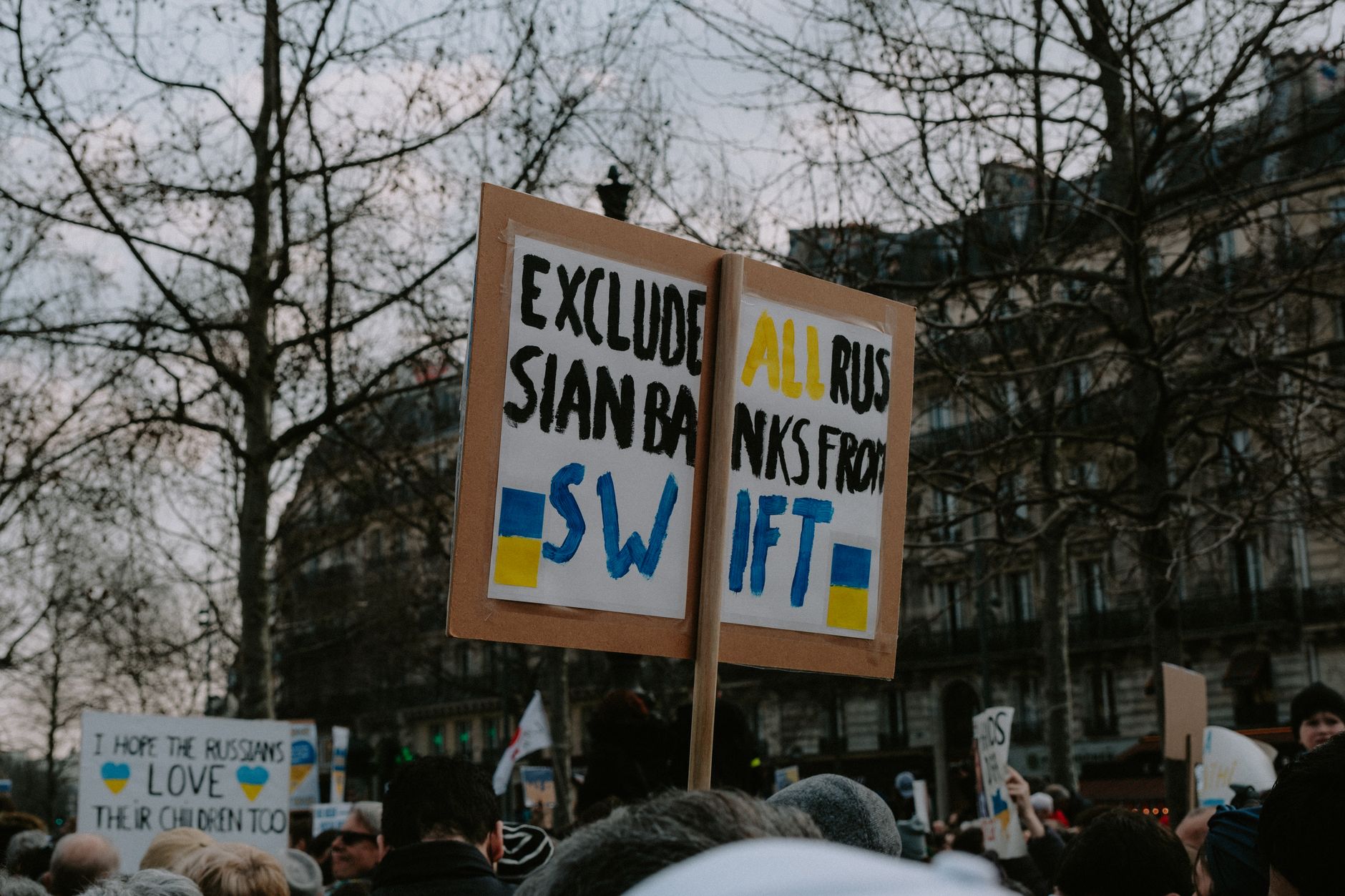
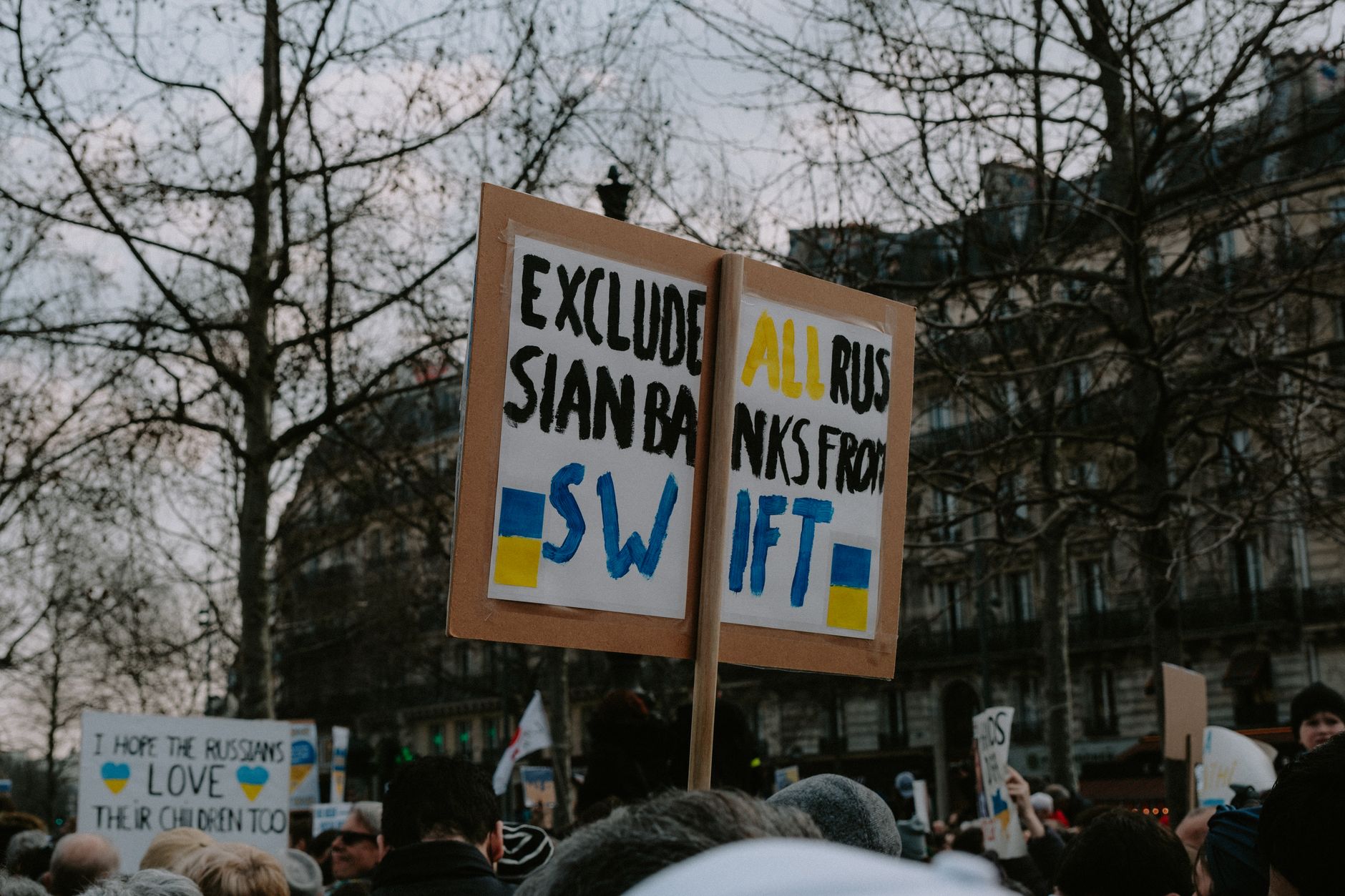
Public protests have also emerged across various cities, with demonstrators holding signs that read “Sanctions Matter” and “Hold Russia Accountable.” These gatherings reflect a growing unease among citizens who fear that the rollback of Russia-related sanctions could embolden aggressive actions by the Russian government.
As the debate continues, it remains to be seen how these legal changes will impact the broader geopolitical landscape and the perceptions of U.S. commitments to its allies.
Future of International Trade Policies
The future of international trade policies is increasingly uncertain as nations navigate the complex landscape shaped by Russia-related sanctions. With the recent legal changes, particularly the waiving of key sanctions and tariffs, countries must reassess their diplomatic and economic strategies.
Several factors are likely to influence the evolution of trade policies in the coming years:
- Global Economic Interdependence: As economies grow more intertwined, the ripple effects of sanctions will impact not just the targeted nation but also its trading partners.
- Geopolitical Alliances: Countries may form new alliances or strengthen existing ones in response to sanctions, leading to a shift in trade dynamics.
- Legal and Regulatory Changes: The landscape of international law will continue to evolve, as countries adapt their regulations to either comply with or push back against sanctions.
- Market Reactions: Businesses will be closely monitoring changes in trade policies, adjusting their operations to mitigate risks associated with sanctions.
- Technological Advances: Innovations in trade and finance, such as blockchain and digital currencies, may offer new avenues for circumventing traditional sanction frameworks.
These factors suggest that international trade policies will be in constant flux, reflecting both the challenges and opportunities presented by ongoing geopolitical tensions.
Legal Framework Surrounding Tariffs
The legal framework surrounding tariffs has undergone significant changes in 2023, particularly in the context of Russia-related sanctions. These alterations reflect a shifting landscape, where economic strategies intertwine with geopolitical challenges. The recent legislation allows for the modification of tariffs that were previously imposed as part of the sanctions regime against Russia.
Key changes in the legal framework include:
- Tariff Flexibility: The new law provides the President with increased discretion to waive certain tariffs on goods originating from Russia, potentially altering the economic dynamics between the two nations.
- Review Process: A streamlined review process for reinstating tariffs has been established, allowing for quicker responses to changes in Russia’s international behavior.
- Impact on Allies: The modifications aim to mitigate the economic impact on U.S. allies who rely on trade with Russia, highlighting the complexity of enforcing Russia-related sanctions without harming global partnerships.
While proponents argue that these changes will enhance diplomatic negotiations, critics express concern that waiving tariffs undermines the intent of the sanctions, potentially emboldening Russia’s actions on the world stage. The interplay between legal frameworks and international relations continues to evolve, making it crucial for policymakers to balance economic interests with national security considerations.
Analysis of Trump’s Decision
Former President Donald Trump’s decision to waive key Russia-related sanctions has raised eyebrows among lawmakers and analysts alike. His recent move, part of a broader legal framework established under new legislation, has sparked a heated debate regarding its implications for U.S.-Russia relations and international stability.
Many experts argue that waiving these sanctions undermines the United States’ position in the global arena. Critics of the decision emphasize that the sanctions were initially put in place to deter aggressive actions by the Russian government, and lifting them could embolden such behavior. As a result, some fear that this could lead to a deterioration of diplomatic ties and a resurgence of tensions.
On the other hand, supporters of Trump’s decision believe that economic engagement with Russia could foster a more constructive relationship and promote stability in the region. They argue that sanctions often hurt ordinary citizens rather than the intended political targets, making the case for a more nuanced approach.
As the debate unfolds, it is crucial to consider the long-term consequences of these legal changes. The balance between economic interests and national security remains a contentious issue, and the waiving of Russia-related sanctions could set a precedent that influences future foreign policy decisions. The ramifications of this decision will undoubtedly be felt across various sectors, affecting everything from trade to international diplomacy.
This year has seen significant shifts in the landscape of Russia-related sanctions, impacting various sectors and industries. As countries adapt to these Russia-related sanctions, businesses must navigate the complex legal environment to ensure compliance.
Photo by Mathias Reding on Pexels