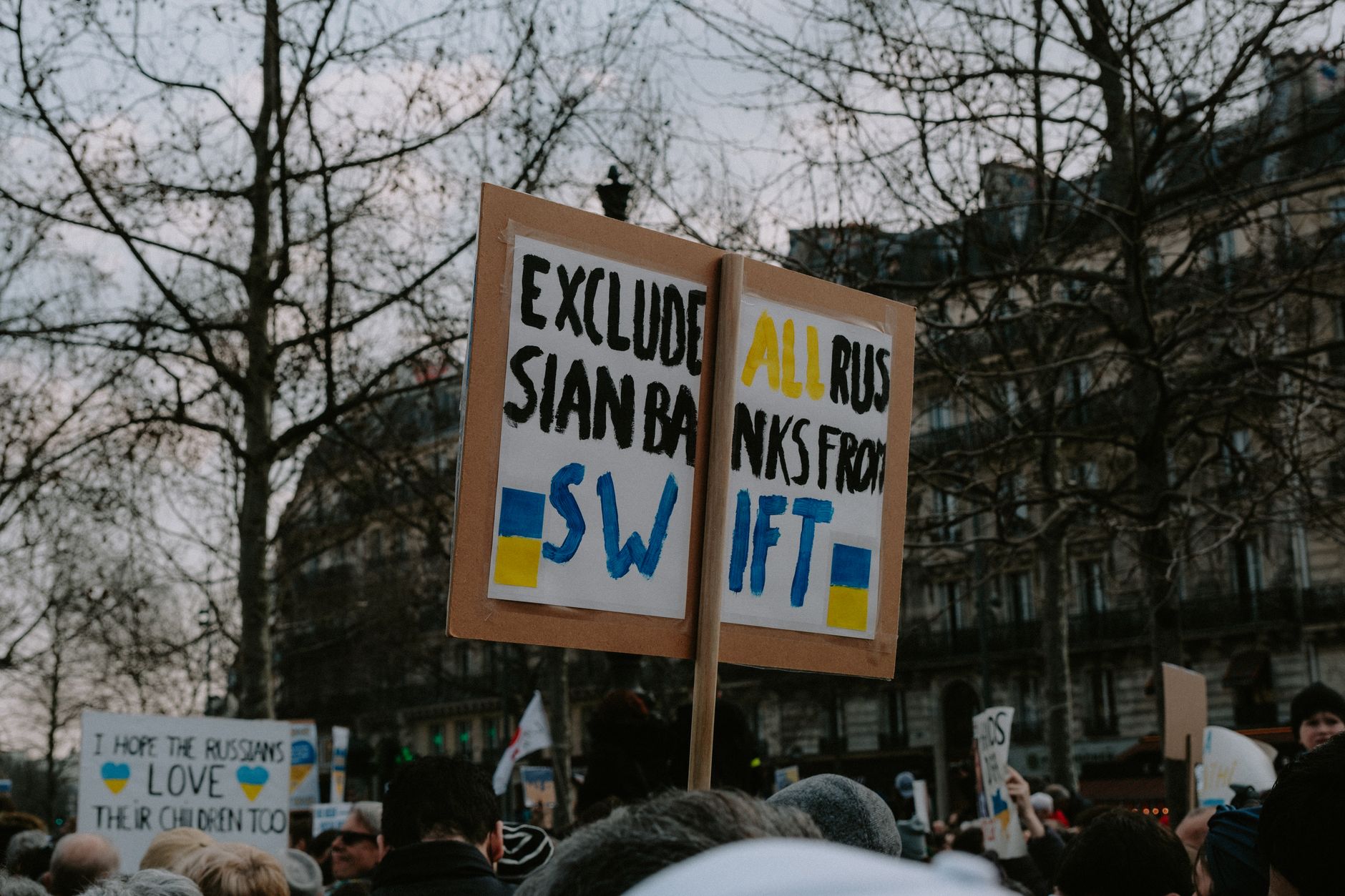


sanctions under Lindsey Graham Act have become a focal point of criticism against Trump. Democrats are voicing their concerns over the implications of his waiver on international relations and accountability.
Overview of the Lindsey Graham Act
The Lindsey Graham Act, implemented to address national security threats, particularly from foreign adversaries, has become a focal point in recent political debates. This legislation empowers the U.S. government to impose stringent sanctions on individuals and entities that undermine democratic processes or engage in malign activities.
Recently, the Act has come under scrutiny following President Trump’s decision to waive certain sanctions. Critics, particularly from the Democratic party, have voiced strong opposition to this move. They argue that waiving sanctions under the Lindsey Graham Act sends a troubling message regarding the United States’ commitment to holding foreign adversaries accountable.
Key points of contention include:
- National Security: Critics claim that the waiver jeopardizes national security by allowing foreign influence to persist.
- Accountability: Many Democrats emphasize the importance of accountability in foreign relations.
- Political Implications: The decision has sparked a debate about the implications for the upcoming elections.
As discussions continue, the implications of sanctions under the Lindsey Graham Act remain a critical topic in American politics.
Trump’s Waiver Explained
In the ongoing debate surrounding sanctions under the Lindsey Graham Act, former President Donald Trump’s recent waiver has drawn significant criticism from Democrats. The waiver, which allows certain transactions that would typically fall under the purview of the sanctions, has raised eyebrows among lawmakers who argue that it undermines the intended purpose of the legislation.
Critics assert that this decision could enable transactions that benefit individuals and entities linked to the Russian government, further complicating international relations amid ongoing tensions. Some key points of concern include:
- National Security Risks: Opponents argue that the waiver could embolden adversaries.
- Political Accountability: Many believe Trump’s actions are inconsistent with the values of American democracy.
- Financial Incentives: Democrats have accused Trump of potentially profiting from relationships with foreign powers.
The backlash highlights a broader concern over the effectiveness of sanctions under the Lindsey Graham Act and raises questions about compliance and enforcement moving forward.
Democratic Response to Trump’s Decision
Democrats have expressed strong opposition to former President Donald Trump’s recent waiver of sanctions under the Lindsey Graham Act, arguing that it undermines U.S. foreign policy and national security. Prominent leaders, including Senator Chuck Schumer, have voiced their concerns, stating that Trump’s decision sends a troubling message to adversaries like Russia.
During a press conference, Schumer emphasized the importance of holding foreign powers accountable, saying, “By waiving these sanctions, Trump is essentially giving a green light to Putin’s aggression.”
In addition to Schumer, Congresswoman Nancy Pelosi criticized the waiver, asserting that it allows for potential financial support to authoritarian regimes. “Sanctions under the Lindsey Graham Act were designed to protect our interests and promote democracy,” she remarked.
Democratic lawmakers are now pushing for a review of the waiver, calling for immediate action to restore the intended effects of the sanctions. “We cannot afford to weaken our stance against those who threaten global stability,” added Senator Elizabeth Warren.
- Concerns over national security
- Potential benefits to adversaries
- Calls for legislative review
Impact on U.S.-Russia Relations
The recent decision by former President Donald Trump to waive sanctions under the Lindsey Graham Act has raised significant concerns regarding the future of U.S.-Russia relations. Critics argue that this move undermines the bipartisan efforts to hold Russia accountable for its actions on the global stage. By allowing such waivers, the U.S. risks appearing weak in the face of Russian aggression, which could embolden the Kremlin to pursue further destabilizing activities.
Democrats have voiced their disapproval, asserting that Trump’s actions send a troubling message to both allies and adversaries. Senator Chuck Schumer stated, “This waiver shows that the Trump administration continues to prioritize personal relationships over national security.” The implications of this waiver extend beyond immediate diplomatic relations, potentially affecting economic sanctions and military collaborations.
Moreover, the bipartisan consensus on imposing sanctions under the Lindsey Graham Act is now threatened, as lawmakers fear that the integrity of U.S. foreign policy is at stake. As tensions escalate, the long-term impact of this waiver remains to be seen.
Future of Sanctions Legislation
The future of sanctions legislation, particularly those enacted under the Lindsey Graham Act, remains uncertain following recent political maneuvers. As tensions between the parties escalate, lawmakers are considering various approaches to strengthen or amend the existing sanctions framework.
Key points of debate include:
- Potential Revisions: Some Democrats are advocating for a reevaluation of the Lindsey Graham Act to eliminate loopholes that could allow for presidential waivers in sensitive situations.
- Increased Oversight: Legislators are pushing for enhanced congressional oversight to ensure that waivers, like the one issued by Trump, are subjected to stricter scrutiny.
- Broader Implications: The effectiveness of current sanctions under the Lindsey Graham Act may dictate future U.S. policy towards adversaries, including Russia and other nations.
As discussions unfold, the possibility of bipartisan support for sanctions reform could emerge, reflecting a shared concern over national security and foreign policy integrity. The coming months will be critical in shaping the landscape of sanctions legislation.
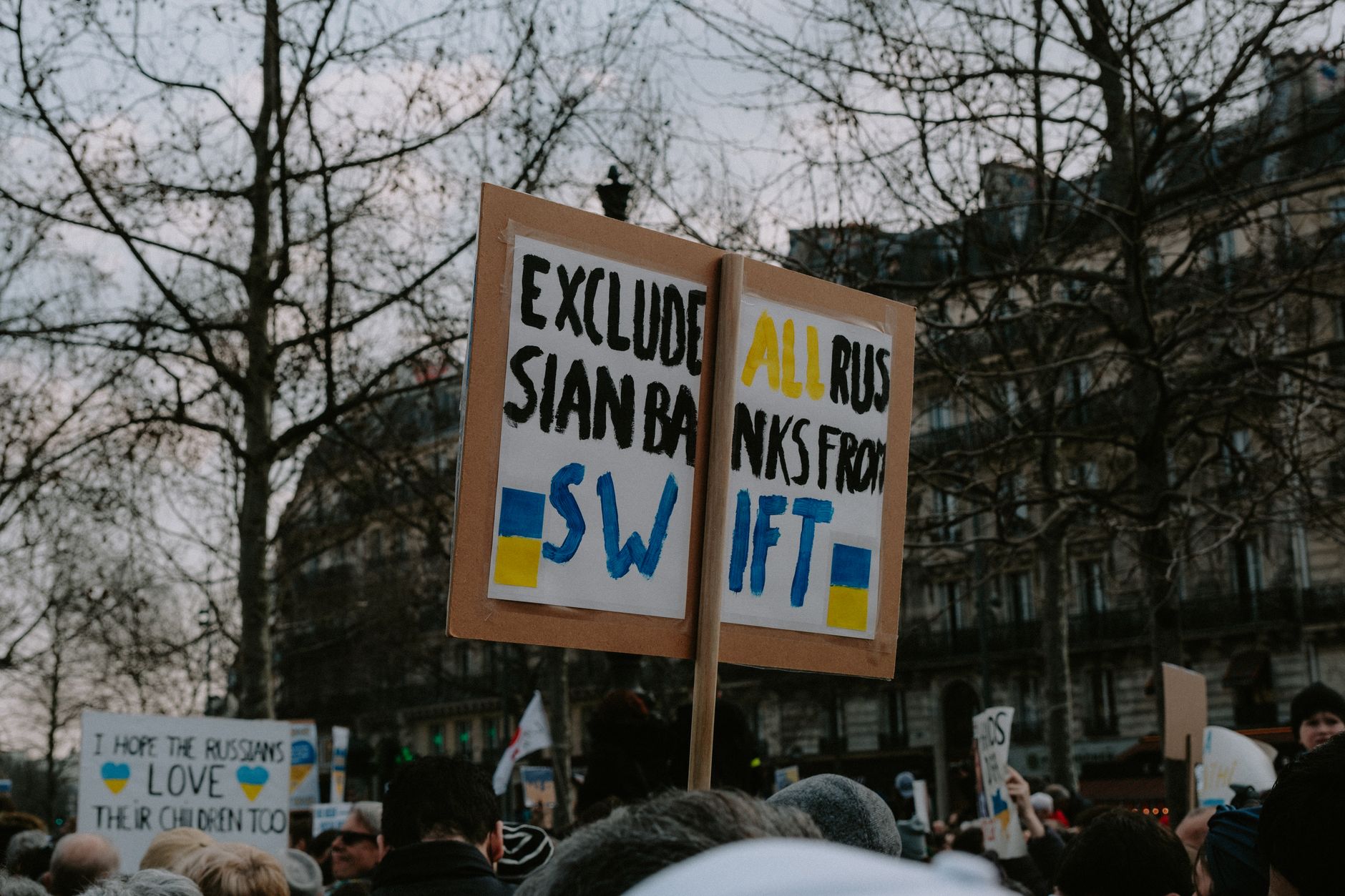
The ongoing debate surrounding the sanctions under Lindsey Graham Act has intensified as Democrats criticize Trump’s decision to issue a waiver. Many lawmakers argue that the sanctions under Lindsey Graham Act are crucial for maintaining pressure on targeted nations.
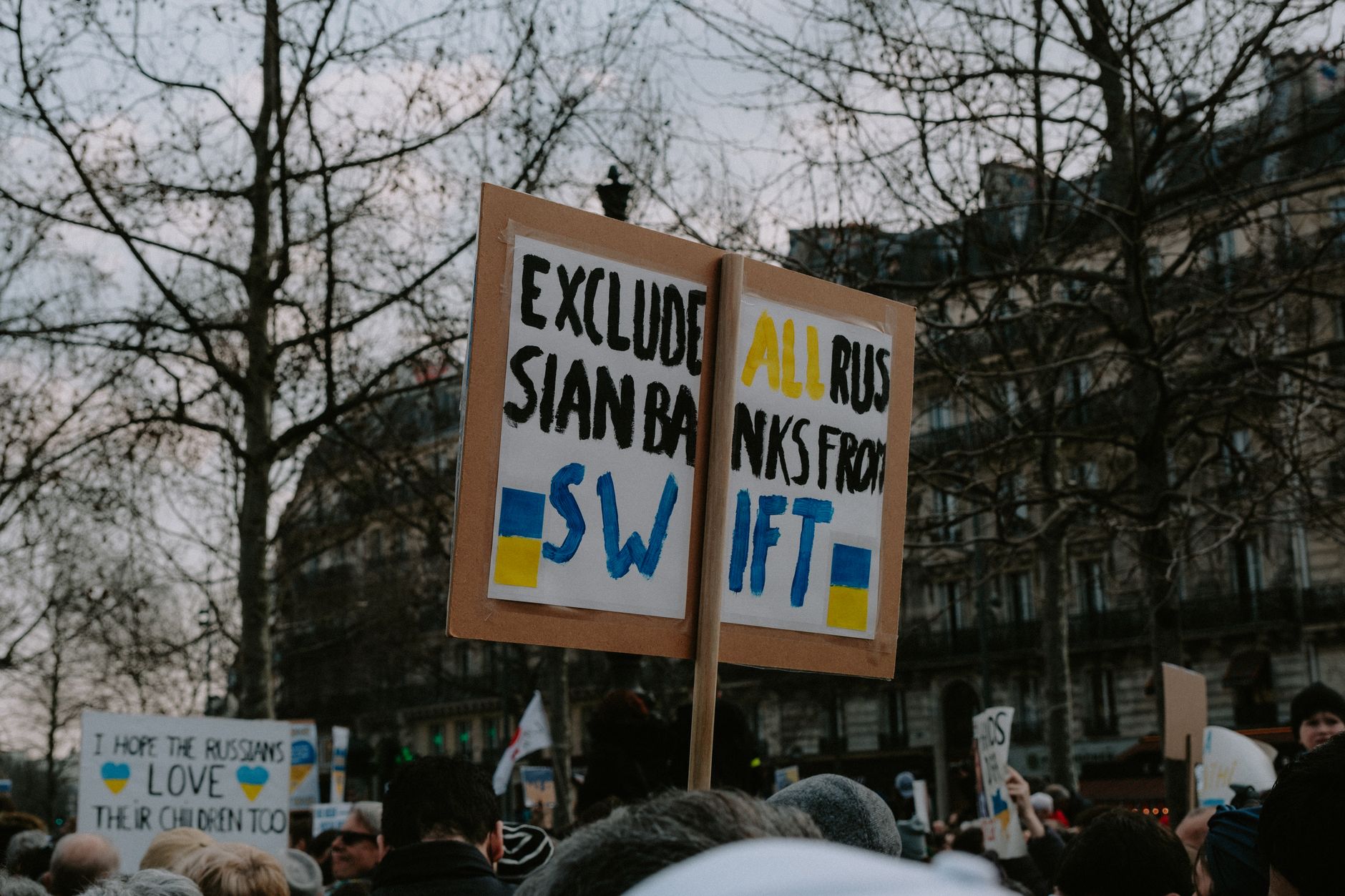
Photo by Michael D Beckwith on Pexels