

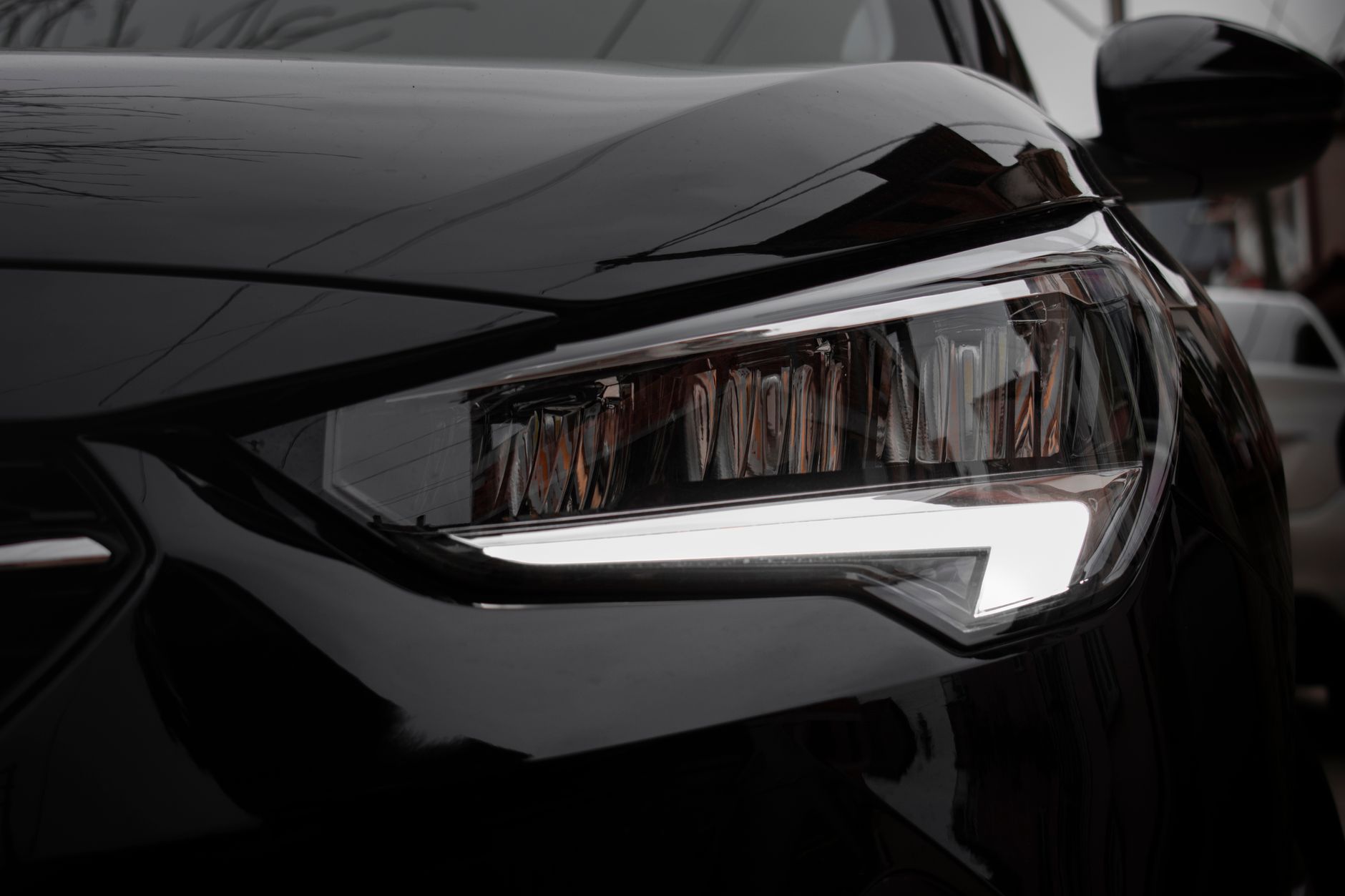
MOT rules for LED headlights have recently been introduced, impacting how vehicles are tested and ensuring safety on the roads. These changes are crucial for drivers to understand.
Overview of New MOT Rules
The recent updates to the MOT rules for LED headlights have sparked considerable interest among vehicle owners and industry professionals alike. These changes aim to improve road safety and ensure that all vehicles comply with current lighting standards.
The new regulations outline specific requirements regarding the use of LED technology in headlights. Key points include:
- Brightness Levels: LED headlights must meet certain brightness criteria to prevent dazzling other road users.
- Installation Compliance: Only approved LED headlight kits may be used, ensuring they are compatible with the vehicle’s design.
- Performance Testing: Vehicles equipped with LED headlights will undergo rigorous testing during the MOT to verify their functionality and alignment.
These measures are part of a broader initiative to enhance vehicle safety and environmental performance. As a result, vehicle owners are encouraged to stay informed about the MOT rules for LED headlights to ensure compliance and avoid potential penalties.
Impact of LED Headlights on MOT
The introduction of new MOT rules for LED headlights has sparked discussions among vehicle owners and industry professionals. These regulations aim to ensure that LED headlights meet specific safety and performance standards during the MOT test.
LED headlights are known for their brightness and energy efficiency, but they can also pose unique challenges when it comes to compliance. The following points outline the impact of these changes:
- Improved Visibility: LED headlights offer enhanced visibility for drivers, which can lead to safer road conditions.
- Potential Glare: If not properly aligned, LED headlights may create excessive glare for oncoming traffic, raising concerns during the MOT assessment.
- Regulatory Compliance: Vehicles fitted with LED headlights must ensure they adhere to the latest specifications outlined in the MOT guidelines.
- Cost Implications: Retrofit costs for non-compliant LED systems may impact vehicle owners, necessitating adjustments to meet the new standards.
Overall, the new MOT rules for LED headlights reflect a commitment to road safety and vehicle compliance.
Key Changes to Vehicle Safety Standards
The latest updates to the MOT rules for LED headlights have introduced several key changes aimed at enhancing vehicle safety standards. These adjustments reflect the growing popularity of LED technology in automotive lighting and its implications for road safety.
Among the notable changes are:
- Brightness Regulations: New limits on the brightness of LED headlights to prevent glare and ensure they do not hinder visibility for other drivers.
- Installation Standards: Stricter requirements for the correct installation of LED lighting systems, ensuring they are fitted according to manufacturer specifications.
- Inspection Procedures: Enhanced inspection protocols during the MOT test to thoroughly assess the functionality and alignment of LED headlights.
These modifications aim to mitigate the risks associated with improper lighting while promoting the safe use of LED technology. As a result, vehicle owners are encouraged to stay informed about the MOT rules for LED headlights to ensure compliance and safety on the roads.
What Drivers Need to Know
The recent updates to the MOT rules for LED headlights have significant implications for drivers. Understanding these changes is crucial to ensure compliance and safety on the roads. Here are the key points that every driver should be aware of:
- Compatibility: Not all LED headlights are compliant with the new MOT regulations. Drivers must ensure that their headlights meet the required standards to pass the inspection.
- Installation: Any modifications to headlights, including the installation of LED units, must be carried out by a qualified professional to avoid potential issues during the MOT test.
- Performance: LED headlights must provide sufficient illumination and not cause glare to other road users. This is essential for safety and will be assessed during the MOT.
- Documentation: Keep records of any work done on the vehicle, especially related to lighting, as this may be requested during the MOT inspection.
Being informed about the MOT rules for LED headlights will help drivers navigate these regulations effectively.
Future of MOT Regulations
The future of MOT regulations is poised for significant adaptation as technology continues to evolve. With the rise of LED headlights, the MOT rules for LED headlights have been a focal point for regulators aiming to enhance road safety and vehicle performance.
As these lighting systems gain popularity, authorities are likely to implement more stringent testing criteria to ensure compliance with newly established standards. This includes assessing the brightness, alignment, and color of LED lights during the MOT process.
Moreover, advancements in automotive technology may lead to further changes in regulations. The introduction of smart lighting systems that adapt to driving conditions could also prompt additional guidelines in the future.
It is essential for drivers to remain informed about any forthcoming adjustments to the MOT rules. Staying updated will help ensure that their vehicles meet safety standards while also taking advantage of the benefits that modern lighting technology offers.
Photo by Abdulvahap Demir on Pexels