
ICJ ruling on Rohingya genocide has been acknowledged by 14 countries, highlighting the global response to the ongoing crisis. This ruling raises significant questions about accountability and justice for the Rohingya people.
Overview of the ICJ ruling
The International Court of Justice (ICJ) recently delivered a significant ruling regarding the ongoing plight of the Rohingya people, declaring that Myanmar has committed acts amounting to genocide against this ethnic minority. This landmark decision marks a pivotal moment in international law, as it reinforces the responsibility of nations to protect vulnerable populations and hold perpetrators accountable.
In its ruling, the ICJ underscored the necessity for Myanmar to take all measures to prevent further acts of genocide and to ensure the safety of the Rohingya. The court emphasized the importance of compliance with the 1948 Genocide Convention, which obligates states to prevent and punish genocide. The court’s decision has garnered attention globally, with 14 countries publicly acknowledging the ruling and expressing support for its implications.
The ruling also serves as a critical reminder of the ongoing humanitarian crisis facing the Rohingya, many of whom have been displaced from their homes due to violence and persecution. With the ICJ ruling on Rohingya genocide, there are hopes that it will pave the way for increased international action and pressure on Myanmar to address these human rights violations.
Responses from the 14 countries
In the wake of the ICJ ruling on Rohingya genocide, responses have emerged from 14 countries, reflecting a mix of support and concern regarding the situation in Myanmar. These nations have expressed their acknowledgment of the International Court of Justice’s decision, which recognized the systematic persecution of the Rohingya as a form of genocide.
Among the countries that have publicly supported the ruling are:
- Canada – Highlighted the importance of accountability for human rights violations.
- Germany – Stressed the need for international solidarity in addressing the crisis.
- United Kingdom – Urged Myanmar to comply with the court’s decision and protect the Rohingya community.
- Australia – Called for ongoing humanitarian assistance to those affected.
- New Zealand – Emphasized the significance of international law in safeguarding human rights.
However, some countries have refrained from commenting directly on the ICJ ruling on Rohingya genocide, citing ongoing diplomatic engagements with Myanmar. This divergence in responses highlights the complex geopolitical dynamics at play, as nations balance humanitarian concerns with their strategic interests in the region.
Impact on Rohingya communities
The recent ICJ ruling on Rohingya genocide has significant implications for the affected communities. With the court’s acknowledgment of genocide, the spotlight is now on the plight of the Rohingya people, who have faced years of persecution and violence. This ruling provides a glimmer of hope for justice, but the impact on the ground remains to be seen.
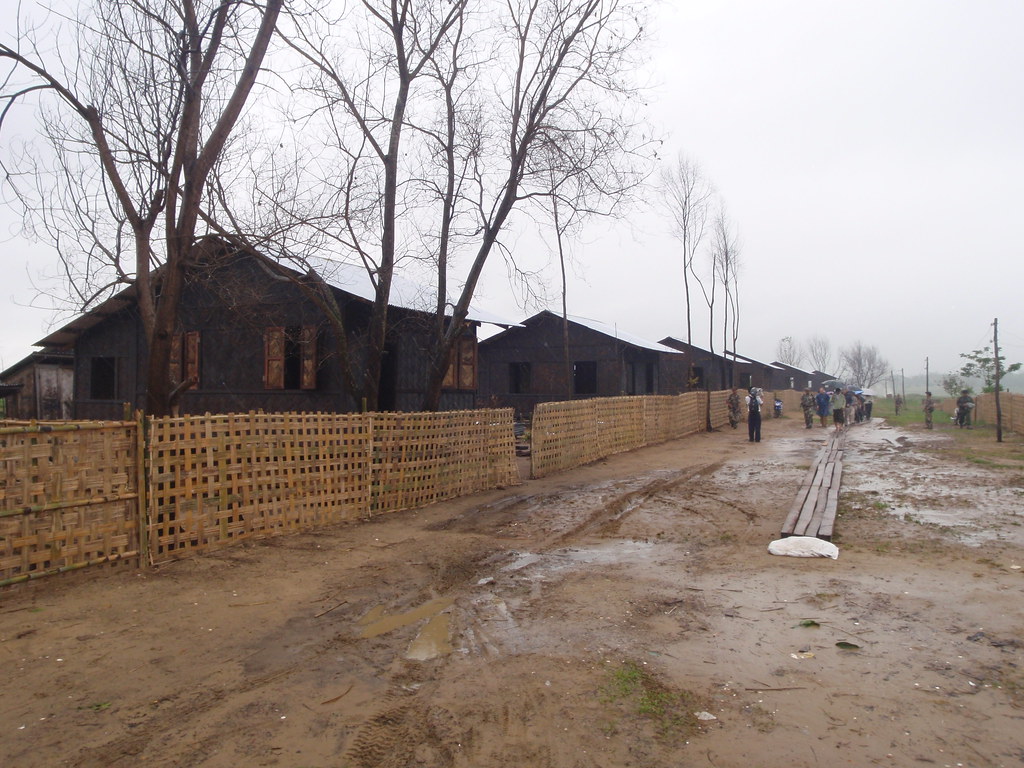
Many Rohingya individuals and families continue to live in dire conditions in refugee camps across Bangladesh and other neighboring countries. The ruling may lead to increased pressure on Myanmar to address these humanitarian concerns and facilitate the safe return of displaced Rohingya. However, skepticism persists regarding Myanmar’s willingness to comply with international demands.
Moreover, the ruling has prompted a renewed focus on the need for accountability. Rohingya leaders and activists are advocating for the establishment of mechanisms to ensure that those responsible for the atrocities are held accountable.
As the international community rallies to support the Rohingya cause, it is crucial that the voices of the communities affected are amplified. The ICJ ruling could serve as a catalyst for action, but the true measure of its impact will depend on the concrete steps taken to protect the rights and dignity of the Rohingya people.
Legal implications of the ruling
The recent ICJ ruling on Rohingya genocide carries significant legal implications that extend beyond the immediate context of Myanmar. This decision not only reinforces the importance of international law in addressing acts of genocide but also sets a precedent for future cases involving state responsibility for human rights violations.
One of the key implications is the reaffirmation of the principle of universal jurisdiction, which allows states to prosecute individuals accused of genocide regardless of where the crime occurred. This principle may encourage other nations to take legal action against those involved in the Rohingya genocide, contributing to a broader movement for accountability.
Furthermore, the ruling places pressure on Myanmar to comply with international norms and obligations. Failure to adhere to the ICJ’s directives could result in increased diplomatic isolation and sanctions from the international community. The ruling also serves as a critical reminder to other countries that they cannot ignore systemic violence against minority groups.
Lastly, the decision may lead to a reevaluation of international mechanisms for protecting vulnerable populations. As more countries acknowledge the ruling, it could pave the way for enhanced cooperation in preventing future genocides and ensuring that justice is served for the victims of such atrocities.
International reactions
The recent ICJ ruling on Rohingya genocide has elicited a mixed bag of reactions from the international community. Various nations and organizations have expressed their support for the court’s decision, underscoring the need for accountability and justice for the Rohingya people.
Among the countries that have publicly acknowledged the ruling, many emphasized the importance of collective action to address the humanitarian crisis. Statements from these nations have included:
- Support for Accountability: Several governments highlighted the necessity of holding accountable those responsible for the atrocities against the Rohingya.
- Humanitarian Aid: Calls for increased humanitarian assistance to Rohingya communities in refugee camps and diaspora have been prevalent.
- Ongoing Advocacy: Many human rights organizations are urging continued international pressure on Myanmar to comply with the ICJ ruling.
Conversely, some nations and analysts have criticized the ICJ ruling as insufficient, arguing that it may not lead to practical changes on the ground. Concerns have been raised about the potential for political fallout and the challenges in enforcing the court’s decisions. As international reactions continue to unfold, the focus remains on the long-term implications of the ruling for the Rohingya people and the region.
Historical context of the Rohingya crisis
The Rohingya crisis has its roots in a complex historical backdrop, marked by decades of discrimination and marginalization. The Rohingya, a predominantly Muslim ethnic group from Myanmar’s Rakhine State, have faced systematic oppression since the 1970s. The government’s refusal to recognize them as citizens has led to severe restrictions on their rights, including access to education, healthcare, and employment.
In 1982, a citizenship law effectively rendered the Rohingya stateless, further intensifying their plight. This exclusion has fostered an environment rife with violence and hostility. The situation escalated dramatically in August 2017, when a military crackdown, termed “clearance operations,” was launched in response to attacks by Rohingya militants. This resulted in a mass exodus of over 700,000 Rohingya to neighboring Bangladesh, where they currently reside in overcrowded refugee camps.
The International Court of Justice (ICJ) ruling on Rohingya genocide serves as a pivotal moment in addressing these atrocities. It acknowledges the severity of the situation and calls for Myanmar to take steps to prevent further acts of genocide. However, the effectiveness of this ruling in changing the realities on the ground remains to be seen, as many Rohingya continue to live in dire conditions, both in Myanmar and in exile.
Future of justice for the Rohingya
The future of justice for the Rohingya hinges on both international commitment and local accountability. Following the ICJ ruling on Rohingya genocide, there is cautious optimism among advocates and survivors alike. However, the path forward remains complex and fraught with challenges.
One key aspect is the international community’s role in enforcing the ruling. Countries that have recognized the ICJ’s decision must now translate their acknowledgment into tangible actions, such as sanctions or diplomatic pressure on Myanmar. The effectiveness of these measures will largely depend on the unity among nations and their willingness to prioritize human rights over geopolitical interests.
Additionally, the legal pathways for Rohingya individuals seeking justice are still limited. Many face ongoing discrimination and violence, making it essential for both domestic and international courts to ensure accountability for past atrocities. Local initiatives aimed at documenting abuses could also play a critical role in building a case for future prosecutions.
Moreover, the Rohingya diaspora is crucial in advocating for their community’s rights on global platforms. Their voices can amplify the urgency of the situation, pushing for a sustained international focus on the plight of the Rohingya and ensuring that the ICJ ruling leads to meaningful change.
Next steps for the ICJ
The recent ICJ ruling on Rohingya genocide has prompted a call for action among member states and international organizations. In light of the ruling, several key steps are necessary to ensure accountability and support for the affected communities.
Firstly, the ICJ is expected to monitor Myanmar’s compliance with the ruling, which includes preventing further acts of genocide and protecting the rights of the Rohingya population. This oversight will require a collaborative approach involving various international bodies.
Secondly, countries that have expressed support for the ICJ’s findings must coordinate their diplomatic efforts. This may involve:
- Imposing targeted sanctions against individuals within the Myanmar military responsible for the atrocities.
- Increasing humanitarian aid to Rohingya refugees in neighboring countries and within Myanmar.
- Advocating for the establishment of a special tribunal to address the crimes committed against the Rohingya.
Lastly, the role of civil society and advocacy groups will be crucial in keeping the issue alive on the global agenda. By raising awareness and pressuring governments, these organizations can help ensure that the plight of the Rohingya is not forgotten as the world moves forward.
The ICJ ruling on Rohingya genocide has sparked widespread debate among human rights advocates and legal experts. Many are questioning whether the ICJ ruling on Rohingya genocide will lead to meaningful action or simply remain a symbolic gesture.