
Russia-Iran sanctions law is a pressing issue as Jaishankar flags India’s concerns during talks with Rubio. This dialogue highlights the complexities of international legal frameworks.
Understanding the Russia-Iran Sanctions Law
The recent discussions surrounding the Russia-Iran sanctions law have raised significant concerns for India. As the geopolitical landscape shifts, India is keenly aware of the implications that such sanctions may have on its diplomatic and economic relations.
During a recent meeting, Indian External Affairs Minister S. Jaishankar articulated these concerns to U.S. Senator Marco Rubio, emphasizing India’s strategic interests in the region. The sanctions law, aimed at curbing cooperation between Russia and Iran, could inadvertently affect India’s ongoing projects and partnerships.
Jaishankar pointed out several key aspects that India finds troubling:
- Impact on Energy Security: India relies on energy imports, and any sanctions could disrupt vital oil and gas supplies.
- Regional Stability: The law could exacerbate tensions in an already volatile region, impacting India’s security interests.
- Trade Relations: India has established trade ties with both nations, and the sanctions law could hinder economic opportunities.
- Geopolitical Dynamics: India’s position as a regional power could be undermined by unilateral actions from other states.
As the situation evolves, India seeks to navigate the complexities posed by the Russia-Iran sanctions law while maintaining its strategic autonomy and fostering stability in the region.
India’s Position on Sanctions
India’s response to the Russia-Iran sanctions law has been one of cautious concern, as officials emphasize the importance of maintaining diplomatic relations while addressing the potential economic implications. In recent discussions, External Affairs Minister S. Jaishankar highlighted India’s position, noting that the sanctions could adversely affect regional stability and economic interests.
During his talks with U.S. Senator Marco Rubio, Jaishankar articulated several key points regarding the sanctions law:
- Diplomatic Engagement: India believes in the necessity of dialogue and engagement with both Russia and Iran, viewing them as vital partners in various global endeavors.
- Economic Impact: The sanctions could have repercussions on India’s trade relations, especially in sectors where collaboration with these nations is crucial.
- Regional Security: India’s strategic interests in maintaining a balance in the region could be undermined by the unilateral enforcement of sanctions.
- Multilateral Cooperation: India advocates for a collective approach to handling issues related to sanctions, urging the global community to consider the broader implications of isolating nations.
As discussions continue, India remains committed to navigating its foreign policy while addressing the complexities introduced by the Russia-Iran sanctions law.
Impact on International Relations
The recent discussions surrounding the Russia-Iran sanctions law have raised significant concerns regarding its impact on international relations, particularly for nations like India that maintain strategic partnerships with both Russia and Iran. The law is perceived as a means to tighten economic pressures, which could potentially alter the geopolitical landscape.
India’s External Affairs Minister, S. Jaishankar, emphasized that the implications of the sanctions law could disrupt the delicate balance of power in the region. During his talks with U.S. Senator Marco Rubio, he outlined several key considerations:
- Energy Security: India relies heavily on energy imports from both Russia and Iran, and sanctions could jeopardize these critical supplies.
- Strategic Partnerships: Maintaining strong ties with both countries is essential for India’s broader foreign policy objectives, including countering terrorism and ensuring regional stability.
- Global Trade Dynamics: The enforcement of the sanctions law may have ripple effects on international trade, potentially complicating India’s economic engagements.
Furthermore, the sanctions could drive Iran closer to other nations, thus reshaping alliances and affecting India’s long-term strategic interests. As the global political environment evolves, India must carefully navigate the challenges posed by the Russia-Iran sanctions law to safeguard its national interests.
Key Players in the Discussion
The ongoing discussion surrounding the Russia-Iran sanctions law has drawn attention from various key players in international politics. Each has a stake in the implications of these sanctions, especially as they pertain to regional stability and global trade dynamics.
- India: As a nation with strong ties to both Russia and Iran, India has been vocal about its concerns. External Affairs Minister S. Jaishankar has emphasized the need for balanced approaches that consider India’s strategic interests and energy security.
- United States: The U.S. has been a major proponent of the sanctions law, aiming to curb Iran’s influence and activities. Lawmakers, including Senator Marco Rubio, have engaged in discussions with Indian officials to align perspectives on this pressing issue.
- Russia: The Kremlin views the sanctions as an infringement on its sovereignty and has sought to strengthen its ties with Iran as a countermeasure. This dynamic complicates the geopolitical landscape significantly.
- Iran: Facing pressure from the West, Iran has been actively seeking partnerships with other nations, including Russia and India. The sanctions law poses a challenge to its economic stability and diplomatic ambitions.
As these key players navigate the complexities of the Russia-Iran sanctions law, the outcome will likely influence not only their bilateral relations but also the broader geopolitical framework.
Future Implications for India
The recent discussions surrounding the Russia-Iran sanctions law have raised significant concerns for India, particularly regarding its strategic interests in the region. As tensions escalate due to these sanctions, India must navigate its diplomatic relationships carefully to mitigate potential fallout.
One of the primary implications for India is the potential shift in energy partnerships. India has been a long-time partner of both Russia and Iran, relying on them for oil and gas supplies. The imposition of sanctions could disrupt these crucial energy ties, forcing India to seek alternative sources, which may not be as reliable or affordable.
Moreover, the sanctions law could affect India’s defense procurement. Both Russia and Iran are integral to India’s defense strategy, with Russia being a key supplier of military hardware. Restrictions imposed by the sanctions could complicate existing agreements or hinder future contracts, jeopardizing India’s national security interests.
Additionally, India’s involvement in regional projects, such as the Chabahar port, may face challenges as geopolitical dynamics shift. The sanctions could lead to increased competition from other countries vying for influence in the region, particularly from the West and neighboring countries.
In summary, the Russia-Iran sanctions law presents multifaceted challenges for India. It is crucial for the Indian government to engage in proactive diplomacy to safeguard its interests while navigating the complex landscape shaped by these sanctions.
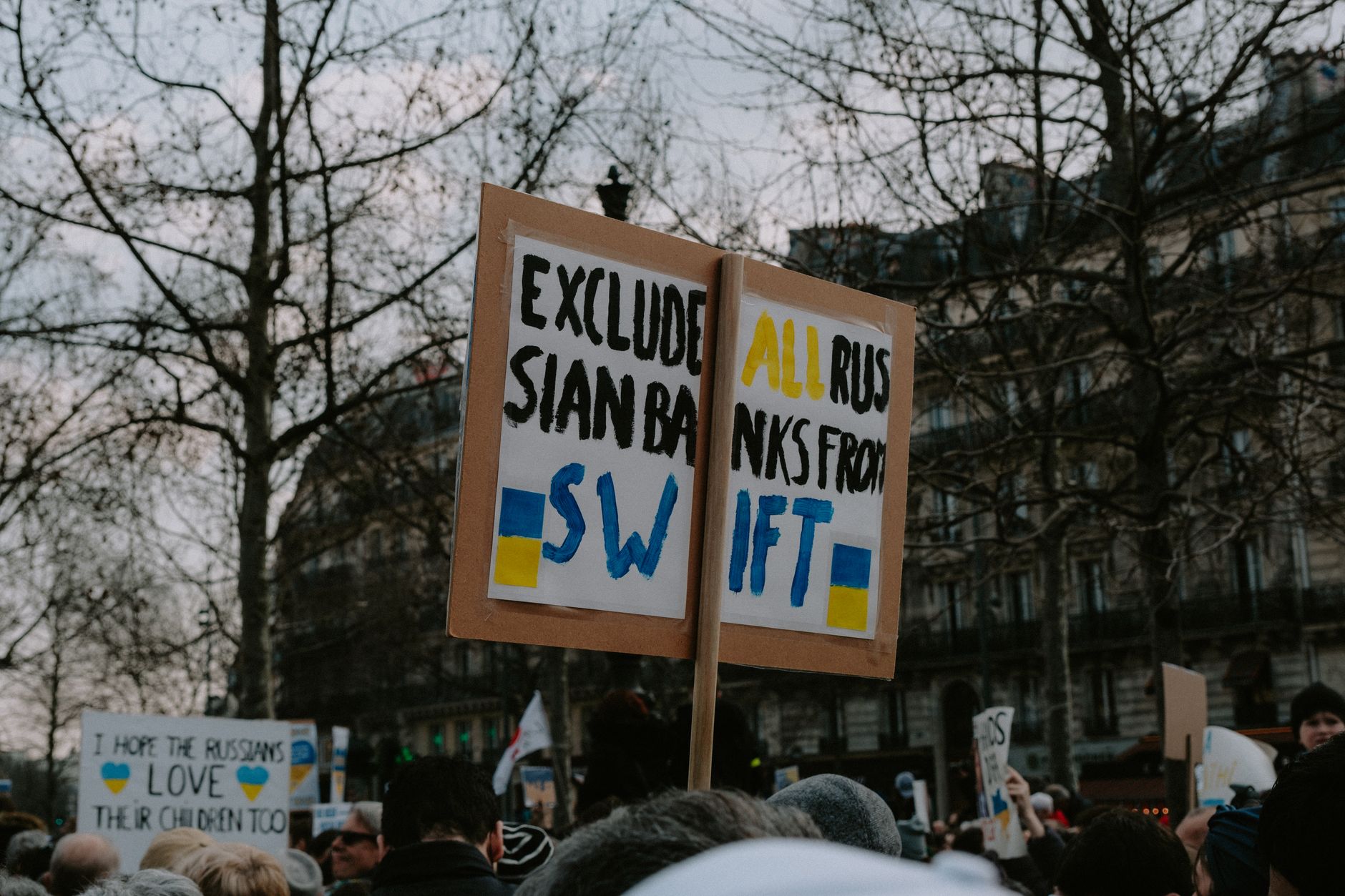
Photo by Mathias Reding on Pexels
Where this came from
EC appointments law: Right challenge to split bench decision · Employment law changes: What are the best updates to know? · Canada Citizenship Law Change: The Real Impact on U.S. Archives