
The Trump climate rules lawsuit has emerged as states challenge the repeal of vital climate regulations for power plants. This legal battle highlights the ongoing conflict over environmental policies.
Overview of the Lawsuit
The lawsuit against former President Trump’s repeal of climate rules for power plants has garnered significant attention from environmental advocates and state officials alike. This legal action, initiated by a coalition of states, aims to challenge the rollback of regulations designed to limit greenhouse gas emissions. The plaintiffs argue that these changes undermine efforts to combat climate change and jeopardize public health.
Key points of the lawsuit include:
- Environmental Protection Agency’s Role: The lawsuit contends that the Environmental Protection Agency (EPA) failed to uphold its responsibilities under the Clean Air Act.
- Impact on Public Health: Plaintiffs highlight that the repeal of climate rules could lead to increased air pollution, which poses risks to respiratory health and overall well-being.
- Economic Consequences: The states argue that stronger climate regulations could drive innovation and job growth in the renewable energy sector, countering potential economic losses from deregulation.
As the legal battle unfolds, experts note that this lawsuit could set a precedent for future climate policy. The outcome may not only influence Trump’s climate rules lawsuit but also shape the broader regulatory landscape for environmental protections in the United States.
Key States Involved
The lawsuit challenging the Trump climate rules has garnered significant attention from various states across the nation. Several key states have taken the lead in this legal battle, citing the need to protect their environmental standards and public health.
- California: Known for its stringent environmental regulations, California has been at the forefront of the fight against climate change. The state argues that the repeal of climate rules for power plants undermines its efforts to reduce greenhouse gas emissions.
- New York: As one of the largest contributors to the national economy, New York is also heavily invested in renewable energy initiatives. The state contends that the Trump climate rules lawsuit is essential for maintaining its progress toward a sustainable future.
- Washington: With its diverse ecosystems and commitment to environmental preservation, Washington has joined the legal efforts to challenge the rollback of climate protections, emphasizing the need for robust regulations to safeguard its natural resources.
- Massachusetts: This state has proactively worked to reduce carbon emissions and has expressed concern that the Trump administration’s actions could reverse years of progress.
These states, along with others, are united in their efforts to contest the Trump climate rules lawsuit, aiming to restore essential protections for the environment and public health.
Impacts on Power Plants
The lawsuit challenging the Trump climate rules has significant implications for power plants across the nation. As states rally against the rollback of environmental regulations, the impacts on power generation could be profound.
Power plants are major contributors to greenhouse gas emissions, and changes in climate policies can reshape their operational frameworks. The repeal of stringent regulations, originally aimed at reducing carbon emissions, raises concerns among environmental advocates and health officials alike.
The key impacts on power plants include:
- Increased Emissions: The rollback may lead to higher emissions of harmful pollutants, which could exacerbate climate change and air quality issues.
- Investment Uncertainty: The unpredictability surrounding climate regulations could deter investment in cleaner technologies, hindering the transition to renewable energy sources.
- Public Health Risks: Without robust climate rules, communities near power plants may face elevated health risks due to pollution, particularly vulnerable populations such as children and the elderly.
- Legal Battles: The ongoing Trump climate rules lawsuit may result in prolonged legal disputes, affecting the operational strategies of many power plant operators.
As states push back against these regulations, the outcomes of this lawsuit could pave the way for a new era in power generation, emphasizing sustainability and accountability.
Legal Arguments Presented
The lawsuit challenging the repeal of climate rules under the Trump administration presents several compelling legal arguments aimed at reinstating regulations designed to protect the environment. Advocates for the climate rules assert that the repeal violates both state and federal laws that mandate environmental protections. In their legal filings, the states argue that the decision to roll back these regulations undermines years of progress towards reducing greenhouse gas emissions.
One of the primary arguments hinges on the Administrative Procedure Act, which requires that any significant regulatory changes undergo a thorough review process. The plaintiffs contend that the Trump climate rules lawsuit demonstrates a lack of adequate justification and public input during the repeal process. They emphasize that the original regulations were based on extensive scientific evidence and public consultation, which the repeal disregards.
Furthermore, states argue that the repeal poses a direct threat to public health and safety, citing increased air pollution and associated health risks. This is particularly concerning for communities already burdened by environmental injustices. In addition, the lawsuit highlights the economic repercussions of deregulating power plants, asserting that it could lead to job losses in the renewable energy sector.
Overall, the legal arguments presented in the Trump climate rules lawsuit underscore the necessity of maintaining robust environmental protections in the face of changing political landscapes.
Public Reaction to Repeal
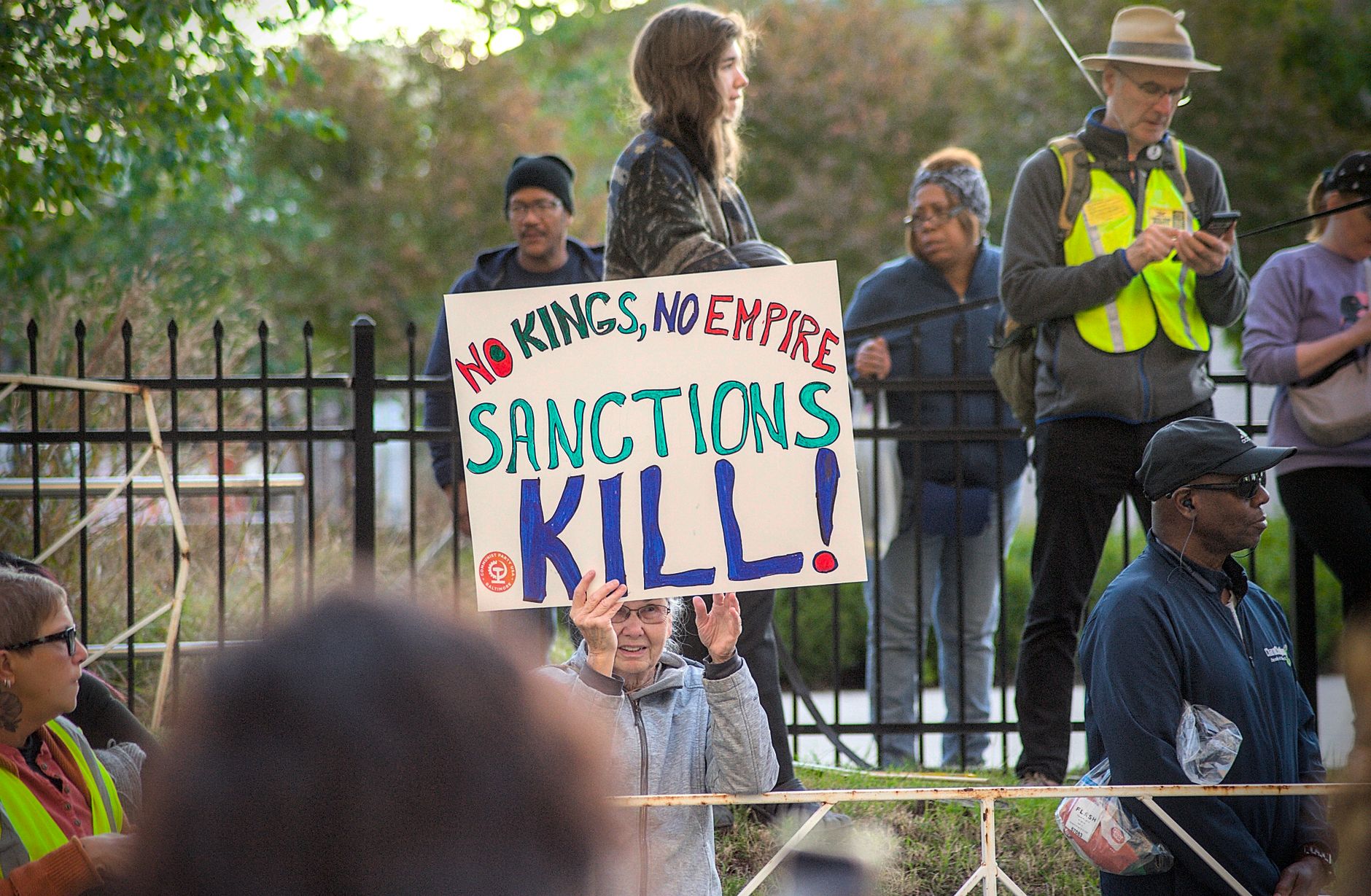
Public reaction to the Trump climate rules lawsuit has been mixed, with passionate responses from various stakeholders. Environmental groups and climate activists have voiced strong support for the lawsuit, arguing that the repeal of climate regulations undermines efforts to combat climate change. They emphasize the potential long-term damage to the environment and public health if these regulations are not reinstated.
Many community leaders and citizens in the affected states have also expressed concern, highlighting the importance of clean air and water. Local residents have organized rallies and campaigns to raise awareness about the risks associated with the rollback of these rules. In a recent survey, a significant portion of respondents indicated they believe stricter climate regulations are essential for future generations.
On the other hand, some industry representatives argue that the repeal of these regulations is necessary for economic growth and job creation. They claim that imposing stringent climate rules could lead to increased energy costs and negatively impact the economy. This divide has fueled ongoing debates in local communities, making the issue a focal point in upcoming elections.
As the lawsuit progresses, public sentiment seems to be shifting toward greater awareness of the implications of the Trump climate rules lawsuit and its potential impact on environmental policy.
Future of Climate Regulations
The future of climate regulations in the United States hangs in the balance as the lawsuit over Trump climate rules advances. The legal battles being fought by several states could reshape the landscape of environmental policy significantly.
As the case unfolds, several potential outcomes may emerge:
- Reinstatement of Previous Standards: If the court rules in favor of the states, it may compel the federal government to reinstate the stricter climate regulations previously in place.
- New Legislative Measures: A ruling against the repeal could spur lawmakers to introduce new regulations aimed at reducing greenhouse gas emissions, reflecting a growing concern over climate change.
- Increased State Authority: The lawsuit could empower states to implement their own climate initiatives, allowing them to bypass federal restrictions and take more aggressive actions to combat climate change.
Regardless of the court’s decision, the ongoing public discourse surrounding the lawsuit emphasizes a significant shift in environmental priorities. Activists and environmental organizations are rallying support, advocating for stronger protections against climate change.
As the nation watches closely, the outcome of the Trump climate rules lawsuit could set a pivotal precedent for environmental governance and the fight against climate change in the years to come.
The Trump climate rules lawsuit has sparked a renewed debate about environmental regulations in the United States. As advocates push for stricter policies, the implications of the Trump climate rules lawsuit could shape future legislation significantly.
References
Is the EC Act 2023 Challenge a Clear Legal Misstep? · New Cricket Laws: The Best Changes You Need to Know · Nitesh Siwach Gold Medal: Proven Path to Victory