
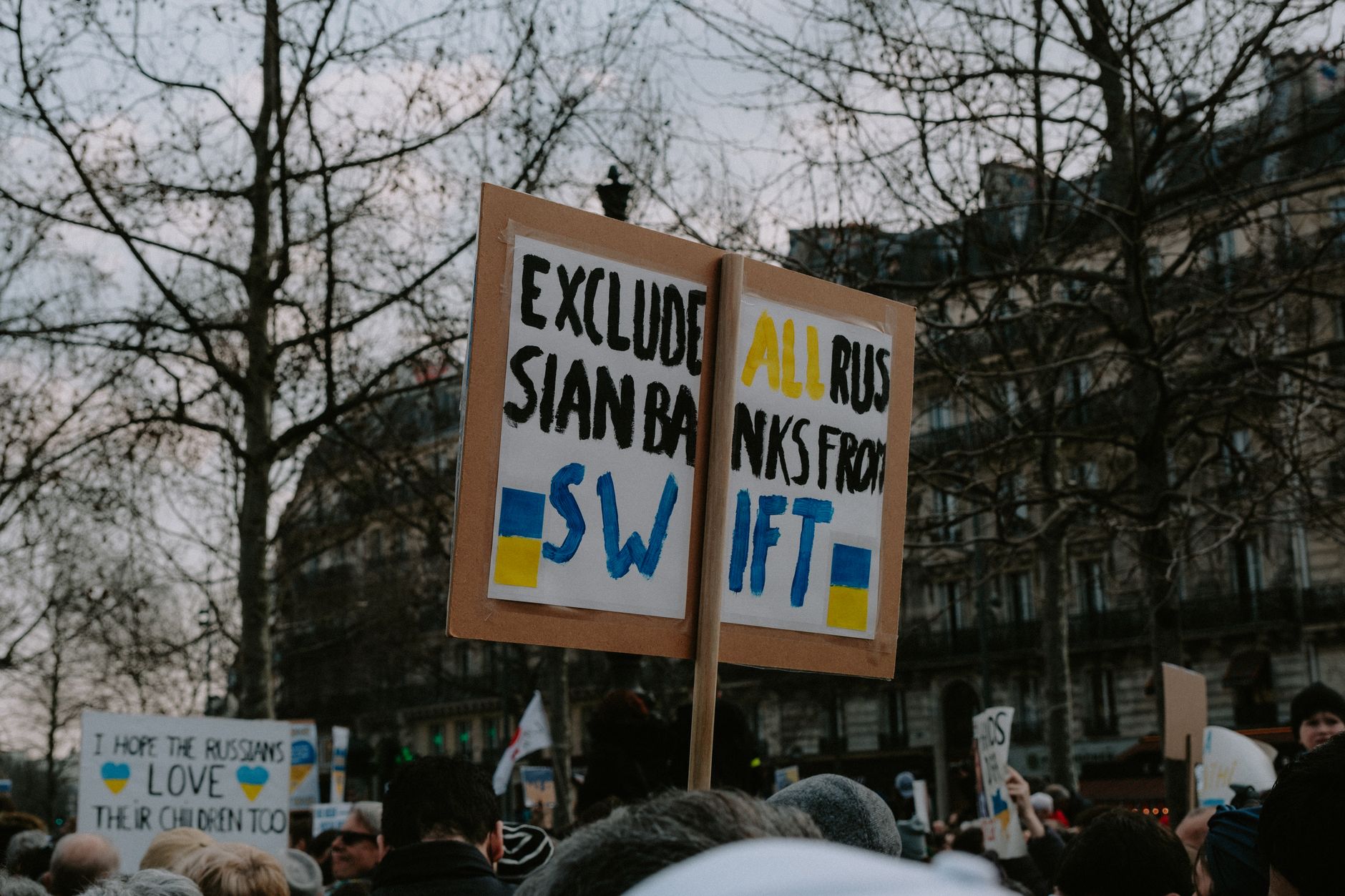
Russia-related sanctions are at the forefront as Trump waives many tariffs before they take effect. This decision could significantly alter international trade relations and economic strategies.
Overview of Recent Sanction Changes
Recent developments in the realm of Russia-related sanctions have sparked significant discussions among global trade experts and policymakers. Following a series of geopolitical tensions, the United States had initially planned to impose stricter sanctions on Russia, aimed at curbing its influence and activities on the international stage. However, a surprising move by former President Trump resulted in the waiving of many of these sanctions just before they were set to take effect under a new law.
This decision has raised concerns regarding the potential implications for international trade relations. Critics argue that such actions could undermine the effectiveness of sanctions designed to hold Russia accountable for its actions, while supporters believe it could foster dialogue and reduce tensions. The changes have led to a complex environment where businesses are left navigating the uncertain waters of trade regulations.
- Impact on Import/Export: Many businesses are reassessing their strategies in light of the fluctuating sanctions.
- Market Reactions: Stock markets reacted with volatility to the announcement, reflecting investor uncertainty.
- Future Outlook: Experts predict ongoing adjustments as countries respond to the shifting landscape.
Impact on International Trade
The recent changes in Russia-related sanctions have led to significant repercussions for international trade. As countries navigate the complexities of these sanctions, businesses are feeling the effects in various ways.
Numerous industries are grappling with the new landscape, which has introduced uncertainties in supply chains. Trade partners are hesitant to engage with Russian entities, fearing potential repercussions from governments enforcing sanctions. This has led to a decrease in trade volume and a reevaluation of existing contracts.
Key areas impacted include:
- Energy Sector: The oil and gas trade has been particularly hit, with many countries limiting imports from Russia.
- Technology and Equipment: Restrictions on exports of high-tech goods have stifled innovation and development in Russia.
- Agricultural Products: Sanctions on agricultural imports have affected global markets, leading to increased prices.
Moreover, businesses that previously relied on Russian partnerships are now seeking alternative markets, resulting in a shift in global trade patterns. The long-term implications of these sanctions will likely reshape international trade dynamics for years to come.
Legal Implications of Waiving Tariffs
The recent decision to waive several Russia-related sanctions and tariffs has sparked significant legal implications that could reshape international trade dynamics. Experts argue that this move raises questions about the consistency and enforceability of the existing legal framework governing sanctions.
Many legal analysts believe that waiving tariffs, particularly in a context where they were legislated to take effect, could set a precedent that undermines Congress’s authority in foreign policy matters. The implications may extend beyond trade, potentially affecting diplomatic relations and national security considerations.
Moreover, there is concern that such actions could lead to:
- Increased uncertainty for businesses operating in or trading with Russia, as they may struggle to navigate the shifting legal landscape.
- Potential legal challenges from parties adversely affected by the waivers, possibly resulting in lengthy court battles.
- Diplomatic tensions with allies who support stricter sanctions, leading to fractures in international coalitions against Russia.
As the legal ramifications unfold, the global trading community remains on high alert, closely monitoring how these changes will influence their operations and compliance strategies.
Experts Weigh In on Economic Effects
Experts are increasingly voicing concerns about the long-term economic effects of the recent adjustments to Russia-related sanctions. According to a panel of economists, the waiving of these sanctions could lead to significant shifts in trade dynamics globally.
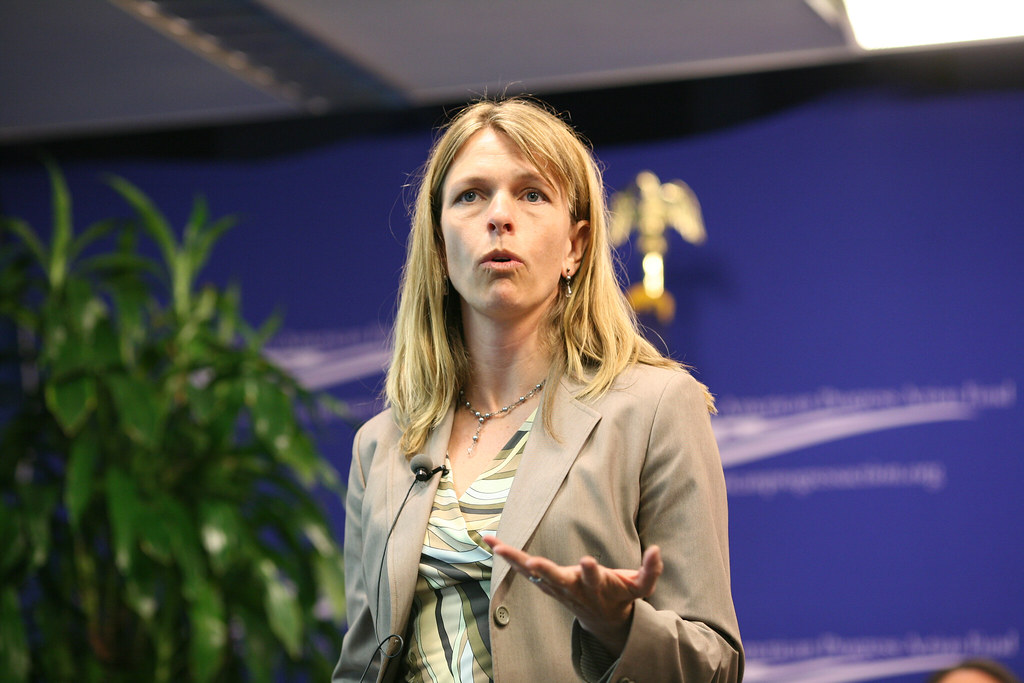
One prominent economist stated, “While the immediate relief from sanctions may seem beneficial, the potential for increased trade with Russia raises questions about the integrity of global markets.”
Several key areas are likely to experience notable impacts:
- Energy Markets: The lifting of tariffs could result in a surge of Russian energy exports, affecting global oil prices.
- Investment Flow: Investors may reconsider their positions in Russian markets, leading to increased volatility.
- Geopolitical Tensions: The easing of sanctions might provoke reactions from other nations, complicating diplomatic relations.
Furthermore, experts highlight that while short-term gains may be apparent, the long-term implications of Russia-related sanctions adjustments could alter trade relations for years to come. “It’s crucial for policymakers to weigh the future costs against any temporary benefits,” one analyst remarked.
Future of US-Russia Relations
The future of US-Russia relations remains uncertain, particularly in light of the recent trend towards easing Russia-related sanctions. While some view this as a potential thaw in diplomatic tensions, others express concern over the implications for global security and the rule of law.
Several factors will influence the trajectory of these relations:
- Domestic Political Climate: The changing political landscape in the U.S. may lead to fluctuating approaches towards Russia, with each administration potentially altering the sanctions framework.
- International Alliances: The United States must consider its relationships with NATO allies and other countries impacted by Russian actions, particularly in Eastern Europe.
- Economic Interests: As businesses look to re-engage with Russian markets, the balance between economic opportunity and national security will be a critical point of contention.
- Global Responses: The reactions from other nations in response to changes in sanctions could either exacerbate or alleviate tensions.
In summary, the evolution of US-Russia relations in the wake of changing Russia-related sanctions will require careful navigation to ensure both economic and geopolitical stability.
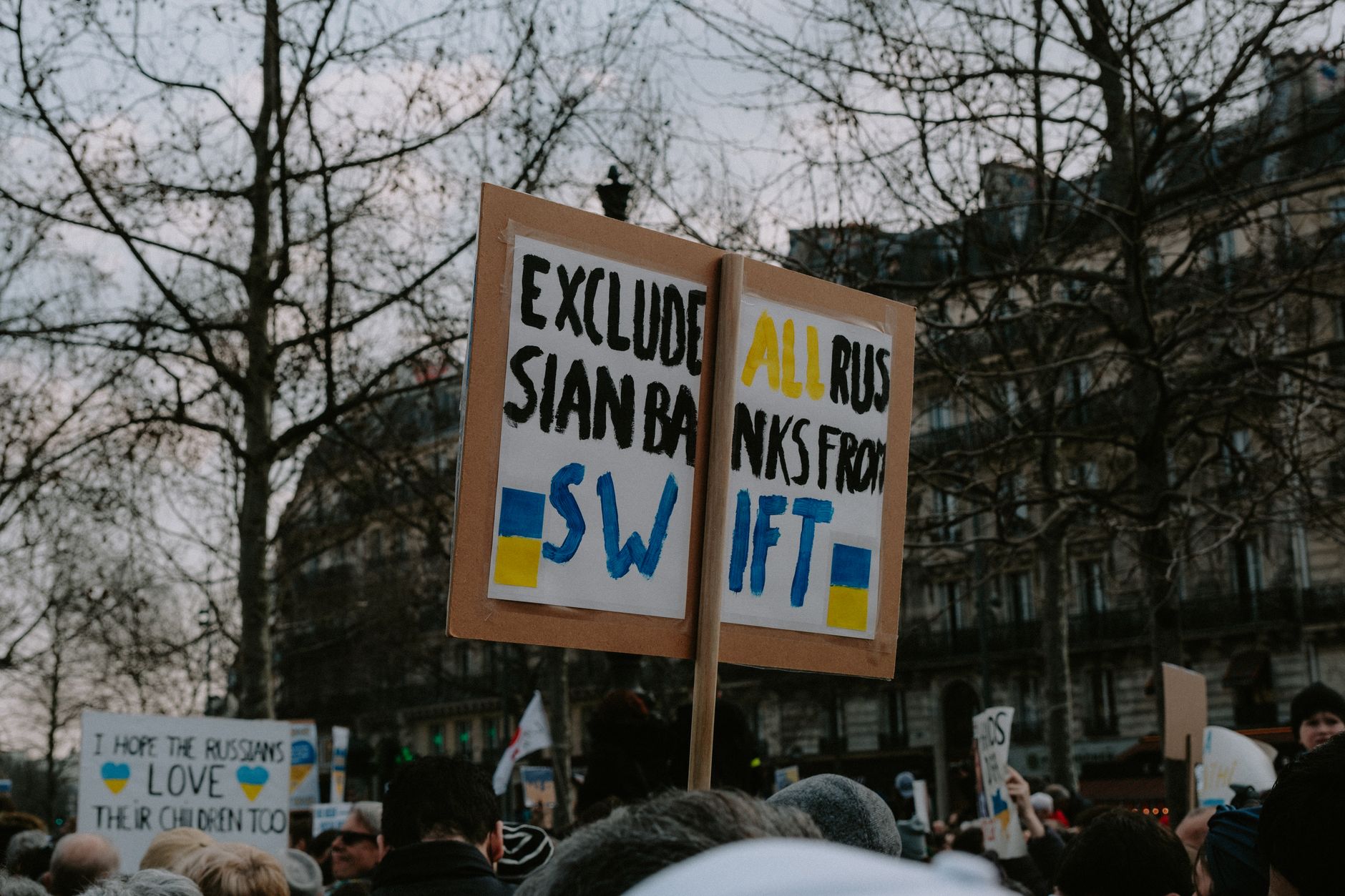
The latest analysis highlights that Russia-related sanctions have significantly disrupted global supply chains. As countries navigate the complexities of these Russia-related sanctions, businesses are feeling the strain of increased costs and reduced trade opportunities.
Photo by Mathias Reding on Pexels
Where this came from
Related stories
NCAA player eligibility lawsuit: Clear legal implications · UK Sanction Powers: Clear Action Against Settlement Support · Kotak Debt Funds Face Worst Halt After Yes Bank Ruling