

Gyanesh Kumar resignation has sent shockwaves through the legal community, prompting discussions about its implications on governance and legal reforms.
Understanding the Gyanesh Kumar Resignation
The resignation of Gyanesh Kumar has sparked considerable debate among political analysts and the public alike. Many are questioning the implications of this decision and whether it could be considered the worst decision ever made in his career.
Understanding the context surrounding the Gyanesh Kumar resignation is essential to grasp its potential impact. Key points of discussion include:
- Political Climate: The current political landscape has been tumultuous, with various stakeholders vying for power and influence.
- Policy Decisions: His tenure was marked by controversial policies that garnered both support and opposition.
- Public Reaction: Many citizens have expressed mixed feelings about his leadership and the ramifications of his exit.
Furthermore, some experts argue that the resignation may lead to a shift in strategies among rival political factions. The call for a rollback of certain initiatives, like the SIR policy, has also gained traction in light of this change. Overall, the Gyanesh Kumar resignation raises pertinent questions about his legacy and the future direction of the political arena.
Impact of SIR Rollback on Legal Framework
The recent resignation of Gyanesh Kumar has raised significant concerns regarding the impact of the SIR rollback on the legal framework. This decision, viewed by many as controversial, has implications that extend beyond immediate administrative changes.
Firstly, the rollback of the SIR could lead to a lack of clarity in legal processes. Stakeholders within the legal community have expressed worries that without Gyanesh Kumar’s leadership, the enforcement of established legal protocols may falter. This uncertainty could negatively affect ongoing cases and future legislative efforts.
Moreover, the SIR rollback is expected to result in:
- Increased litigation: The potential for legal disputes may rise as parties navigate the complexities introduced by the rollback.
- Policy gaps: Without clear guidelines, there may be inconsistencies in how laws are interpreted and applied.
- Public trust issues: Citizens may question the stability of the legal system, leading to a decrease in overall confidence.
As the dust settles from the Gyanesh Kumar resignation, the legal community will be watching closely to see how these changes manifest in practice.
What is the CJP’s Position?
The Chief Justice of the Supreme Court (CJP) has expressed a firm stance in light of the recent Gyanesh Kumar resignation. His position reflects a commitment to maintaining the integrity of the judicial system while navigating the complexities introduced by the resignation and the associated implications of the SIR rollback.
The CJP has outlined several key points to address concerns surrounding the issue:
- Judicial Independence: The CJP emphasizes the importance of maintaining an independent judiciary, free from external pressures that could arise from political or administrative changes.
- Legal Precedents: The repercussions of Gyanesh Kumar’s resignation are anticipated to influence future legal interpretations and decisions, necessitating a clear legal framework.
- Stakeholder Engagement: The CJP advocates for comprehensive discussions among legal experts and stakeholders to assess the impact of these developments on the judicial system.
- Future Reforms: Possible reforms to strengthen the legal framework are being considered, responding to the challenges posed by the recent events.
As the situation unfolds, the CJP’s perspective will play a pivotal role in shaping the discourse surrounding the Gyanesh Kumar resignation and its broader implications for the legal landscape.
Reactions from the Legal Community
The recent resignation of Gyanesh Kumar has sparked a wave of reactions from the legal community, showcasing a diverse range of opinions and concerns. Legal experts and practitioners have taken to various platforms to express their views on the implications of this decision.
Many legal analysts have described the Gyanesh Kumar resignation as a potentially detrimental move for the ongoing reforms in the legal system. A senior attorney commented, “This resignation could set back progress that has taken years to achieve.” Others echoed similar sentiments, emphasizing the need for stability in leadership during critical periods of legal reform.
Conversely, some believe that Kumar’s departure could open the door for new perspectives and strategies. A prominent legal scholar noted, “Change can often bring about necessary innovation, and perhaps this is an opportunity for fresh ideas.”
However, the consensus remains that the timing of the resignation could not be worse, especially with the recent SIR rollback. The legal community is now left to ponder the long-term consequences of this move, as they await the CJP’s response to the evolving situation.
Historical Context of Resignations
Resignations in high-profile positions often trigger widespread debate, particularly when they are perceived as abrupt or controversial. The Gyanesh Kumar resignation is no exception, as it adds to a long history of significant resignations that have shaped legal and political landscapes. Understanding the implications of such decisions requires examining past instances where resignations led to pivotal changes.
Historically, resignations can signify a shift in power dynamics or a response to public dissent. For example:
- Political Fallout: Notable leaders have resigned under pressure, leading to government overhauls and shifts in policy direction.
- Legal Precedents: In the legal realm, resignations can alter the course of important cases, impacting judiciary operations and public trust.
- Public Sentiment: Resignations often reflect underlying societal issues, resonating with public sentiment and sparking movements for change.
The Gyanesh Kumar resignation is situated within this historical context, raising questions about accountability and governance. As reactions from various stakeholders continue to unfold, the long-term ramifications of this decision will likely be scrutinized for years to come.
Future Implications for Legal Governance
The resignation of Gyanesh Kumar has sparked significant debate regarding its potential implications for legal governance in the country. Many experts believe that this decision could lead to a series of cascading effects that might alter the current legal landscape.
Some of the key implications include:
- Leadership Vacuum: Kumar’s departure may create a leadership void that could hinder ongoing legal reforms.
- Policy Uncertainty: The change in leadership may lead to uncertainty regarding existing policies, especially in the context of the recent SIR rollback.
- Judicial Independence: Concerns arise about the future of judicial independence and the ability of the legal system to operate without political interference.
- Public Trust: The resignation could impact public confidence in legal institutions, potentially leading to skepticism about their functionality and impartiality.
Furthermore, critics of the Gyanesh Kumar resignation argue that it may set a concerning precedent for future officials, where personal or political pressures could unduly influence critical legal decisions. As the legal community grapples with these changes, the repercussions of this resignation may unfold in unpredictable ways.
Public Opinion on Legal Reforms
Public opinion surrounding the recent Gyanesh Kumar resignation reflects a mix of concern and skepticism regarding the future of legal reforms in the country. Many citizens believe that this decision could jeopardize ongoing efforts to enhance the legal framework, particularly after the controversial SIR rollback.
In a recent survey, respondents shared their views on the implications of Kumar’s departure:
- Distrust in the System: A significant number of individuals expressed that the resignation has fostered distrust in the legal system, raising questions about the motivations behind such a sudden exit.
- Calls for Accountability: Many advocates are calling for greater transparency and accountability in the decision-making processes that led to the resignation.
- Support for Reforms: On a more positive note, some citizens view this moment as an opportunity to push for more substantial legal reforms, indicating a desire for a more robust governance structure.
- Concerns Over Stability: Critics argue that the Gyanesh Kumar resignation might lead to instability within the legal community, potentially hindering progress on crucial issues.
The mixed sentiments reveal a populace keenly aware of the impacts of legal leadership changes on broader societal norms and governance.
Conclusion: What’s Next for Legal Leadership?
As the dust settles on the Gyanesh Kumar resignation, questions loom regarding the future of legal leadership in the region. With the recent turmoil surrounding the SIR rollback and the Chief Justice’s stance, the legal community is at a crossroads. This resignation has not only shaken the foundations of legal governance but has also sparked a broader conversation about accountability and reform.
The next steps for legal leadership will be critical as stakeholders seek to navigate the complexities introduced by this sudden change. Legal experts suggest that a reevaluation of current policies may be necessary to restore public confidence and ensure stability. Key considerations include:
- Assessing the impact of leadership changes on ongoing legal reforms.
- Ensuring transparent processes in selecting a successor.
- Addressing public concerns regarding legal accountability.
Moreover, the legal community must unite to establish a vision that not only addresses immediate issues but also prepares for long-term challenges. The repercussions of the Gyanesh Kumar resignation will likely resonate for years to come, shaping the future of legal governance and reform efforts.
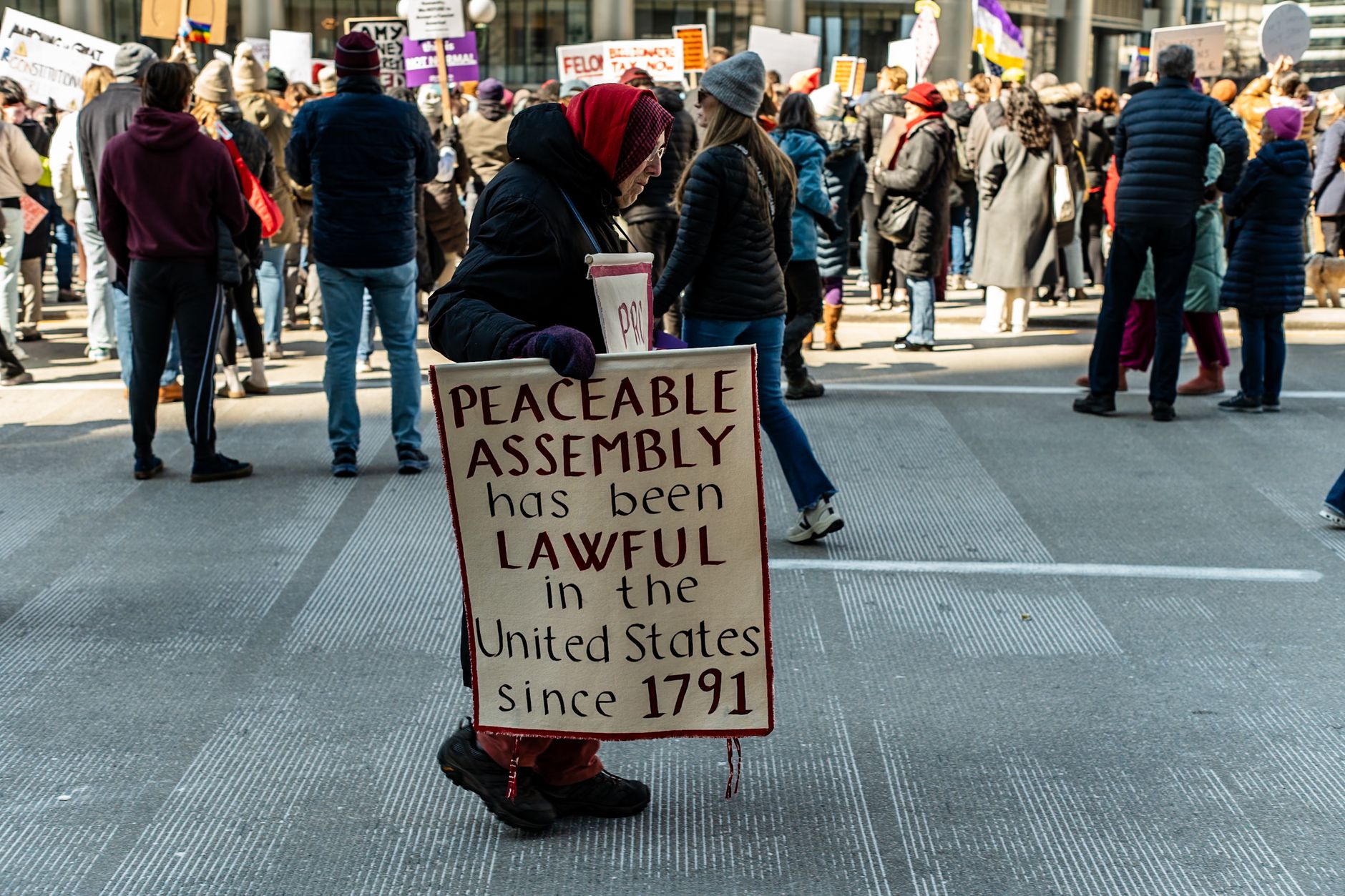
Photo by RDNE Stock project on Pexels
Sources
Related reading
Aussie visa rules change: Unfair impact on workers · Sanctions Law Concerns: Clear Impact on Global Relations · Russia-Iran Sanctions Law: Clear Concerns from India