
JCB machine export is set to revolutionize trade relations as Piyush Goyal flags off the first shipment to New Zealand. This significant development comes with the implementation of a new Free Trade Agreement.
Overview of JCB machine export
The recent flagging off of the first JCB machine export to New Zealand marks a significant milestone in trade relations between the two nations. This event coincides with the implementation of a Free Trade Agreement (FTA), which aims to bolster economic ties and enhance bilateral trade.
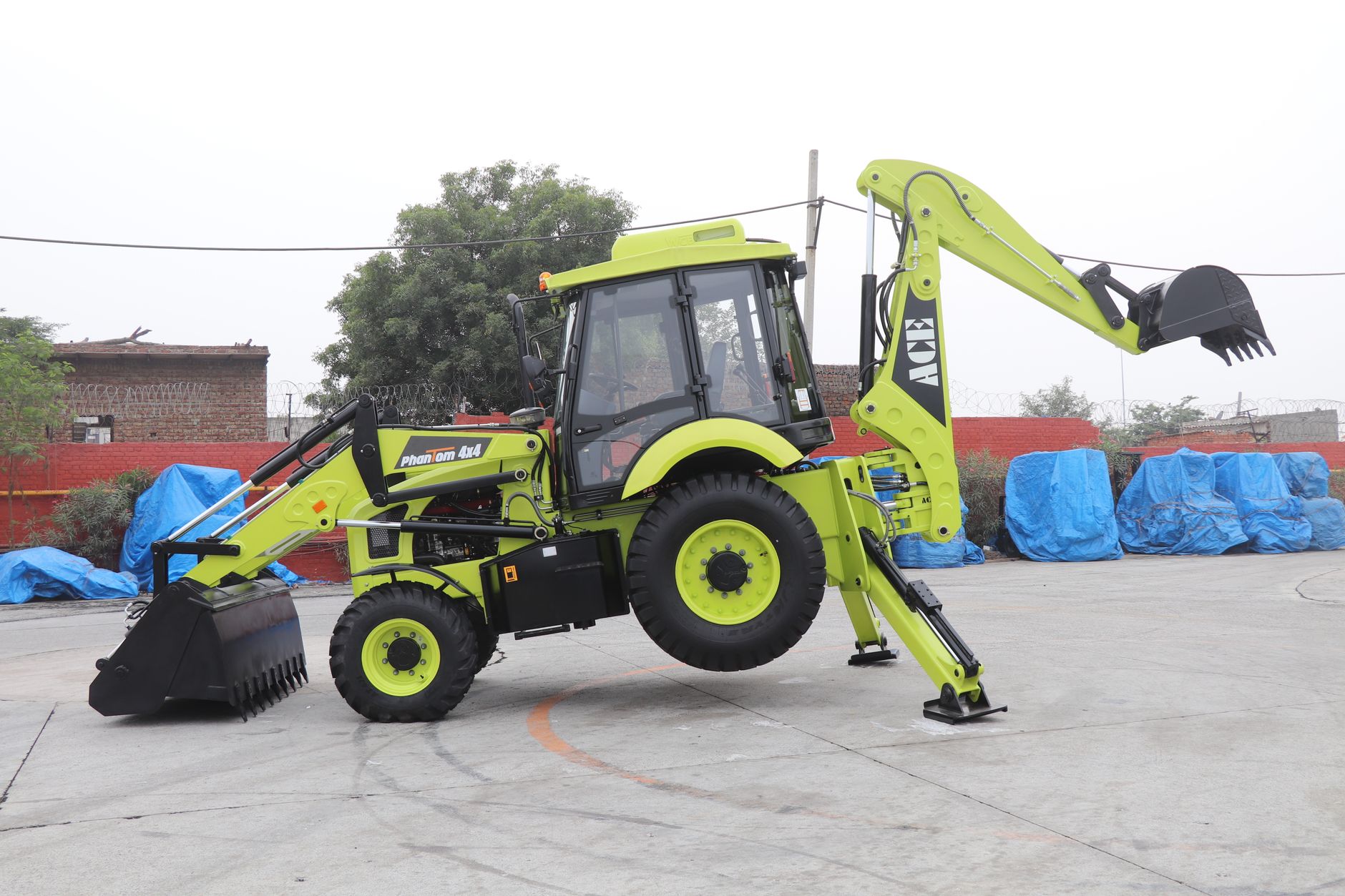
The JCB machines, known for their versatility and efficiency in construction and agricultural sectors, are expected to play a crucial role in New Zealand’s infrastructure development. As the demand for robust machinery continues to rise, the introduction of JCB products is poised to meet the needs of the local market.
Key benefits of this export initiative include:
- Increased Economic Growth: The export of JCB machines is anticipated to create jobs and stimulate economic activity in both nations.
- Enhanced Collaboration: The FTA facilitates smoother trade processes, fostering closer collaboration between New Zealand and India.
- Access to Advanced Technology: JCB machines are equipped with the latest technology, ensuring efficiency and productivity in various sectors.
As New Zealand embraces this new partnership, it will be interesting to observe the impact of the JCB machine export on local industries and the economy as a whole.
Impact of the Free Trade Agreement
The recent implementation of the Free Trade Agreement (FTA) marks a significant milestone for New Zealand’s trade relations with India, particularly in the context of the JCB machine export. This agreement is expected to enhance the economic ties between the two nations, paving the way for increased exports of heavy machinery.
With the FTA now in effect, several key impacts are anticipated:
- Reduced Tariffs: The FTA aims to lower tariffs on JCB machines, making them more affordable for New Zealand buyers and potentially boosting sales.
- Increased Market Access: Indian manufacturers will gain better access to the New Zealand market, facilitating smoother transactions and delivery times.
- Enhanced Collaboration: The agreement opens avenues for collaboration and technology exchange between Indian manufacturers and New Zealand companies, fostering innovation in the sector.
- Job Creation: The influx of JCB machines may lead to job creation in industries that rely on heavy machinery, such as construction and agriculture.
As the JCB machine export initiative takes flight, stakeholders in both countries are optimistic about the potential for growth and the overall economic benefits the FTA promises to deliver.
What does this mean for New Zealand?
The recent flag-off of the first JCB machine export to New Zealand marks a significant milestone in the country’s trade landscape. This development reflects the strengthening trade relations between India and New Zealand, particularly in the construction and infrastructure sectors.
As New Zealand embraces the influx of JCB machines, it could lead to several advantages for the local economy:
- Boost in Infrastructure Development: The introduction of JCB machines is likely to enhance the efficiency of construction projects, thereby accelerating infrastructure development across the nation.
- Job Creation: The increase in machinery availability may lead to more projects, resulting in job creation within the construction industry and related sectors.
- Technological Advancement: Access to advanced machinery like JCB can introduce innovative construction techniques, improving overall productivity.
- Trade Diversification: The JCB machine export signifies a diversification of trade partners, reducing reliance on traditional markets and fostering economic resilience.
However, it is also essential for New Zealand to consider the long-term implications of this trade move. Balancing local manufacturing with imports will be crucial to ensure that the economy remains robust while embracing global partnerships.
Future of India-New Zealand trade relations
The future of India-New Zealand trade relations appears promising, especially with the recent developments surrounding the JCB machine export. As both nations seek to strengthen economic ties, the exchange of machinery such as JCBs signifies a deeper collaboration in the construction and infrastructure sectors.
Trade relations between India and New Zealand have evolved significantly, particularly with the implementation of the Free Trade Agreement (FTA). This agreement not only reduces tariffs but also opens avenues for various sectors, enhancing bilateral trade. The export of JCB machines is a testament to this growing relationship, showcasing India’s capability in manufacturing advanced machinery.
As New Zealand focuses on expanding its infrastructure, the introduction of JCB machines could play a pivotal role. The versatility and reliability of these machines can meet the demands of New Zealand’s construction industry, potentially leading to increased productivity and efficiency.
Furthermore, the partnership could foster technology transfer and innovation, benefiting both countries. With India’s expertise in heavy machinery and New Zealand’s unique market needs, there is significant potential for collaboration. As the two nations continue to build on this foundation, the JCB machine export may just be the beginning of a fruitful economic journey.
Photo by Action Construction Equipment Ltd. – ACE on Pexels