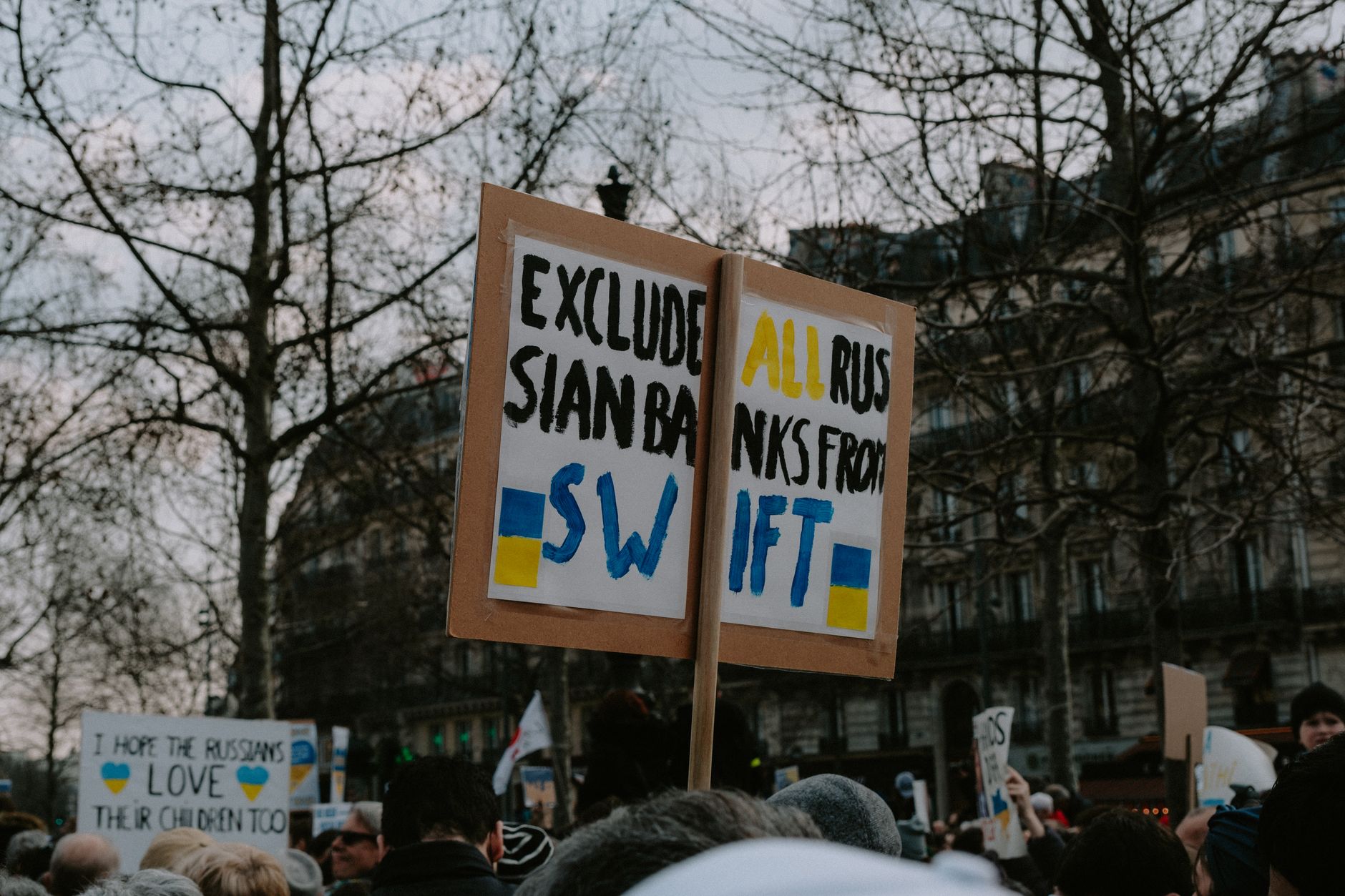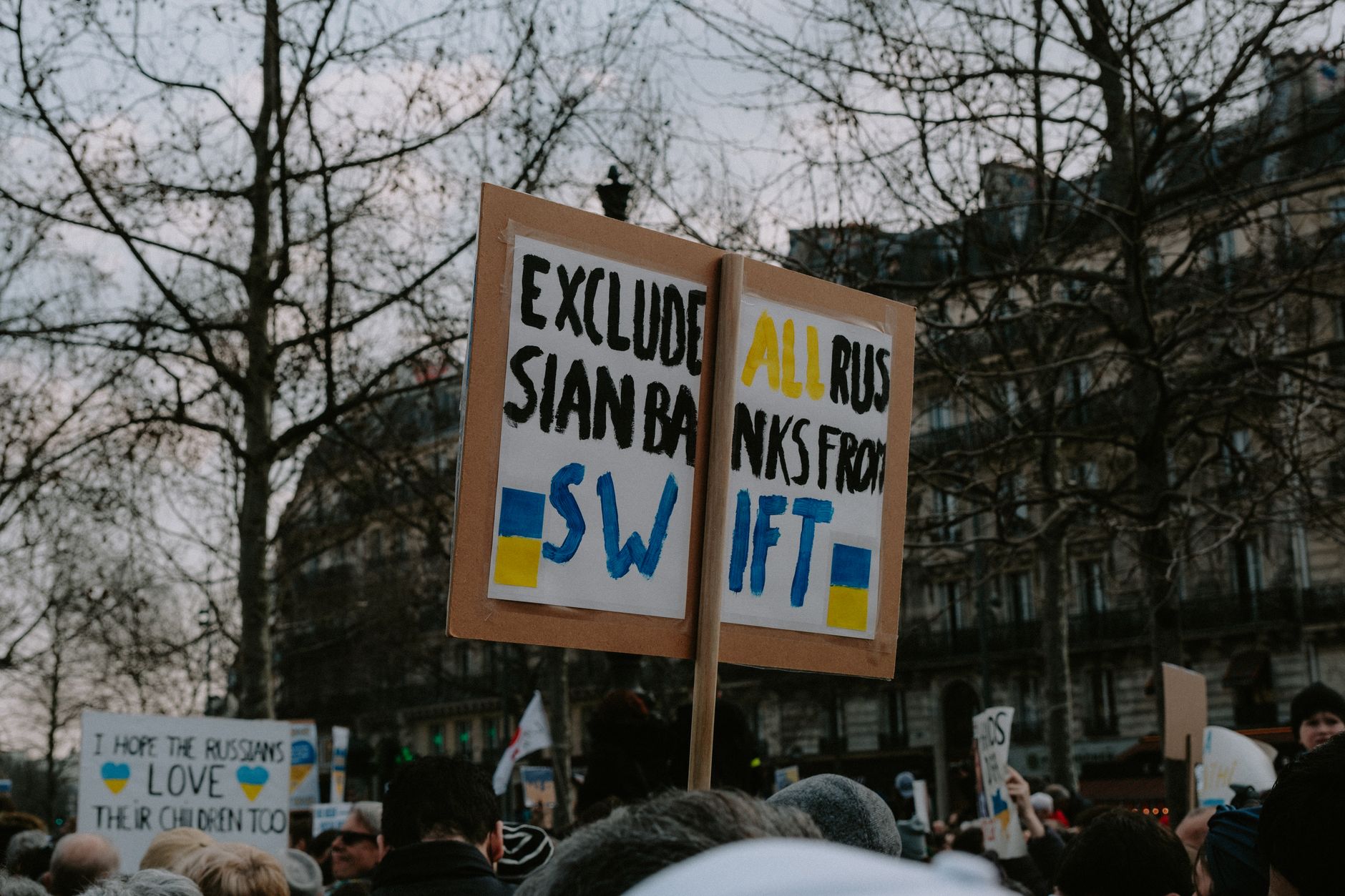

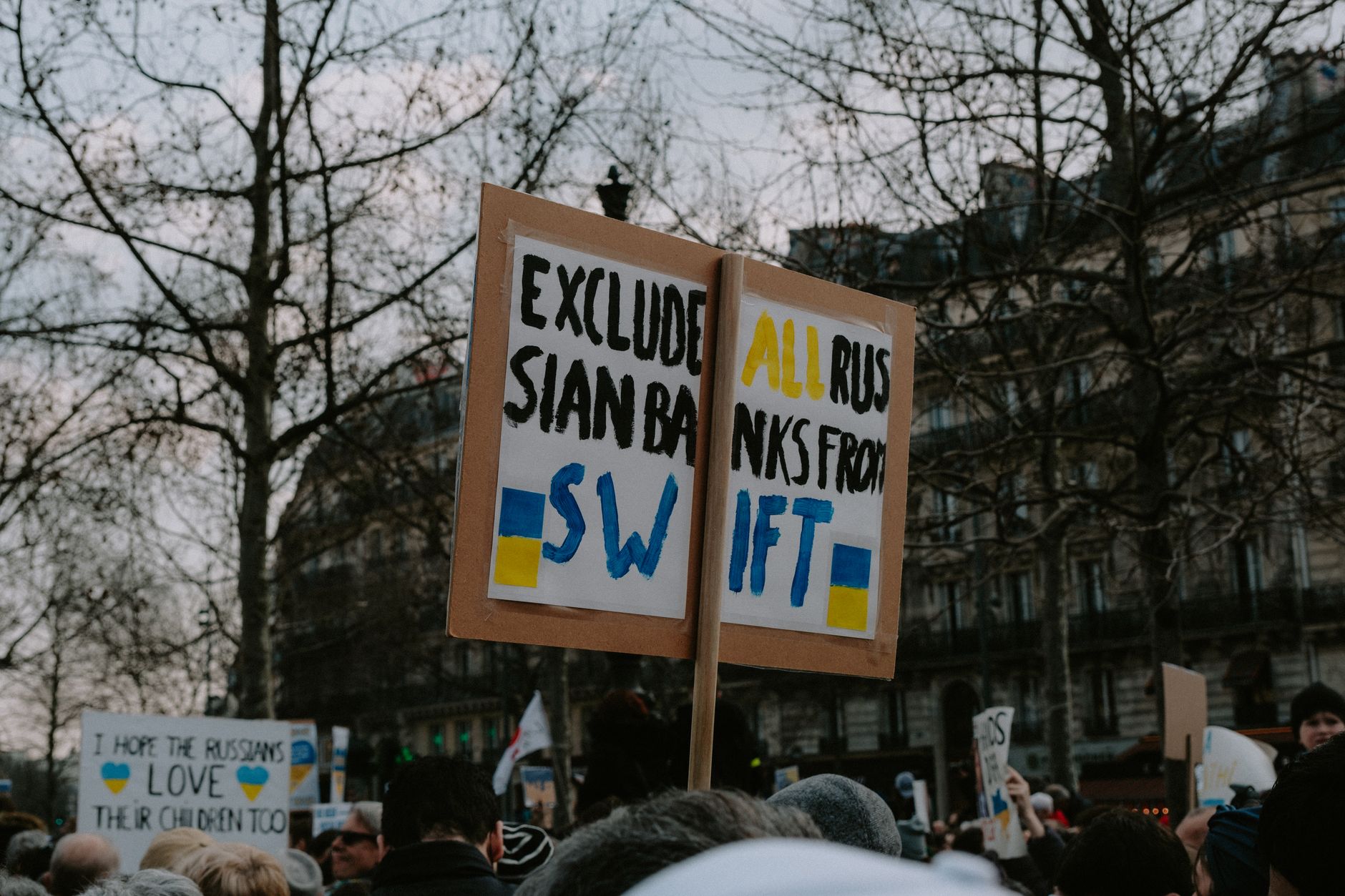
The Russia sanctions review is currently paused for 60 days, raising concerns about its impact on India and international relations. This decision by the Trump administration could have significant consequences.
Overview of the Russia sanctions review
The recent decision by the Trump Administration to pause the Russia sanctions review for 60 days has raised significant concerns among political analysts and international relations experts. This move, which aims to reassess the implications of the existing sanctions, particularly highlights the potential impact on key allies such as India.
Critics argue that delaying the review could undermine the effectiveness of the sanctions, which were initially implemented to deter Russia’s aggressive actions on the global stage. The timing of this pause has sparked debates about the motivations behind the decision and its consequences for U.S. foreign policy.
Supporters of the pause claim it allows for a more thorough evaluation of the sanctions’ impacts, suggesting that a strategic approach may yield better results in the long run. However, this perspective is met with skepticism, as many fear that the delay may embolden Russia and diminish the credibility of the U.S. as a leader in enforcing international norms.
Key points of contention include:
- The potential economic fallout for allies like India, who may face repercussions as a result of the sanctions.
- The effectiveness of sanctions in curbing aggressive state behavior.
- The overall impact on U.S. diplomatic relations with both allies and adversaries.
As the review period unfolds, the international community watches closely, eager to see how the U.S. will navigate these complex geopolitical waters.
Impact on India and trade relations
The recent decision to pause the Russia sanctions review has raised concerns about its potential impact on India and trade relations. As a nation that has maintained a delicate balance in its dealings with both Russia and the United States, India finds itself at a crossroads.
Experts warn that the suspension of the sanctions review could disrupt various sectors where India has significant investments. The following points highlight some of the key areas of concern:
- Defense Cooperation: India has long relied on Russia for military hardware and technology. Any changes in sanctions could affect ongoing defense projects.
- Energy Dependence: Russia is a major supplier of oil and gas to India. Sanctions could escalate energy prices, impacting India’s economic stability.
- Geopolitical Balancing: India’s relationships with both the U.S. and Russia are crucial for its strategic interests. A shift in sanctions could force India to choose sides.
- Trade Volume: Bilateral trade between India and Russia has been growing, particularly in sectors like pharmaceuticals and agriculture. Sanctions could hinder these developments.
As the Russia sanctions review looms, the repercussions for India could be significant, affecting trade relations and broader geopolitical stability in the region. The implications of this decision will be closely monitored by analysts and policymakers alike.
Legal implications of the pause
The decision to pause the Russia sanctions review has led to significant legal implications that could shape future foreign policy and regulatory frameworks. Analysts are concerned that this delay may undermine the credibility of existing sanctions and embolden countries that might otherwise comply with international norms.
One of the main legal challenges stems from the lack of clarity regarding the enforcement of sanctions during this pause. Key points to consider include:
- Compliance Issues: Companies and individuals involved in trade with Russia may find themselves in a legal gray area, unsure of their obligations during the review period.
- Potential Litigation: The pause could invite lawsuits from parties adversely affected by sanctions, claiming unfair treatment or economic harm.
- International Relations: Countries allied with the U.S. may reconsider their positions on compliance, seeing the review as a sign of instability in U.S. policy.
Moreover, the Russia sanctions review pause may lead to a reevaluation of existing legal frameworks that govern international sanctions. As stakeholders assess the implications, it becomes increasingly clear that the decision could have far-reaching effects not only on U.S.-Russia relations but also on global trade practices.
In conclusion, the legal implications of this pause present a complex landscape that could challenge the efficacy of sanctions and alter the dynamics of international law.
Reactions from international leaders
Reactions from international leaders regarding the recent pause in the Russia sanctions review have varied significantly, reflecting different geopolitical priorities and concerns.
Many European leaders expressed their discontent, highlighting the potential risks this decision poses to collective security and the integrity of international sanctions. German Chancellor Angela Merkel stated, “This review undermines the unity we have worked hard to maintain against Russian aggression.”
In contrast, some leaders from emerging economies viewed the pause as an opportunity. Indian Prime Minister Narendra Modi remarked, “We hope this will foster a more balanced dialogue and facilitate trade relations.” This sentiment indicates a desire to strengthen ties amid the shifting landscape of international policy.
Furthermore, U.S. lawmakers from both parties have voiced concern, with Senator Bob Menendez declaring, “This sanctions review pause could be one of the worst decisions ever made, jeopardizing our national security.”
Concerns are further amplified by human rights organizations, which argue that any relaxation of sanctions could embolden the Kremlin’s aggressive actions. Human Rights Watch emphasized, “The Russia sanctions review must not be sidelined, as it plays a critical role in holding the regime accountable.”
As the global community awaits further developments, the implications of this pause remain a hot topic of debate.
What’s next for Russia sanctions?
The recent pause in the Russia sanctions review has raised numerous questions about the future direction of international relations and trade. As the Trump Administration allows a 60-day window for further evaluation, many are left wondering what this means for Russia and its interactions with global powers.
In light of this pause, several key factors will influence the next steps for Russia sanctions:
- Reassessment of Current Policies: The administration’s review may lead to a complete overhaul of existing sanctions or the implementation of new directives, depending on the geopolitical landscape.
- Engagement with Allies: How the U.S. engages with its allies during this period will be crucial. Discussions about a unified front against Russia could shape the sanctions moving forward.
- Impact on Global Trade: Countries like India, which have significant trade ties with Russia, may find themselves navigating complex waters as they balance their economic interests with international pressure.
- Domestic Political Pressures: The administration will also have to consider domestic political reactions. Bipartisan support or opposition could greatly influence the outcome of the sanctions review.
As stakeholders await further developments, the implications of the Russia sanctions review continue to ripple through international relations. Observers are keen to see how these decisions unfold in the coming months.
Many analysts argue that the Russia sanctions review could lead to unintended consequences that may undermine global stability. As the debate intensifies, the implications of the Russia sanctions review are becoming increasingly scrutinized by policymakers worldwide.
Photo by Mathias Reding on Pexels