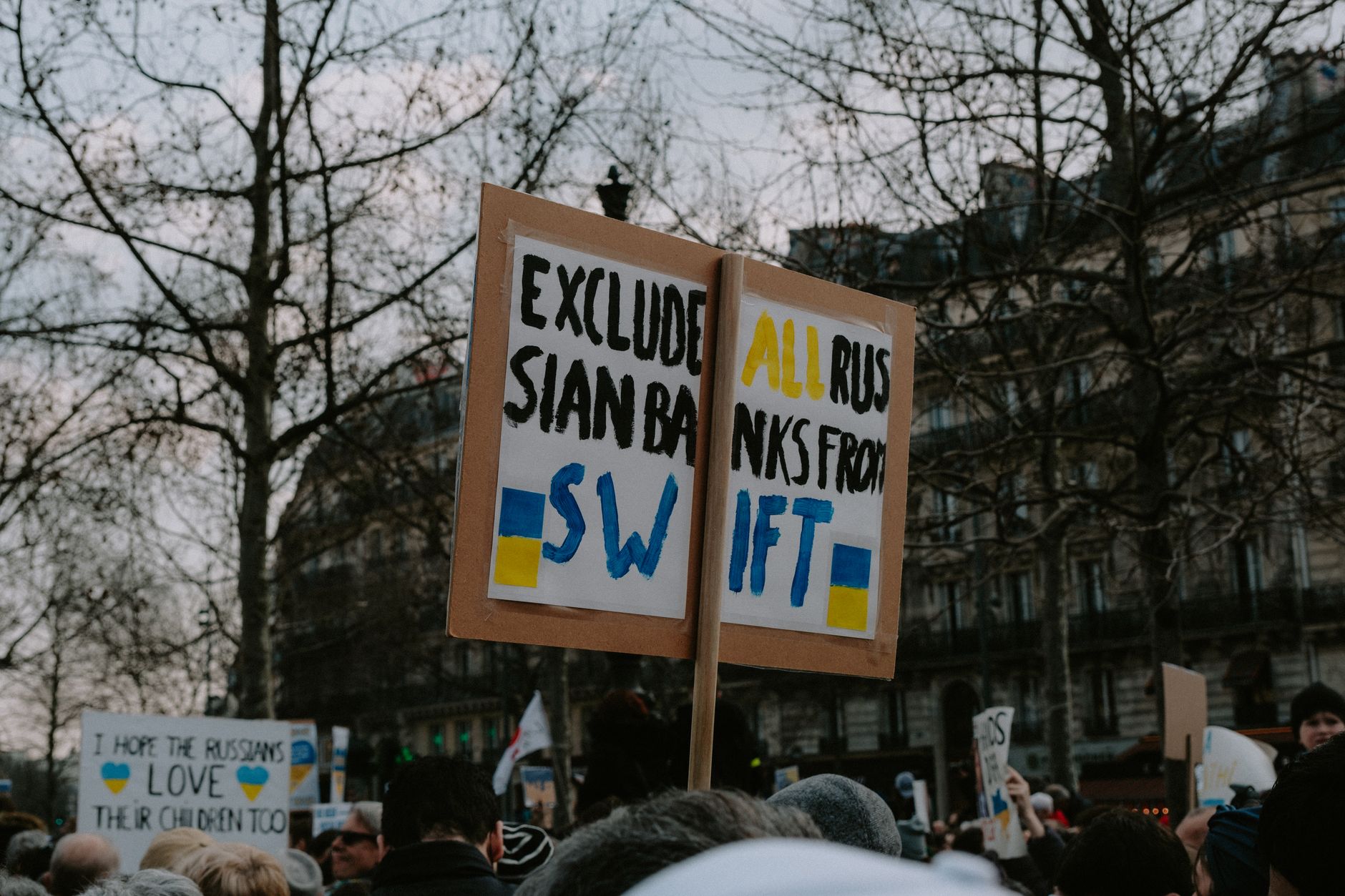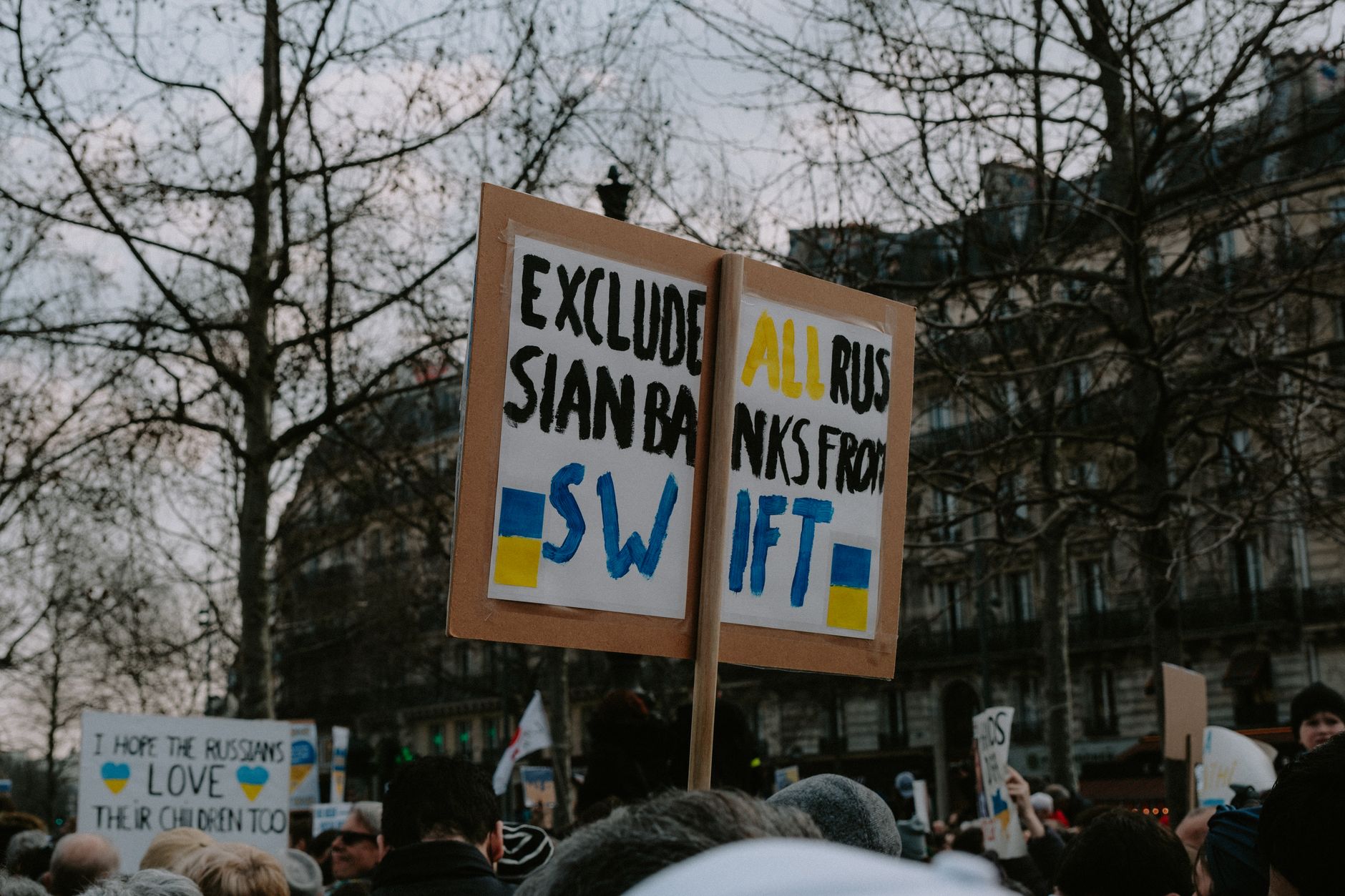

Russia sanctions analysis shows how Trump’s pause could affect global markets. This decision has raised questions about the broader implications for international trade and economic stability.
Understanding the Russia Sanctions
The recent announcement by former President Trump regarding the pause on Russia sanctions has sparked a significant debate among policymakers and economists. Understanding the Russia sanctions is crucial for assessing their real impact on the global economy.
Sanctions imposed on Russia primarily aim to deter aggressive actions and influence its foreign policy. However, their effectiveness can vary, raising questions about their long-term implications. Key points to consider include:
- Economic Consequences: The sanctions have led to a decline in Russia’s economic growth, affecting its export revenues, particularly in the energy sector.
- Global Market Dynamics: Countries that rely on Russian oil and gas face increased prices and supply chain disruptions, impacting their economies.
- Political Ramifications: The sanctions can strain international relations, influencing diplomatic negotiations and alliances.
- Countermeasures: Russia may seek alternatives, such as strengthening ties with non-Western nations, which could reshape global trade patterns.
As the implications of these sanctions unfold, a careful analysis will be essential to understand their broader effects. This ongoing Russia sanctions analysis will help gauge the balance between national security interests and economic stability worldwide.
Trump’s Decision Explained
In a surprising move, former President Donald Trump announced a pause on the implementation of Russia sanctions, citing the need to “analyze” their impact on the global economy. This decision has sparked considerable debate among political analysts and economists alike, as the implications of such a pause could resonate beyond U.S. borders.
Trump’s stance appears to be influenced by several factors:
- Global Economic Stability: There are concerns that strict sanctions could destabilize international markets, leading to adverse effects on trade and investment.
- Energy Prices: With rising energy prices already a concern, analysts worry that sanctions could exacerbate this issue, particularly for countries reliant on Russian oil and gas.
- Political Relationships: Trump’s decision may also reflect an attempt to maintain diplomatic ties with Russia, potentially easing tensions that have been building in recent years.
The implications of this pause in sanctions are still unfolding. As experts conduct a comprehensive Russia sanctions analysis, the global community watches closely to determine the long-term effects on economies worldwide, particularly in Europe and Asia where dependence on Russian resources is significant.
Impact on Global Economy
The recent decisions surrounding Russia sanctions have sparked intense discussions regarding their broader implications on the global economy. As various nations grapple with the intricacies of these sanctions, the analysis reveals several key areas of impact.
- Energy Prices: The sanctions on Russia, a major player in the global energy market, have led to fluctuations in oil and gas prices. A significant rise in energy costs can trigger inflationary pressures worldwide, affecting consumers and businesses alike.
- Trade Relationships: Countries reliant on Russian exports face challenges in sourcing alternative supplies. This disruption can strain international trade networks and lead to a reevaluation of existing partnerships.
- Investment Climate: Investors are wary of the instability created by sanctions. Uncertainty can deter foreign direct investment, particularly in sectors heavily intertwined with Russian markets.
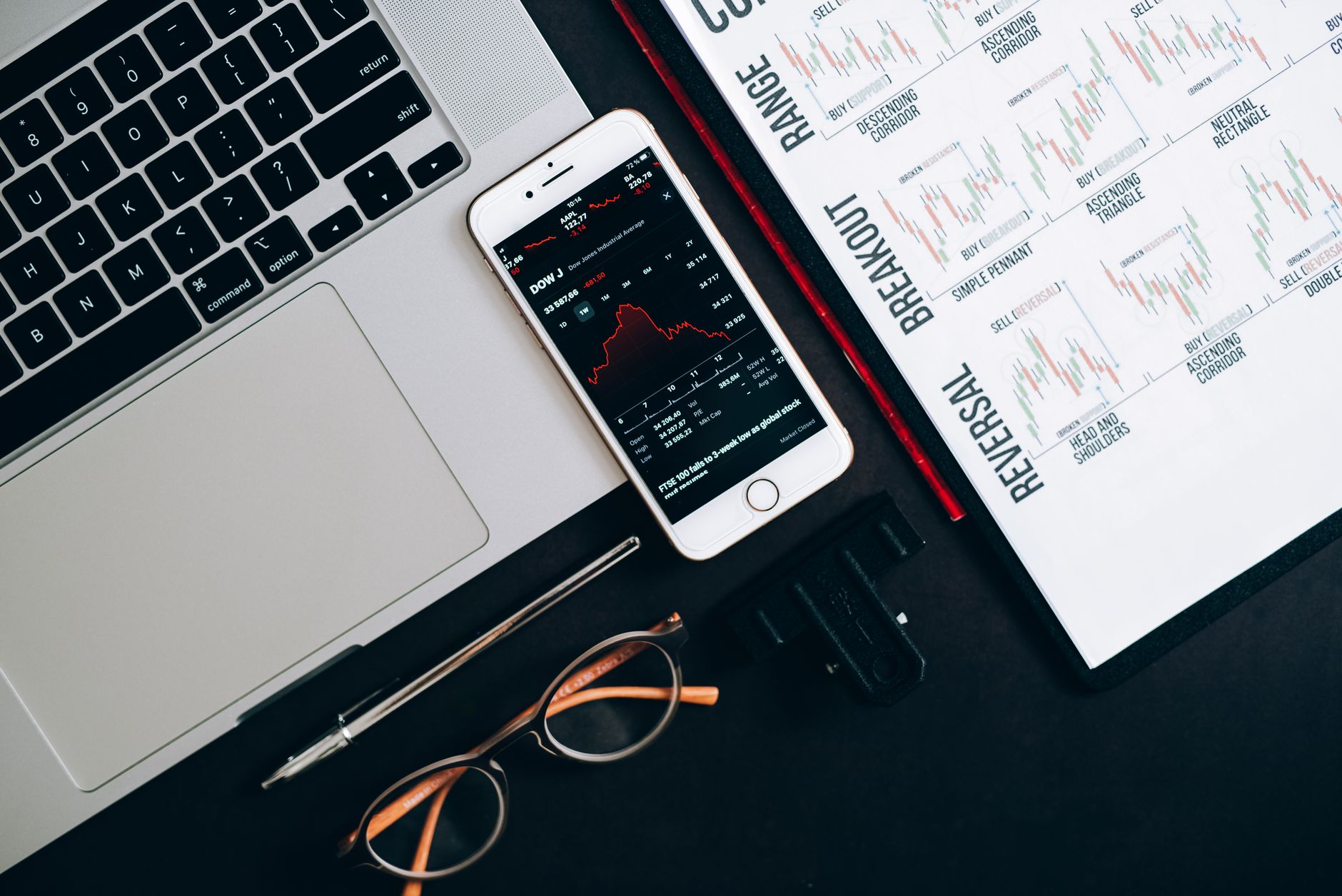
- Market Volatility: Financial markets have reacted to the news of sanctions with heightened volatility. This uncertainty can impact stock prices globally, affecting retirement funds and savings for millions.
In summary, the ongoing Russia sanctions analysis underscores the interconnectedness of today’s economy and the potential ripple effects that can emerge from geopolitical decisions.
Political Reactions to Sanctions
The political landscape surrounding the sanctions imposed on Russia has been charged with varying reactions from global leaders. As the implications of these sanctions unfold, many politicians are calling for a thorough Russia sanctions analysis to assess their effectiveness and repercussions.
In the United States, lawmakers have expressed concerns about the potential long-term effects on international relations and economic stability. Senator Marco Rubio emphasized the need for a careful evaluation, stating that President Trump’s decision to pause the sanctions was aimed at understanding their impact on the global economy.
Internationally, leaders from Europe have voiced mixed opinions. Some argue that the sanctions are a necessary measure to hold Russia accountable for its actions, while others worry about the potential backlash on European economies heavily reliant on Russian energy supplies. The debate continues as various countries reassess their strategies in light of the sanctions.
Among the key points raised in discussions are:
- The effectiveness of sanctions in achieving political goals.
- The economic repercussions for countries imposing the sanctions.
- The potential for sanctions to escalate tensions further.
As the situation evolves, it remains critical for policymakers to engage in a comprehensive analysis of the sanctions and their broader implications on the global stage.
Economic Analysis by Experts
In light of recent developments regarding sanctions on Russia, economic analysts have begun to assess the broader implications these measures may have on the global economy. Experts emphasize that the Russia sanctions analysis reveals both immediate and long-term effects that could reshape international trade dynamics.
Several key points have emerged from expert evaluations:
- Energy Prices: The sanctions are likely to cause fluctuations in energy prices, as Russia is a major player in the global oil and gas markets. A sustained reduction in Russian exports could lead to increased prices worldwide.
- Supply Chain Disruptions: Many industries depend on raw materials and components sourced from Russia. Sanctions could exacerbate existing supply chain issues, leading to delays and increased costs.
- Market Volatility: Financial markets have already shown signs of instability in response to the sanctions, with investors reacting to uncertainty regarding economic growth and geopolitical tensions.
- Trade Relationships: Countries that continue to engage with Russia may face backlash from other nations, altering long-standing trade relationships and alliances.
Overall, the evolving landscape demands a meticulous approach to understanding the ramifications of sanctions, with experts calling for continuous monitoring of economic indicators.
Future of International Relations
The future of international relations will be significantly shaped by the ongoing analysis of Russia sanctions. As countries reevaluate their positions and strategies, the implications of these sanctions extend beyond Russia itself, affecting global alliances and trade dynamics.
Several key factors will influence how international relations evolve:
- Diplomatic Engagement: Countries may seek new partnerships to counterbalance the effects of sanctions, leading to realignments in global power.
- Economic Dependencies: Nations heavily reliant on Russian resources might struggle to adapt, creating friction in international discussions.
- Humanitarian Concerns: The impact of sanctions on ordinary citizens could prompt calls for more humanitarian-focused policies, complicating diplomatic relations.
- Security Alliances: The geopolitical landscape may shift as allies reassess their commitments in light of the sanctions, particularly regarding defense and military cooperation.
As leaders like Trump pause and analyze the impact of these measures, the long-term effects on global stability remain uncertain. The Russia sanctions analysis will be crucial not only for understanding current dynamics but also for anticipating future conflicts and collaborations in international relations.
What This Means for Trade
The recent developments surrounding the Russia sanctions analysis have significant implications for global trade dynamics. As nations grapple with the repercussions, several key factors emerge that could shape future economic interactions.
Firstly, the potential for increased prices on commodities is a pressing concern. With sanctions in place, countries heavily reliant on Russian oil and gas may face supply constraints, leading to a ripple effect across various industries. This situation could result in:
- Higher energy costs: As countries seek alternative sources, the competition for energy resources will intensify, driving prices upward.
- Disruption in supply chains: Companies may have to find new suppliers, which can lead to delays and increased logistic expenses.
- Inflationary pressures: Increased costs of raw materials and energy can contribute to broader inflationary trends, impacting consumers worldwide.
Moreover, the sanctions are prompting nations to reconsider their trade alliances. Emerging markets may see an opportunity to fill the void left by Russian exports, fostering new partnerships. As these changes unfold, the ongoing Russia sanctions analysis will remain crucial for understanding the evolving landscape of global trade.
In conclusion, the implications of the sanctions extend beyond political posturing, fundamentally reshaping international trade relations and economic stability.
The Russia sanctions analysis reveals significant shifts in trade patterns among major economies. As countries adapt to these restrictions, the Russia sanctions analysis highlights the potential for new alliances and economic strategies to emerge.
Photo by Mathias Reding on Pexels