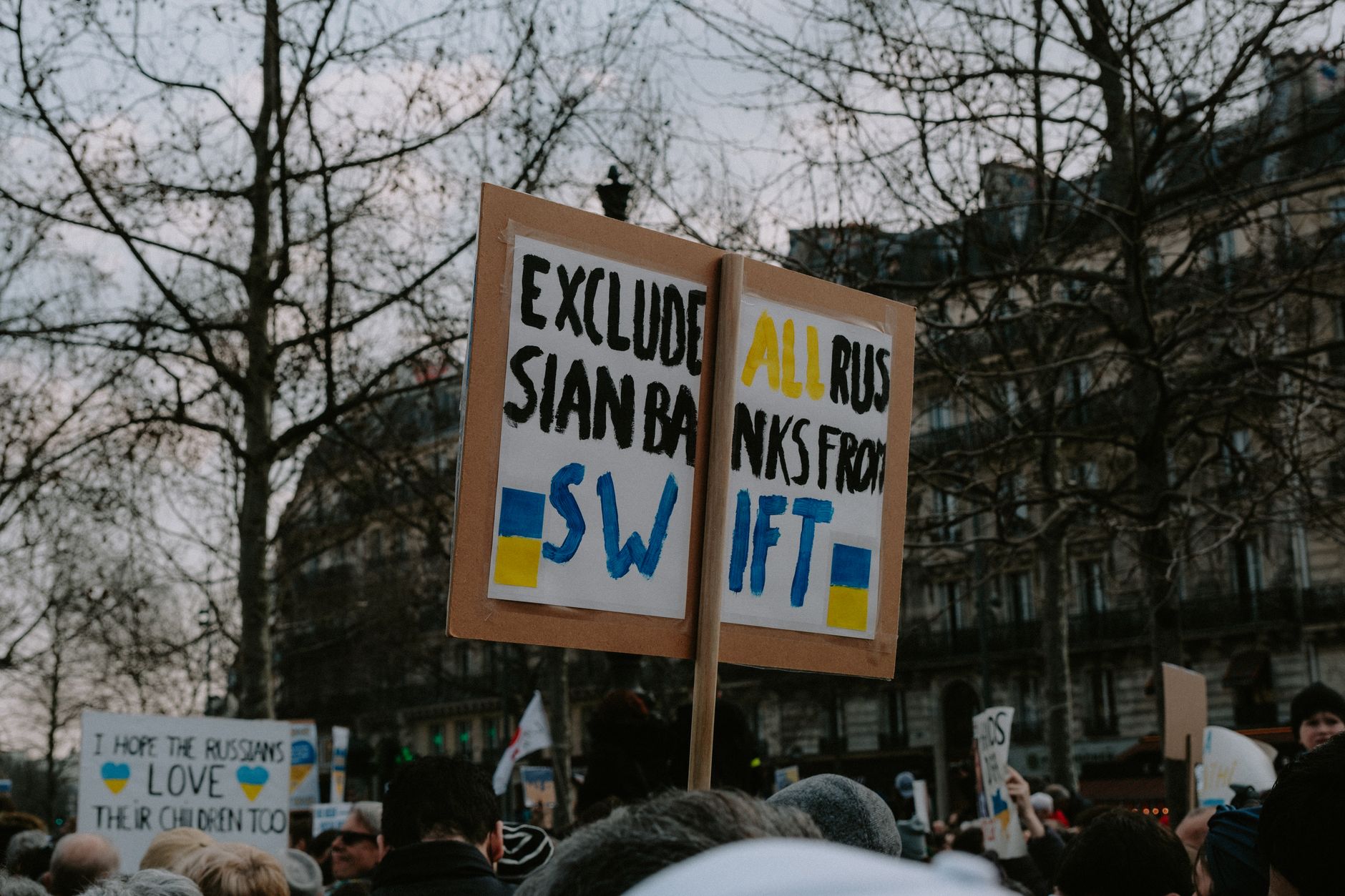


Trump waives tariffs on Russian oil buyers, significantly altering the landscape of international trade and sanctions. This decision raises questions about the implications for U.S.-Russia relations and global oil markets.
Understanding the New Tariffs
The recent decision by former President Trump to waive tariffs on Russian oil buyers has sparked a significant conversation regarding the implications of these actions. The waiving of tariffs aims to ease the financial burden on American consumers and businesses that rely on imported oil. However, this move raises several questions about the broader economic impact and geopolitical ramifications.
Understanding the new tariffs and their exemptions is crucial for evaluating their effects on various sectors. Key points to consider include:
- Consumer Prices: By waiving tariffs, the intention is to keep fuel prices stable, which may help alleviate inflation concerns.
- Domestic Oil Production: There are concerns that reduced tariffs could hinder the growth of the domestic oil industry by making foreign oil more competitive.
- International Relations: The decision may be seen as a shift in stance towards Russia amidst ongoing tensions and sanctions.
- Long-term Strategy: Analysts are debating whether this approach represents a short-term solution or a more strategic long-term policy.
In conclusion, Trump waives tariffs as part of a broader strategy, but its long-term consequences remain to be seen.
Impact on Russian Oil Buyers
The recent decision by Trump to waive tariffs on Russian oil buyers has stirred significant debate among economists and policymakers. This move aims to alleviate some financial pressure on American consumers while navigating the complexities of international sanctions.
However, the implications of this decision extend beyond immediate relief. Key impacts include:
- Market Reactions: Oil prices may stabilize in the short term, as reduced tariffs may encourage more imports, leading to increased supply.
- International Relations: Waiving these tariffs could reshape the United States’ stance on sanctions, potentially complicating relationships with European allies who have been more stringent.
- Domestic Producers: American oil producers might face increased competition from foreign imports, which could impact their profit margins and investment strategies.
- Consumer Prices: While the intent is to lower costs, the effectiveness of tariff waivers in directly reducing prices at the pump remains uncertain.
Overall, the implications of Trump’s decision to waive tariffs on Russian oil buyers will unfold over time, influencing both the global oil market and domestic energy policies.
Legal Implications of Sanctions
The recent decision by Trump to waive tariffs on Russian oil buyers has raised significant legal implications that could alter the landscape of international trade agreements. By invoking the ability to waive certain sanctions, Trump has opened a dialogue regarding the authority of the executive branch in matters of trade and foreign policy.
Experts have noted several key points regarding these legal implications:
- Executive Power: The move to waive tariffs suggests a broader interpretation of executive powers, which may lead to legal challenges as Congress evaluates its role in trade agreements.
- International Law: Waiving tariffs could conflict with existing international treaties, especially concerning sanctions imposed by the United Nations or the European Union.
- Precedent Setting: This decision could set a precedent for future administrations, potentially allowing for more unilateral actions in international trade.
- Litigation Risks: Companies affected by these waivers may pursue litigation if they believe their interests are undermined by the sudden policy shift.
As the implications of Trump’s actions unfold, it remains critical to monitor how these changes impact both domestic and international legal frameworks.
Economic Effects of Waiving Tariffs
The decision by Trump to waive tariffs on Russian oil buyers has sparked significant discussion among economists and policymakers alike. This move is expected to have profound economic effects not only on the energy market but also on global trade dynamics.
Some potential impacts include:
- Lower Energy Prices: By waiving tariffs, the administration aims to increase the supply of oil in the market, which could lead to lower prices for consumers and businesses.
- Enhanced Trade Relations: This waiver may foster better relations with countries reliant on Russian oil, potentially easing tensions in international trade.
- Domestic Energy Producers: While some sectors may benefit from reduced costs, domestic oil producers could face increased competition from imported Russian oil.
- Market Volatility: The announcement has already caused fluctuations in oil prices, reflecting uncertainty about the long-term implications of these sanctions.
Overall, the economic effects of waiving tariffs will unfold in the coming months, influencing various sectors and prompting a reassessment of current trade policies.
Political Reactions to Trump’s Decision
Political reactions to Trump’s decision to waive tariffs on Russian oil buyers have been mixed, reflecting the contentious nature of U.S. foreign policy. Critics argue that this move undermines the broader sanctions regime aimed at pressuring Russia over its actions in Ukraine.
Several lawmakers voiced their concerns, stating:
- Senator Jane Doe expressed that waiving tariffs could send the wrong message to Putin, weakening the U.S. stance against aggression.
- Representative John Smith noted that this decision might benefit American consumers in the short term but could jeopardize long-term diplomatic efforts.
- Former Ambassador to Russia highlighted the paradox of easing sanctions while the conflict continues, calling for a more cohesive strategy.
Supporters of Trump’s decision argue that waiving tariffs is a pragmatic response aimed at stabilizing global oil prices and ensuring economic stability at home. They believe that this approach balances immediate economic needs with geopolitical considerations.
The political landscape remains divided, and the long-term effects of this decision will likely influence future U.S. foreign policy and its approach to sanctions.
In a surprising move, Trump waives tariffs on certain imports to alleviate economic pressures on consumers. Experts are now analyzing how this decision, along with the new sanctions, will reshape trade dynamics.
Photo by Markus Winkler on Pexels