
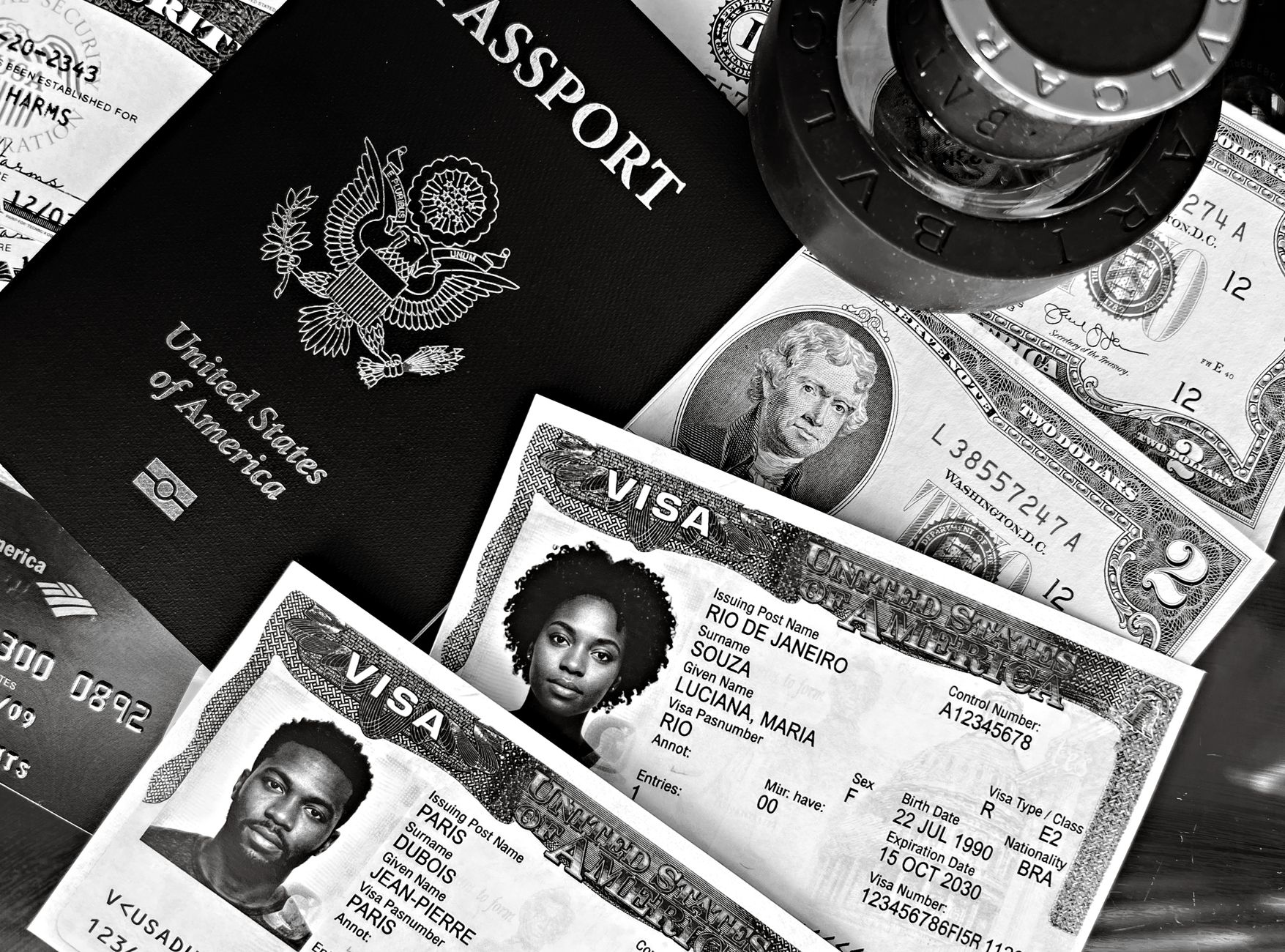
The H-1B visa row has sparked controversy, with JD Vance expressing his love for his Indian in-laws amidst the ongoing legal disputes. This situation highlights the complexities of immigration policies.
Understanding the H-1B Visa Row
The ongoing H-1B visa row has sparked a heated debate in the United States, particularly amid rising tensions between India and the U.S. over immigration policies. Recently, JD Vance, a prominent political figure, expressed his sentiments regarding the issue, stating, “I love my Indian in-laws, but…” This comment has resonated with many as it highlights the complex relationship between the two countries.
Supporters of the H-1B visa program argue that it is essential for the economy, allowing skilled workers from countries like India to fill critical roles in the tech industry. Conversely, critics claim it takes jobs away from American citizens.
As discussions continue, it remains clear that the H-1B visa row will be a significant topic in shaping future immigration reforms.
JD Vance’s Perspective on Immigration
In a recent statement, Senator JD Vance shared his thoughts on the ongoing H-1B visa row, emphasizing a personal connection to the issue. He expressed admiration for his Indian in-laws, stating, “I love my Indian in-laws, but…” This sentiment highlights the complexities surrounding immigration and the H-1B visa program, which many view as essential for filling skilled positions in the U.S. economy.
Vance pointed out that while he appreciates the contributions of skilled workers from India, there is a pressing need to address the challenges faced by American workers. He argues for a balanced approach that recognizes both the benefits of immigration and the necessity of protecting domestic job opportunities. The senator’s candid remarks reflect the ongoing debate about immigration policy and its implications for the workforce in the United States.
Impact of Visa Policies on Families
The ongoing H-1B visa row has significant implications for families, particularly those with ties to immigrant communities. Many American citizens are married to individuals from countries like India, where the H-1B visa is a vital pathway for skilled workers. This situation has led to a complex mix of emotions and concerns.
For families, the uncertainty surrounding visa policies can strain relationships. The immigration status of loved ones often dictates family stability and future plans. The challenges faced include:
- Long waiting times for visa processing
- Potential disruptions in family unity
- Economic implications for families dependent on skilled workers
As JD Vance noted, while he appreciates his Indian in-laws, the broader implications of visa policies cannot be ignored. Families continue to navigate these turbulent waters, hoping for a resolution that respects their bonds.
Legal Implications of the H-1B Visa
The ongoing H-1B visa row has raised significant legal implications that affect both employers and foreign workers. The H-1B visa program, designed to allow U.S. companies to employ foreign professionals, is currently under scrutiny for its impact on the job market and immigration policies.
Legal experts have pointed out several key issues:
- Compliance Risks: Companies face potential litigation if they fail to adhere to visa regulations.
- Renewal Challenges: The complexity of visa renewals can lead to uncertainty for families relying on these permits.
- Impact on Green Card Applications: Changes in policy can delay the path to permanent residency for many visa holders.
As public discourse continues, the need for a balanced approach to immigration and labor laws becomes increasingly evident.
Public Reactions to Vance’s Statement
Public reactions to JD Vance’s remarks regarding his Indian in-laws have been mixed, particularly in the context of the ongoing H-1B visa row. Many individuals took to social media to express their views, highlighting the complexities of immigration and family dynamics.
- Supporters of Vance appreciated his candidness, believing it opens a necessary dialogue about immigration policies.
- Critics argued that his comments oversimplified a broader issue affecting countless families reliant on the H-1B visa.
- Neutral observers noted the irony in Vance’s personal connections juxtaposed with his political stance on immigration reform.
As the H-1B visa row continues to unfold, the public’s response to Vance’s statement reflects a deeper divide over immigration and its implications for American families.
Future of India-US Visa Relations
The future of India-US visa relations remains uncertain amid the ongoing H-1B visa row. As discussions progress, several key factors will play a significant role in shaping the dynamics between the two nations.
- Policy Reforms: Both governments may need to consider reforms to address the concerns raised by stakeholders, including businesses and families affected by visa policies.
- Economic Interests: The importance of skilled labor in technology sectors underscores the need for a balanced approach that fosters growth while addressing immigration concerns.
- Cultural Ties: The personal connections, such as those highlighted by JD Vance regarding his Indian in-laws, emphasize how intertwined the two nations are beyond just economic interests.
Ultimately, the resolution of the H-1B visa row will require collaboration and understanding from both sides to ensure a mutually beneficial outcome.
Photo by DΛVΞ GΛRCIΛ on Pexels